

In one sentence: A television presenter and his production team face mounting pressure to deliver increasingly sensational investigations as their controversial predator-catching programme becomes a primetime success.
Robert Pattinson seems to be everywhere this year, with Primetime becoming the latest addition to his increasingly varied filmography. Unfortunately, the film has arrived in UK cinemas considerably later than in other countries, leaving me with the impression that much of the excitement surrounding its release has already come and gone. The trailer certainly caught my attention, promising an intriguing exploration of one of American television’s most controversial programmes and the man behind it. However, living up to the expectations created by an effective trailer and considerable online attention is no easy task. Sometimes a film simply cannot deliver what its marketing promises and that was ultimately my experience with Primetime.
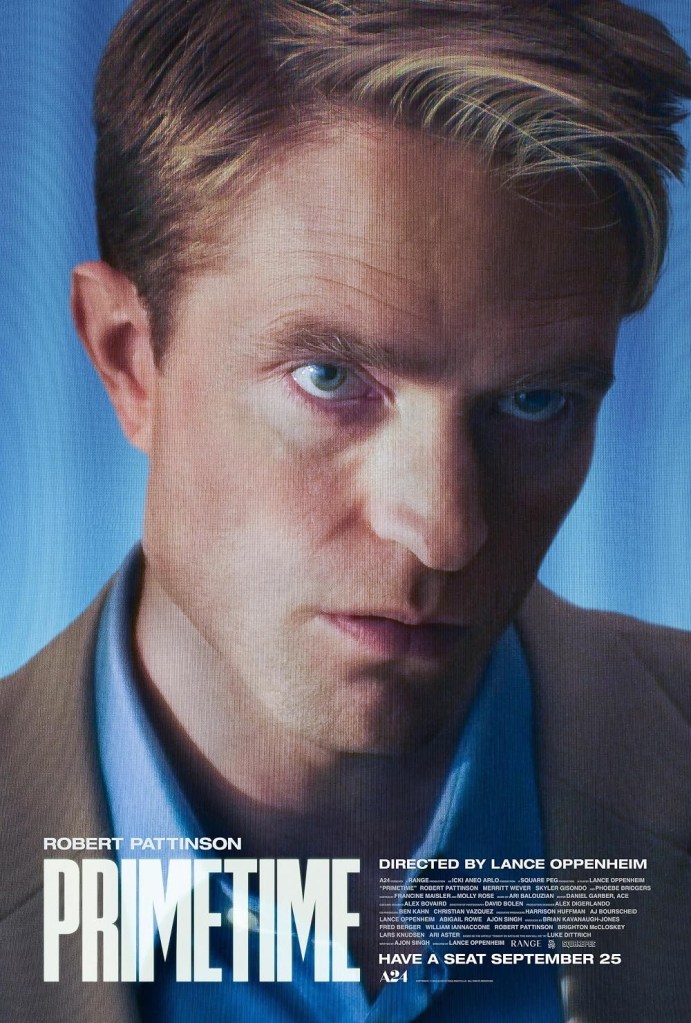
The film follows television presenter Chris Hansen (Robert Pattinson) as his investigative programme To Catch a Predator grows increasingly popular and secures a coveted primetime slot on NBC. With greater exposure comes mounting pressure to produce increasingly shocking investigations, leaving Hansen and his team desperate to maintain the attention of both the network and its audience.
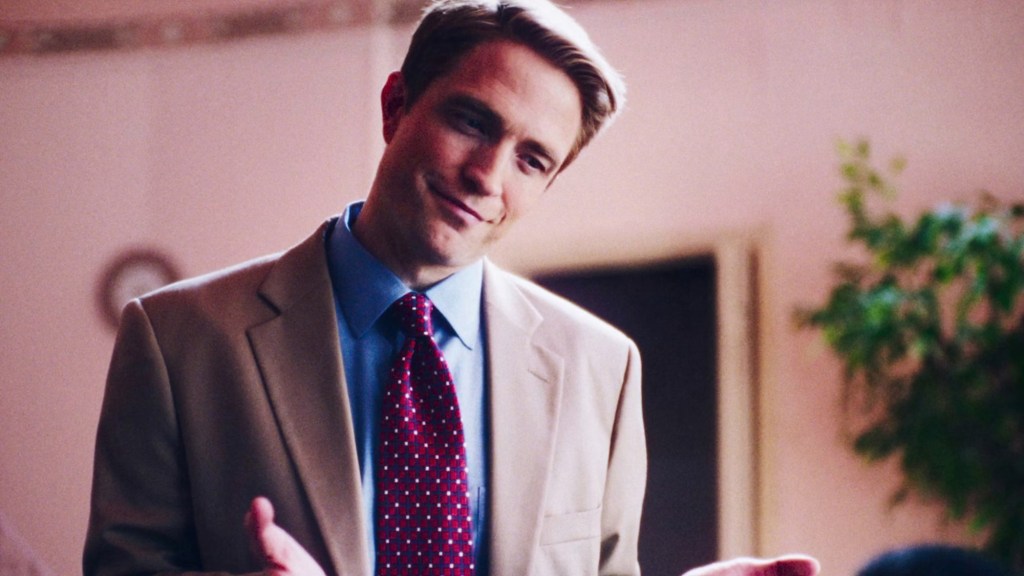
The programme, which formed part of NBC’s Dateline, involved a production team posing as underage teenagers in online conversations with adult men who expressed a sexual interest in them. These men were subsequently invited to a property equipped with hidden cameras, where they would briefly encounter a decoy posing as the teenager before being confronted by Hansen. Police officers would then arrest them after they left the property.

Pattinson also serves as a producer on the film, which attempts to explore the moral complexities of creating entertainment from such disturbing circumstances. It is a fascinating subject, raising questions about justice, exploitation, public humiliation and the responsibilities of those who turn criminal investigations into television. Unfortunately, while Primetime introduces many of these ideas, I never felt that it explored them with sufficient depth.

Director, Lance Oppenheim, adopts a highly stylised approach, employing bold colours, VHS recording effects, shadowy figures and deliberately unflattering camera angles to create an atmosphere that is frequently unsettling. There is clearly a strong artistic vision behind these decisions and I admire Oppenheim’s commitment to an unconventional aesthetic. However, I found that the film became so preoccupied with its visual presentation that its characters and underlying themes were frequently overshadowed. The result is a film that often feels more interested in how its story looks than in what it has to say. This is particularly frustrating because the subject matter offers considerable opportunities for meaningful character development. We are introduced to several members of the production team, each of whom appears to have a complicated relationship with the programme and its increasing popularity, yet few are explored in sufficient detail.
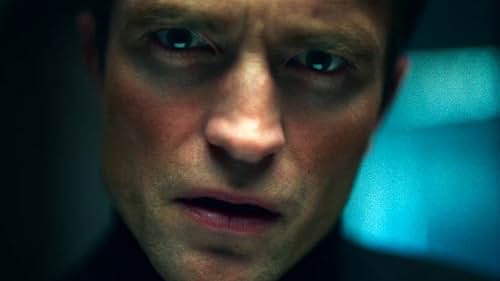
Andie Bender (Merritt Wever) considers opportunities to become a producer elsewhere, suggesting a growing uncertainty about her future with the show. Xavier (Matthew Maher) becomes increasingly obsessed with catching a particularly significant offender, the elusive ‘whale’ whose exposure could deliver the ratings success the network desires. Meanwhile, Del (Phoebe Bridgers) appears uncomfortable with the direction the programme is taking, although she receives too little screen time for this concern to develop into anything particularly substantial. These characters have the potential to offer contrasting perspectives on the programme’s moral complexities, but their stories feel underdeveloped. Most surprisingly, Chris Hansen himself remains something of an enigma, despite occupying so much of the film.
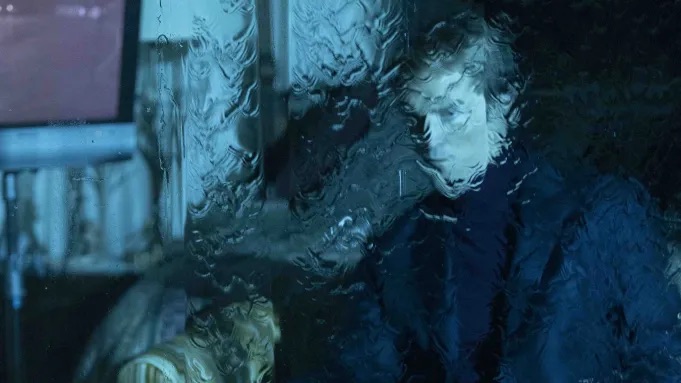
Pattinson portrays him as a man whose professional success has become inseparable from his sense of self-worth. He appears increasingly narcissistic, consumed by his public image and the popularity of his programme. One particularly uncomfortable moment sees Hansen waking his young sons in the middle of the night to watch his television appearance, seemingly more concerned with their admiration than with the disturbing and entirely age-inappropriate material they are being encouraged to view. There are also suggestions of hypocrisy in his attempts to conceal his own indiscretions while publicly exposing the wrongdoing of others. Perhaps most interestingly, Hansen appears to regard the men he confronts as monsters rather than human beings. His apparent dehumanisation of them raises an important question about the relationship between justice and spectacle. These are uncomfortable questions, and precisely the kind I hoped the film would investigate more thoroughly.
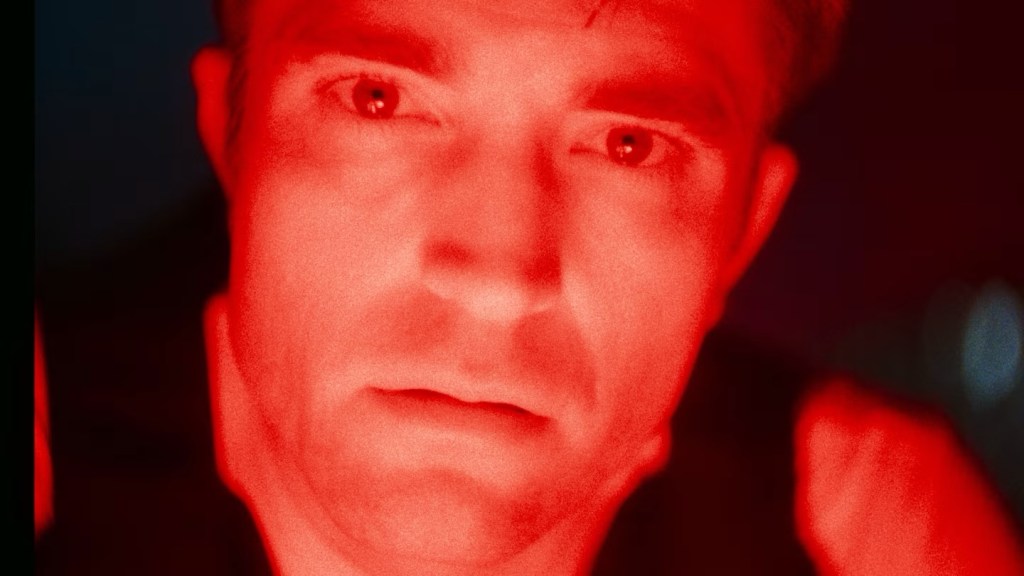
Unfortunately, Hansen’s motivations remain frustratingly elusive. We see his ambition and growing desperation, but rarely gain a deeper understanding of the man behind the television persona. This is not a criticism of Pattinson’s performance, which is excellent. He continues to demonstrate the extraordinary versatility that has made him one of the most interesting and sought after actors working today. Rather, I felt that the film’s writing and stylistic choices prevented his character from becoming as compelling as he might have been.
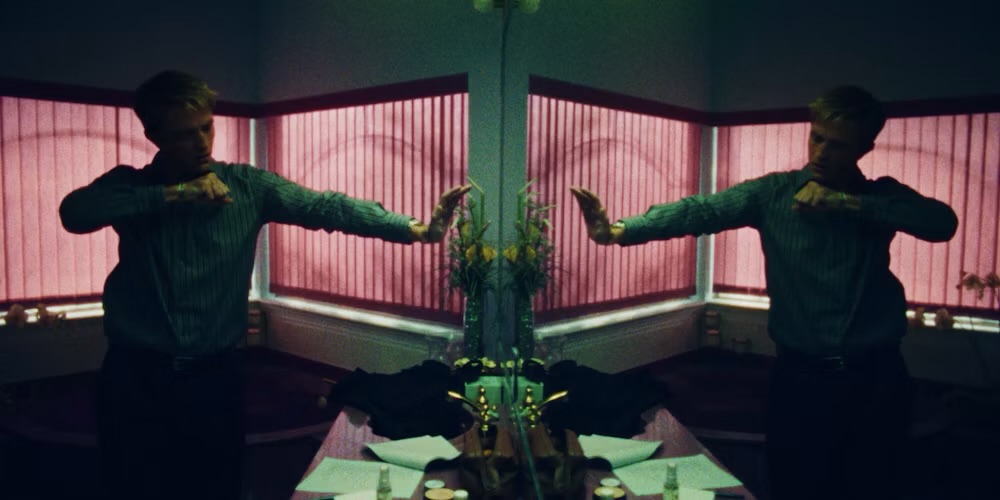
One visual effect involving Hansen was particularly effective. During a moment of intense personal and professional pressure, his mind appears to go blank, and his face gradually dissolves into darkness. It is a striking representation of somebody becoming overwhelmed, allowing the audience to experience his psychological state in a way that conventional dialogue might struggle to convey. I wish more of the film’s visual experimentation had been employed with similar restraint and purpose. The VHS effects, for example, are entirely appropriate when recreating the programme’s hidden camera footage. They convey the unsettling experience of observing events from behind the scenes and help establish the distinctive atmosphere of the original television broadcasts. However, when almost every sequence is presented with some form of visual embellishment, the techniques begin to lose their impact. I couldn’t help wondering whether a more restrained approach would have allowed both the performances and the story’s ethical questions to resonate more strongly.

The standout performance for me came from Skyler Gisondo as Dan Plum, an aspiring actor recruited to become ‘Decoy Dan’, posing as a young boy during the programme’s sting operations. Dan is arguably the film’s most fully realised character, partly because we experience much of the production’s increasingly uncomfortable reality through his eyes. Initially attracted by the opportunity to work in television and further his acting ambitions, he gradually finds himself confronting the emotional and moral implications of his role. There is an interesting tension between his desire for professional success and his growing uncertainty about the work he is undertaking. What begins as an unusual acting opportunity becomes something considerably more complicated, forcing him to question both his involvement and the effect it may have on his future. Gisondo handles this progression extremely well, making Dan sympathetic without presenting him as entirely innocent or uncomplicated. His character also provides a valuable perspective on the production itself. Unlike Hansen, whose career and public identity are already firmly established, Dan is still discovering who he wants to become and what compromises he is prepared to make along the way.
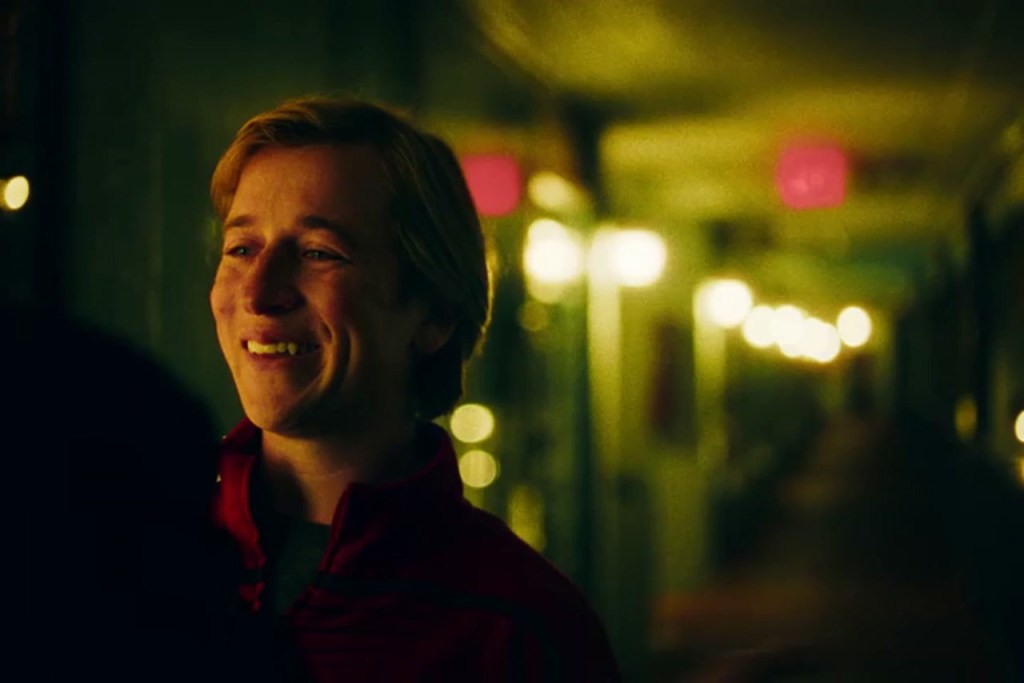
The film’s pacing is generally effective, particularly as the production team becomes increasingly desperate to secure its elusive ‘whale’. There is a growing sense of urgency as professional ambition begins to blur the boundaries of responsible investigative journalism. The pressure to deliver something more sensational than the previous episode creates an uncomfortable atmosphere, with the team seemingly caught in an escalating cycle of expectations. This progression builds towards the film’s controversial conclusion.
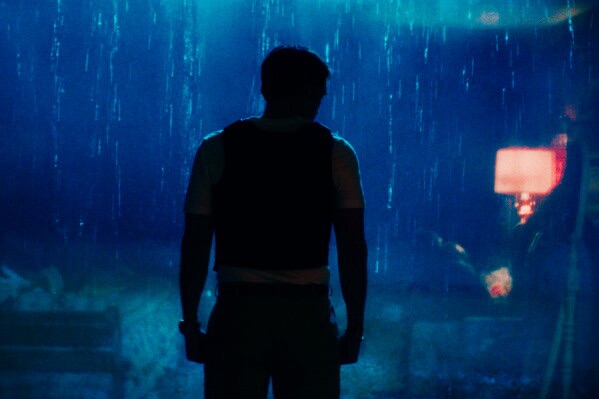
Despite my reservations, I remained engaged throughout. The film is certainly not boring, and its increasing tension provides enough momentum to sustain interest even when the character development falls short. However, engagement is not necessarily the same as enjoyment. For me, the fundamental problem lies in the relationship between the film’s style and its substance. There is an intriguing story here, supported by strong performances and genuinely uncomfortable ethical questions, but the writing never quite brings these elements together into something particularly memorable.

Primetime examines a television programme whose pursuit of increasingly sensational material threatens to overwhelm its original purpose, yet the film itself occasionally seems similarly distracted by the desire to create a spectacle. I appreciate its ambition and unconventional approach, but I couldn’t escape the feeling that a more focused exploration of the characters and their motivations would have resulted in something considerably more powerful.

Ultimately, Primetime offers an intriguing behind the scenes perspective on a controversial chapter of American television history, but it never quite delivers the depth promised by its premise. Robert Pattinson is excellent, Skyler Gisondo provides the film’s most compelling character arc and Lance Oppenheim demonstrates a distinctive visual imagination. Nevertheless, the stylisation and comparatively superficial character development prevent the film from making the impact it might otherwise have achieved. I left feeling that the film had only scratched the surface of the moral complexities it set out to explore. For a story about the pursuit of sensational television, perhaps its greatest weakness is that it becomes a little too caught up in the spectacle itself.
★★★ (3/5)

