
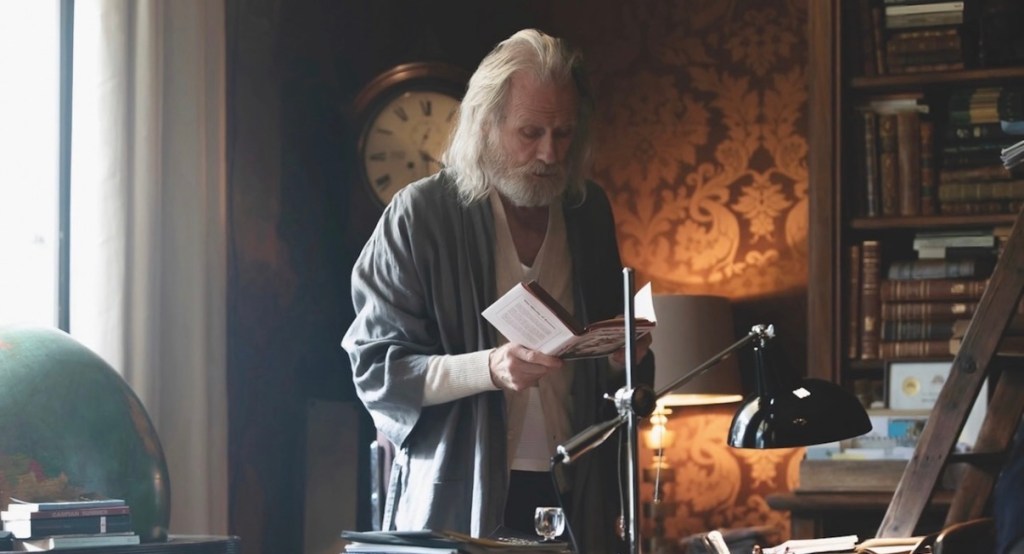
In one sentence: A reclusive literary giant summons his two estranged older sons for an unexpected reunion where a startling revelation threatens to change their understanding of the family forever.
When two of my favourite actors appear in the same film, there is very little chance of me missing it. Following particular actors’ careers can be a wonderful way of discovering movies you might otherwise never have considered, and with both George MacKay and Johnny Flynn among the cast of & Sons, I needed little convincing. I went into the film with virtually no knowledge of its premise or expectations of what it might offer and found myself pleasantly surprised. More importantly, it has had me thinking for days afterwards, which, in my opinion, is the sign of a good movie.
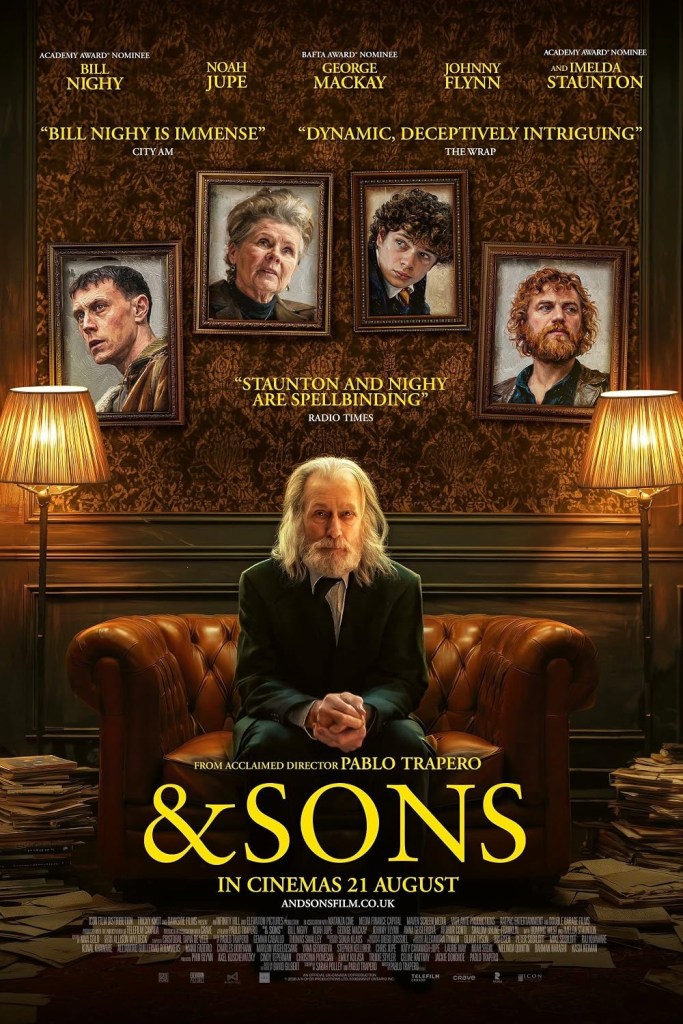
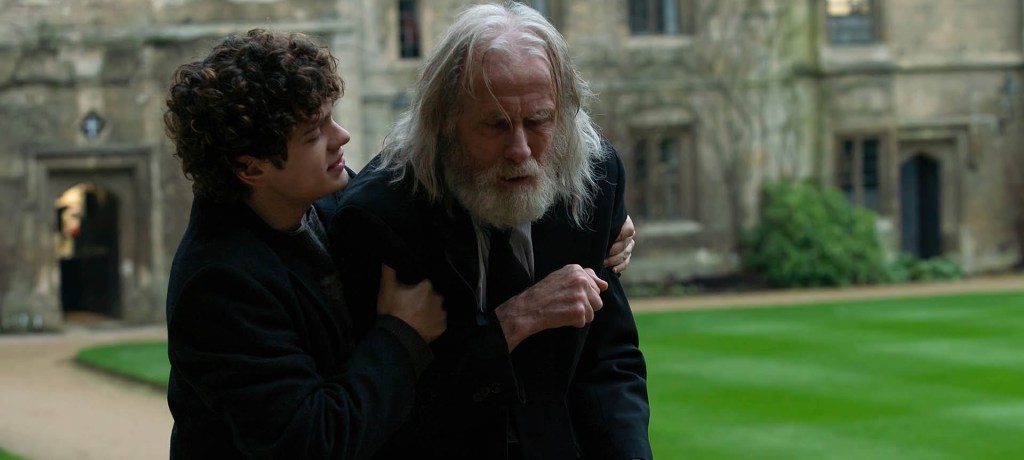
Based on the novel by David Gilbert, the film follows Andrew Dyer (Bill Nighy), a highly esteemed writer turned recluse who hasn’t produced anything for years and has become convinced that he is dying. Despite having no medical evidence to support his belief, Andrew decides that his remaining time is limited and summons his two estranged older sons, Richard (Johnny Flynn) and Jamie (George MacKay), to visit him. Andrew lives with his youngest son, Andy (Noah Jupe), and housekeeper Gerda (Anna Geislerová). His alcoholism, emotional detachment and increasingly erratic behaviour have made the household a difficult place to inhabit, particularly for Andy, who continues to suffer the consequences of his father’s self-destructive lifestyle. With his older sons brought back into his life, Andrew prepares to disclose something that will fundamentally change their understanding of the family. Crucially, however, this revelation is reserved for Richard and Jamie, while Andy remains unaware of what his father has chosen to share with his brothers.
Given the importance of this revelation, I have no intention of disclosing what it is. In fact, I would strongly recommend approaching & Sons knowing as little about its plot as possible. What I will say is that the film introduces an idea more commonly associated with an entirely different genre, yet manages to present it as a surprisingly plausible familial dilemma. It is an unexpected creative decision that leaves both the characters and the audience considering the ethics of Andrew’s actions. I certainly didn’t anticipate it and found the questions it raised genuinely thought-provoking. For a film to surprise its audience while simultaneously introducing a meaningful moral conundrum is no small achievement. Much of its effectiveness comes from the way & Sons initially establishes itself as a relatively conventional family drama, making the subsequent change in direction all the more unexpected.
The film’s style is gentle and its pacing similarly measured. There is little urgency to the storytelling, and I suspect some audiences will find it rather slow. Quieter dramas can be particularly dependent on finding their viewers in the right frame of mind, and although I remained engaged throughout, I can understand how others might struggle with the deliberate approach. We wait close to an hour for the central revelation, meaning the audience has already invested considerable time in the characters and their relationships before the story changes direction. Fortunately, the second half gains some momentum, although it never becomes particularly fast-paced. This is an introspective film, far more interested in the emotional and ethical consequences of its events.
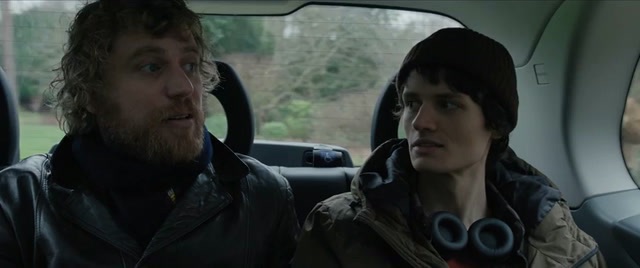
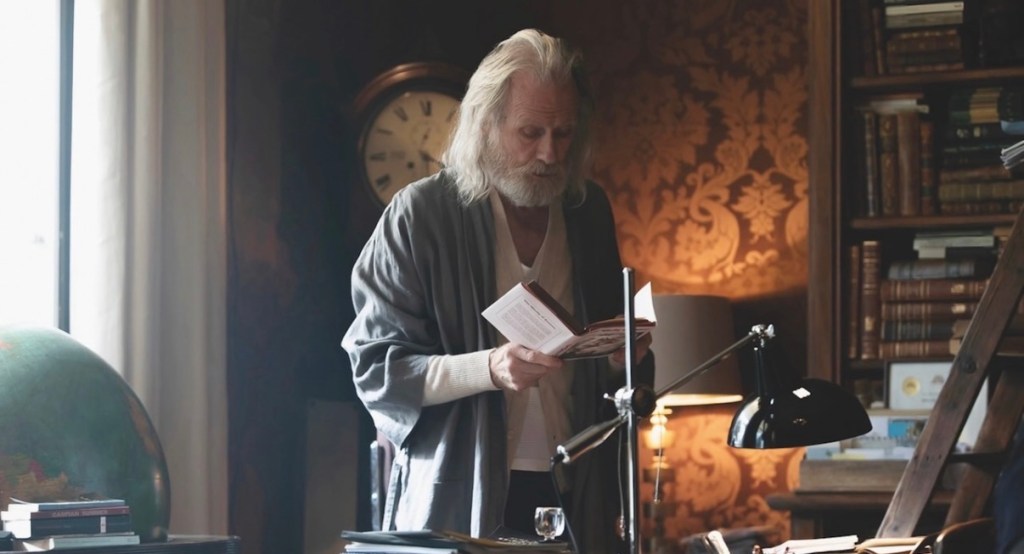
The cinematography complements this restrained approach. Its generally muted colour palette and cool lighting create an atmosphere that feels emotionally distant, perhaps reflecting the coldness that has developed between Andrew and his children. Each son has become alienated from his father in a different way.
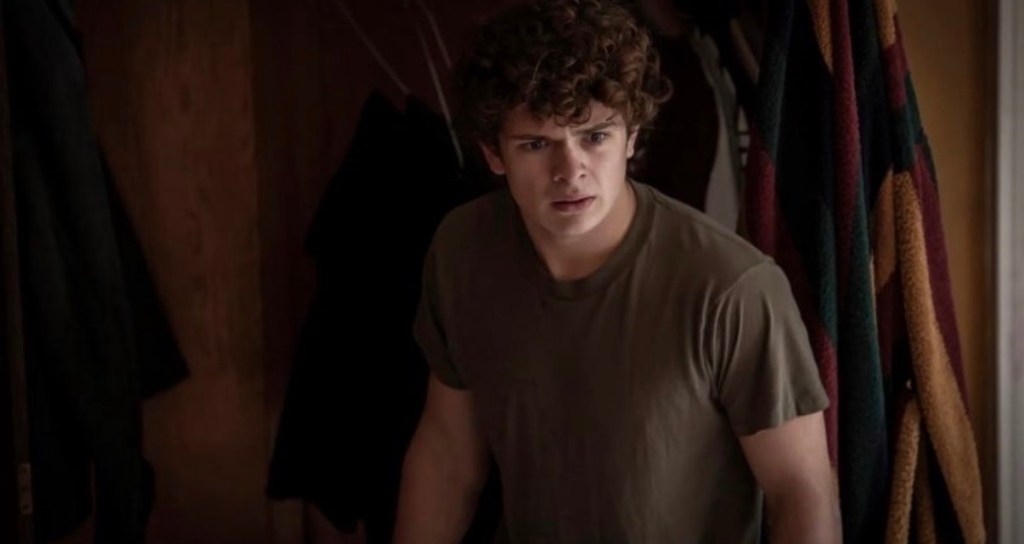
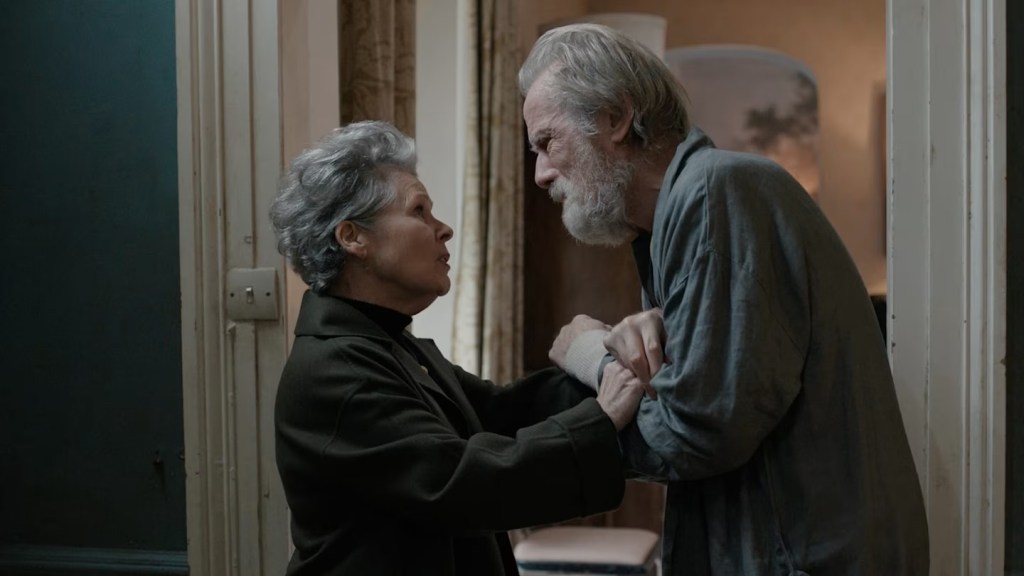
The performances are strong throughout, with Bill Nighy delivering another compelling dramatic turn as Andrew. He portrays a deeply complicated man whose extraordinary professional success sits in stark contrast to the damage he has caused within his personal life. Andrew is celebrated by admirers who regard him as a literary genius, yet he struggles to maintain meaningful relationships with his own children and is divorced from the mother of this two eldest sons (Imelda Staunton). There is something particularly interesting about this contrast between public admiration and private failure. Andrew has created work that resonates with countless strangers, yet seems incapable of extending the same understanding or emotional generosity to the people closest to him. Nighy captures both the arrogance and vulnerability of a man whose accomplishments have done little to protect him from his own destructive tendencies.
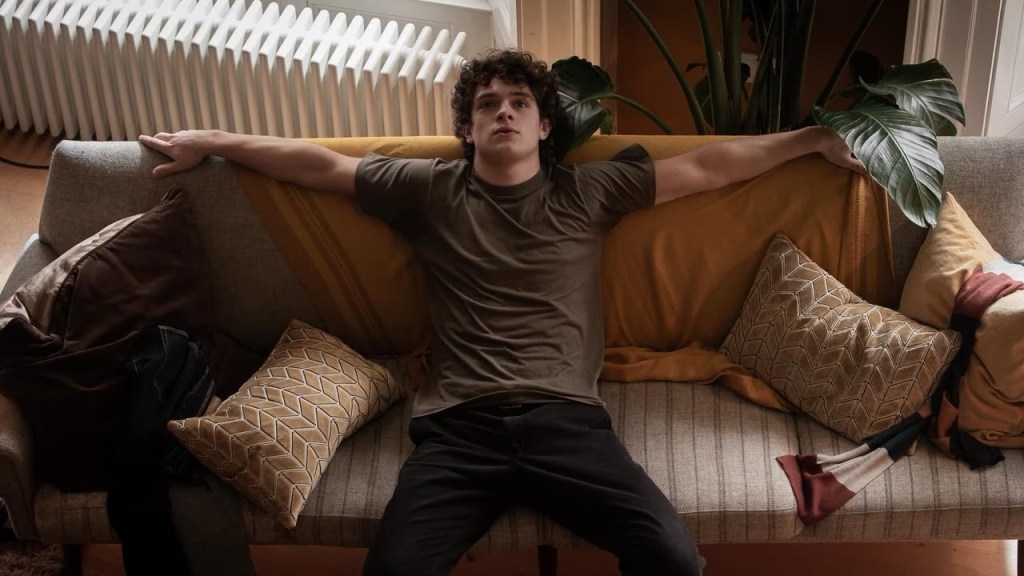
Noah Jupe is equally effective as Andy, whose privileged upbringing conceals a far more difficult existence. Living in the shadow of his father’s greatness, he fears that he may never achieve anything comparable, while simultaneously struggling with the emotional distance between them. His circumstances demonstrate that material comfort and proximity to success are hardly guarantees of happiness or security.
George MacKay and Johnny Flynn play the older brothers, Jamie and Richard, whose lives have taken different paths but remain similarly influenced by their father’s legacy. Jamie is an aspiring documentary filmmaker who records much of what happens during the family reunion, seemingly more comfortable observing events through a camera than directly participating in them. Richard, meanwhile, is a recovering alcoholic who seems to be attempting to establish success on his own terms. What makes their dynamic interesting is that neither man appears entirely capable of forging an identity independent of Andrew. Their father’s reputation provides both opportunities and obstacles and the brothers respond to this inheritance in contrasting ways. Richard is arguably the more compelling of the two characters, benefiting from some particularly substantial scenes with his father. Flynn handles these exchanges well, conveying the complicated mixture of resentment, frustration and unresolved emotion that defines their relationship. Jamie, unfortunately, feels comparatively underdeveloped. Although MacKay is reliably good, I would have liked his character to contribute more to the story. Nevertheless, the brothers complement and contrast one another effectively, offering different perspectives on what it means to grow up beneath the considerable shadow of a successful parent.
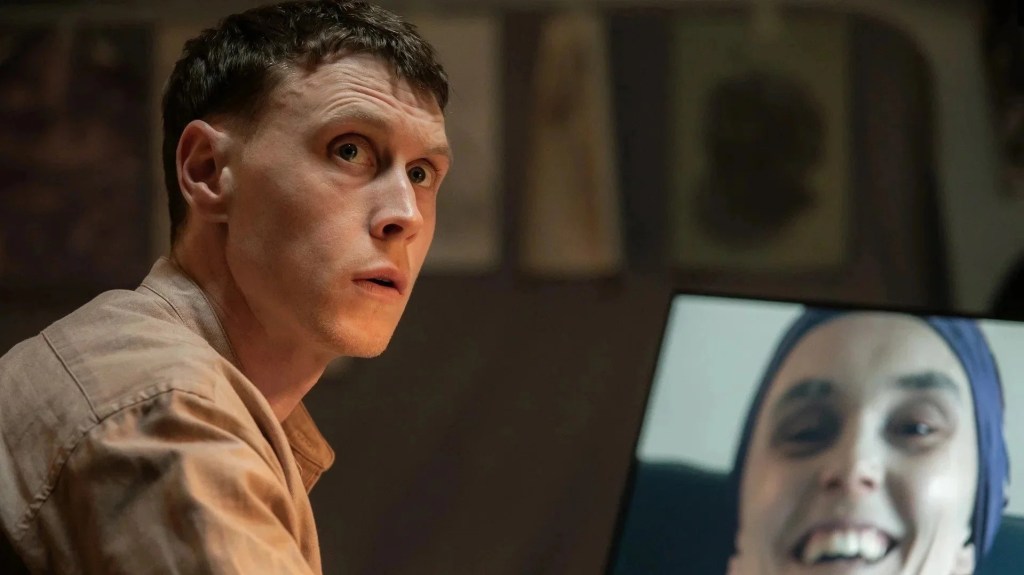
The familiar frustrations of a dysfunctional family are present throughout & Sons, but Andrew’s literary reputation and the central revelation elevate them beyond the usual domestic drama. Nepotism is one particularly interesting theme. Being the child of somebody extraordinarily successful can provide enormous opportunities, but it can also create expectations that are almost impossible to escape. There is a persistent question of whether Andrew’s sons will ever be recognised for their own accomplishments or remain defined by their relationship to him. A thread concerning plagiarism adds another layer to this discussion, further complicating the already strained relationship between Andrew and Richard. Honesty, or rather the absence of it, is equally important. Much of the family’s dysfunction has been compounded by secrets, assumptions and an inability to communicate openly. The film demonstrates how silence can allow resentment to grow and how conversations that should have happened years earlier can become considerably more difficult with time.
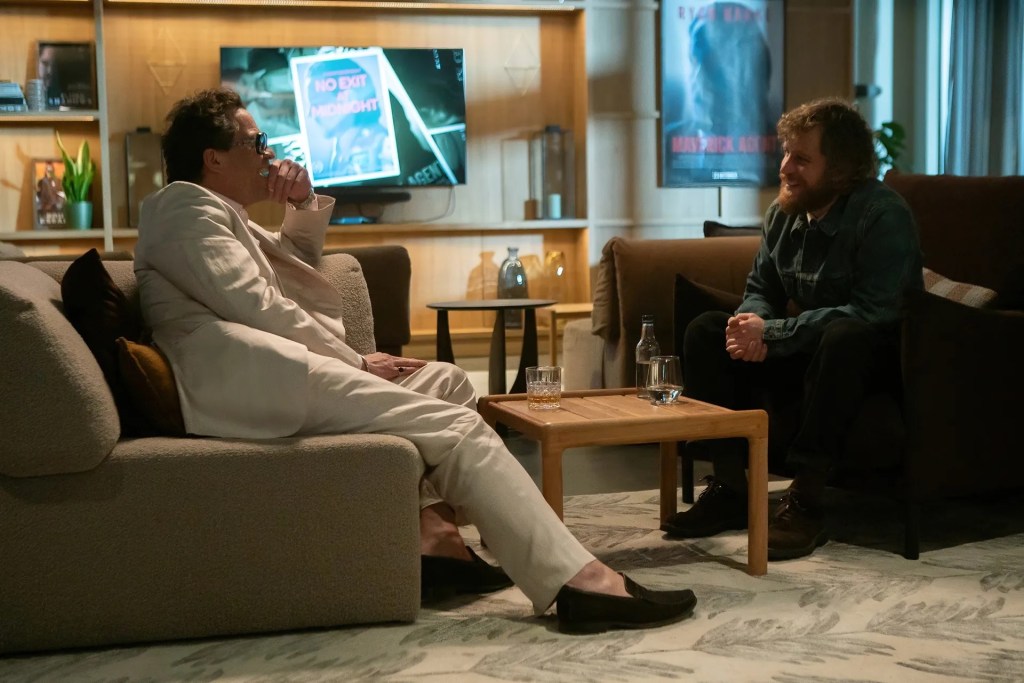
Ultimately, & Sons is a thoughtful and surprisingly unconventional family drama. Its deliberate pacing will not appeal to everyone, and I would have welcomed greater development for some of its characters, but the central revelation and the ethical questions it raises make the investment worthwhile. With an accomplished cast, understated cinematography and a particularly strong performance from Bill Nighy, the film offers an impressive showcase of British acting. More importantly, it succeeds in introducing an idea that might ordinarily belong to another genre and making it feel like a deeply personal, recognisably human problem.
★★★½ (3.5/5)

