
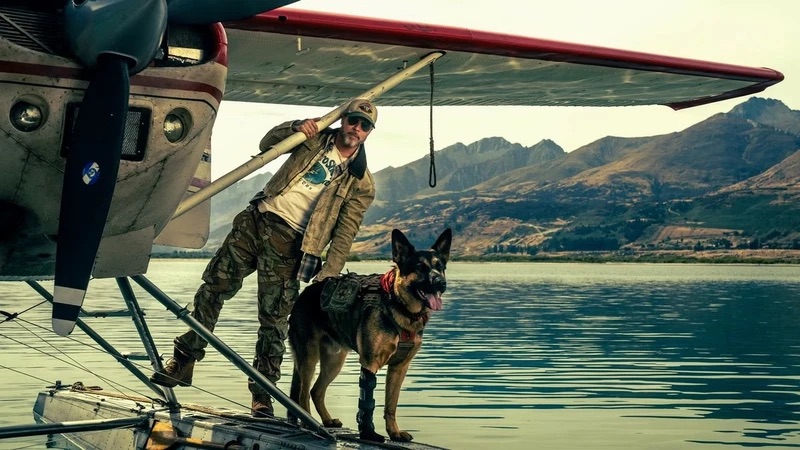
In one sentence: Stranded deep in the Alaskan wilderness after a plane crash, a former Special Forces Officer and his military dog must rely on each other to make the long journey home.
There is something extraordinary about the bond between humans and dogs. Perhaps that is why films centred on this relationship can feel disproportionately emotional, with viewers often concerned about whether the dog survives. Cinema has explored that bond many times, but few films capture its loyalty and intensity quite as effectively as Heart of the Beast. As someone lucky enough to have what I would consider my soul dog, this film spoke to me deeply. It understands that, for many of us, a dog isn’t simply a pet. They are family.
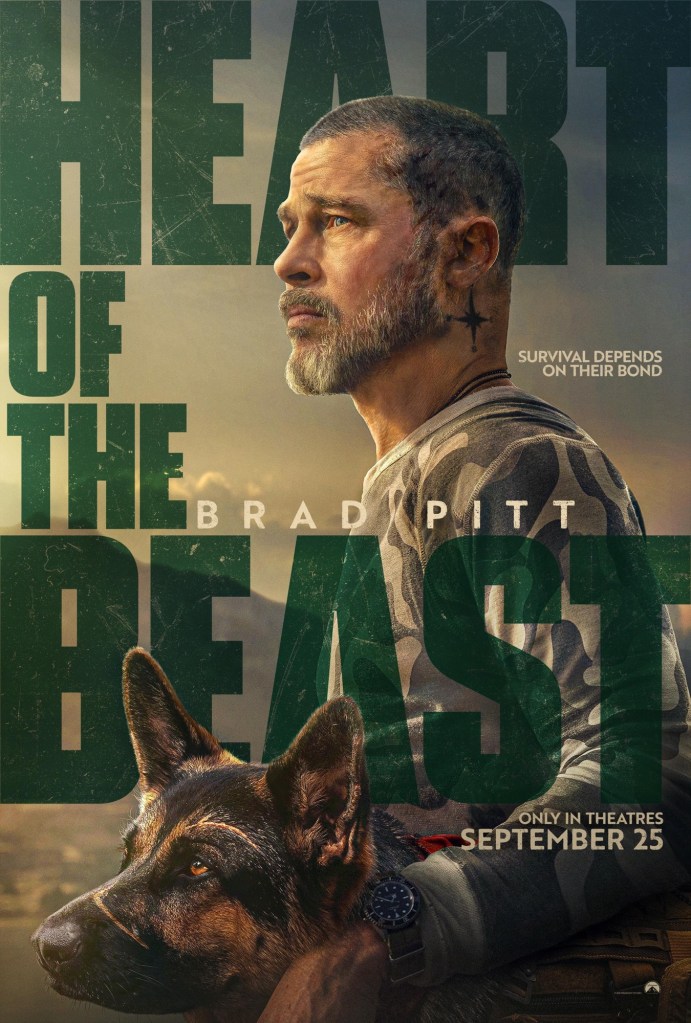
The film follows retired Special Forces Officer, James Belmont (Brad Pitt) and his former military dog Odin, a beautiful German Shepherd carrying visible and invisible reminders of war. Scars cross his face, one leg is prosthetic and his titanium teeth hint at what he has endured, while PTSD-fuelled nightmares reveal wounds that cannot be seen. Together, James and Odin have retreated to a quieter existence, travelling through Alaska, fishing, camping and attempting to find some peace after years of violence. When worsening weather forces them to fly elsewhere, James suffers a heart attack and their small plane crashes deep in the wilderness, 58 miles from the nearest road. Injured and isolated, man and dog must once again work as a team if either of them is going to make it home.
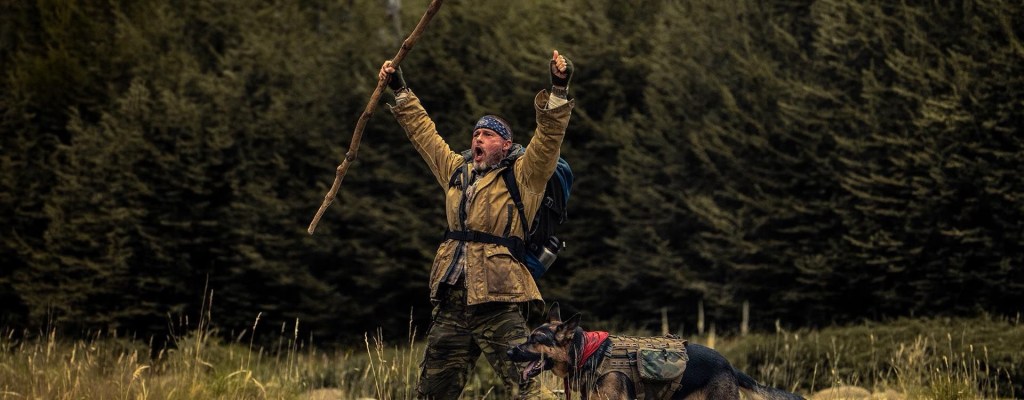
For much of the film there are only two principal characters, creating an obvious challenge when only one of them can speak. Yet surprisingly little feels absent. Brad Pitt and Uber, the primary dog playing Odin, create such a convincing relationship that their physical communication frequently says more than dialogue could. Pitt is particularly strong physically. There is an ease to the way James interacts with Odin that makes their history together immediately believable. His affection never feels performative; he touches him, watches him and communicates with him like someone completely accustomed to having this animal beside him. Crucially, James never treats Odin as disposable. He is his family and his partner and their survival depends upon each of them protecting the other.
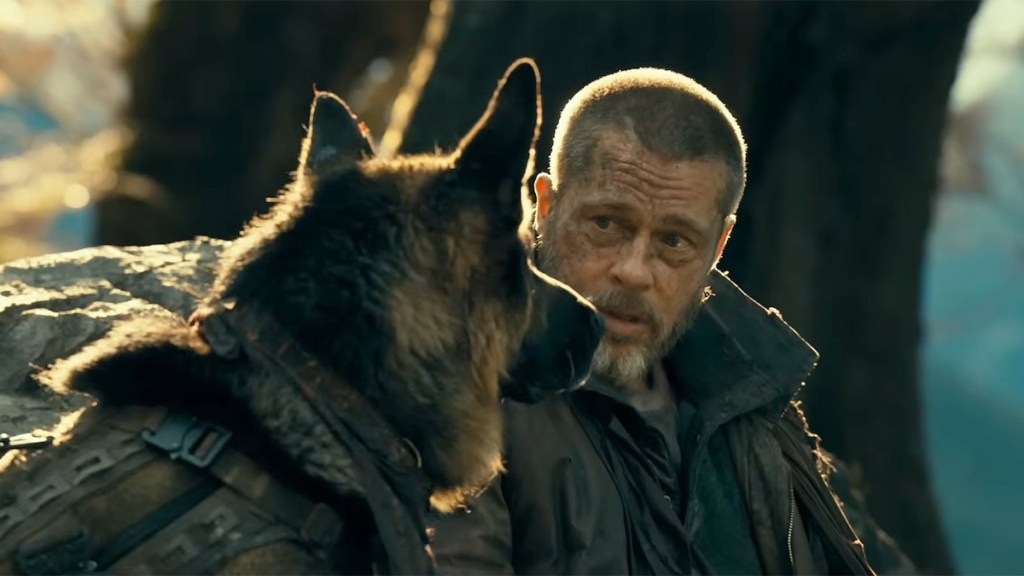
Uber is extraordinary as Odin. Alongside doubles Seeka, Ryder and Honda, he gives the film much of its emotional power. His expressions, movements and methods of communicating feel remarkably natural. Animal performances can occasionally betray the presence of a trainer just outside the frame, but I rarely felt that here. Odin doesn’t appear to be waiting for instructions; he simply feels like Odin. Uber’s reported background in mountain rescue makes him particularly well suited to a role that requires such confidence in challenging terrain.
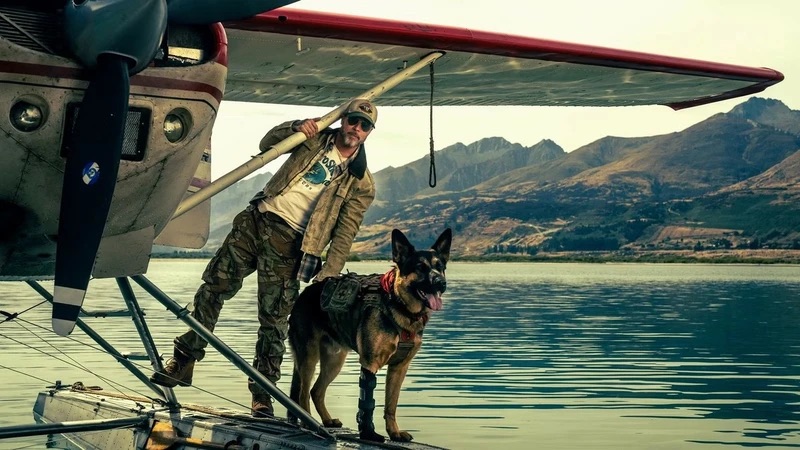
Alaska provides a spectacular but unforgiving backdrop. Mountains, forests, freezing water, dangerous wildlife and rapidly changing weather make the landscape simultaneously beautiful and terrifying. The aurora borealis sequence captures that contradiction particularly well, finding extraordinary beauty in a place that could kill them. The wilderness continually presents James and Odin with new obstacles, but their previous combat and working experience means their ability to respond feels earned. Watching them navigate these situations also prompted the unavoidable realisation that my poodle and I would be considerably less accomplished wilderness survivalists. The loyalty would absolutely be there but the practical skills would leave something to be desired.
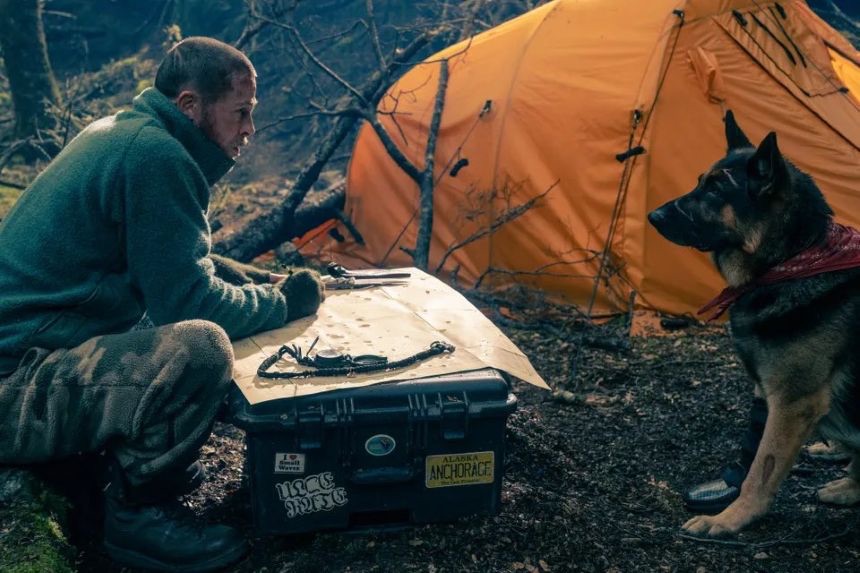
Their dependence on one another is beautiful. Both need the other and, perhaps more importantly, both want to remain beside the other. There is a purity to their relationship that gives even the film’s most conventional survival sequences an emotional weight beyond simply wondering whether they will make it home.
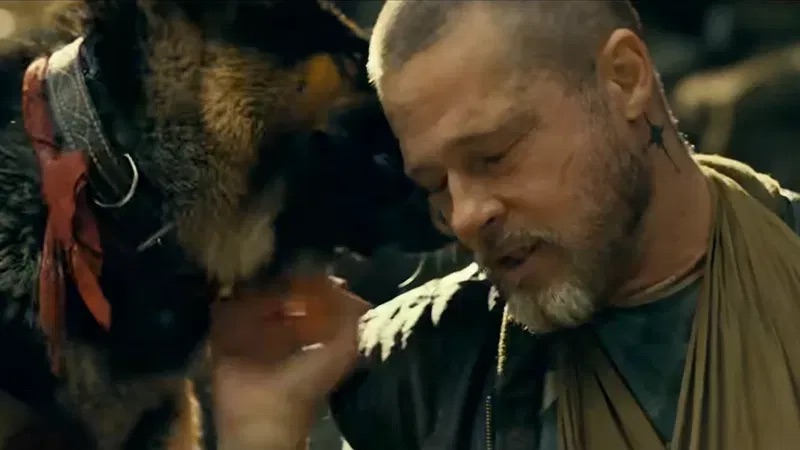
The effects are generally convincing too. Inevitably, CGI is required where using real animals would be dangerous or unethical, and there are moments where it can be detected, but rarely enough to pull me out of the story. The decision to centre the film around a real dog makes an enormous difference. I really enjoyed The Call of the Wild, but its digitally created dog inevitably creates a degree of separation between the audience and the animal. Heart of the Beast doesn’t have this barrier. Odin feels physically present alongside James, making every moment of affection, fear and danger considerably more powerful.
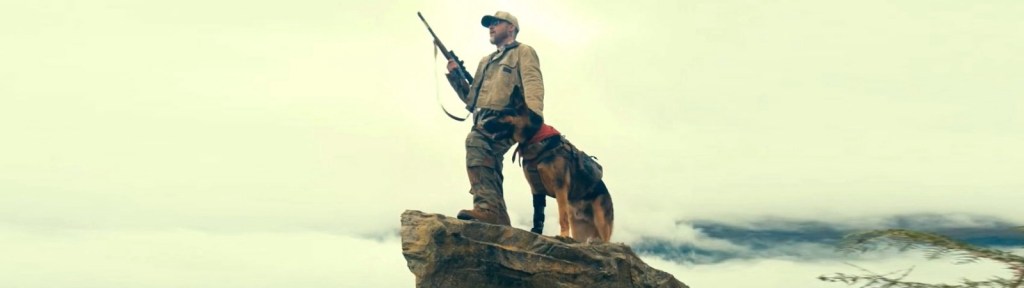
The pacing is equally assured. The film moves confidently without rushing and never overstays its welcome. James’ orienteering gives their journey a tangible sense of progress as he tells Odin how many miles they have covered and how far remains. 58 miles gradually becomes something the audience can measure alongside them. The wilderness inevitably throws obstacle after obstacle into their path, but the journey rarely feels like a mechanical succession of survival set pieces. Instead, the film moves between hope and despair, allowing every mile gained to feel significant and every setback genuinely threatening.
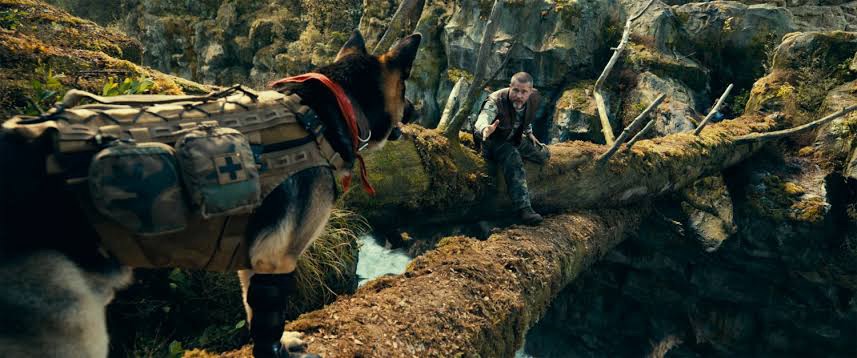
One of the film’s most thoughtful elements is its treatment of PTSD. War films understandably spend considerable time exploring the psychological scars carried home by soldiers, but considerably less attention is given to the animals who serve alongside them. Heart of the Beast recognises that Odin is a veteran too. His nightmares and fear remind us that animals do not emerge from conflict untouched simply because they cannot explain what they experienced. In some ways, that makes his trauma even more affecting. Odin did not understand the politics or purpose of the conflict into which he was taken; he simply trusted the person beside him and did what he had been trained to do. There is also something incredibly moving about the trust Odin continues to place in people. Despite everything he has experienced at the hands of humans, his bond with James remains absolute. He has effectively seen both the worst and the best of mankind. Humans exposed him to violence and left him physically and psychologically scarred, but James offers him safety, affection and a place to belong. This to me is one of the most remarkable things about dogs. Their capacity to trust, love and remain loyal can endure even after humans have given them every reason not to.
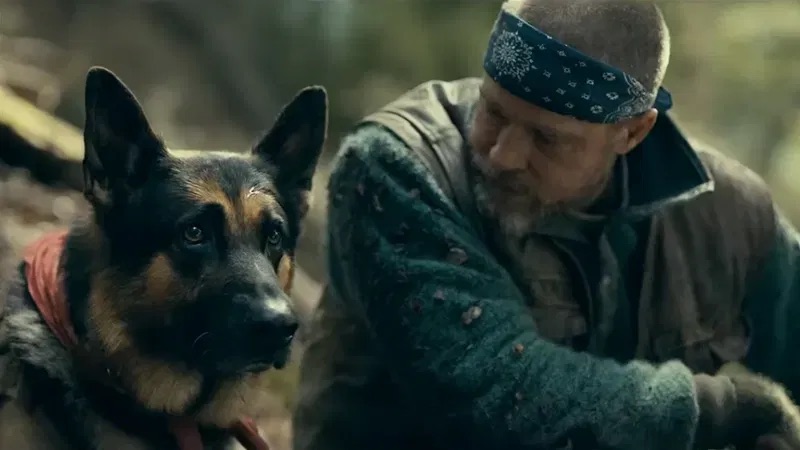
James and Odin are therefore not simply owner and dog. They are two survivors of the same world, each carrying scars from it, who have found peace in each other. Their dependence is mutual and when their survival is threatened, the idea of leaving the other behind never feels like an option.
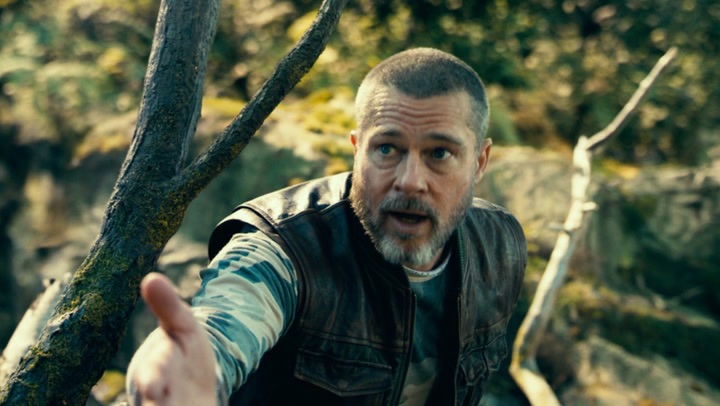
Ultimately, The Heart of the Beast is a survival story, but survival isn’t really what makes it special. Its greatest strength is the relationship at its centre. Against the extraordinary beauty and brutality of the Alaskan wilderness, James and Odin continue to protect one another long after their war experience has ended. Brad Pitt gives an impressively physical and understated performance and Uber and the dogs sharing the role of Odin provide the film with its heart.
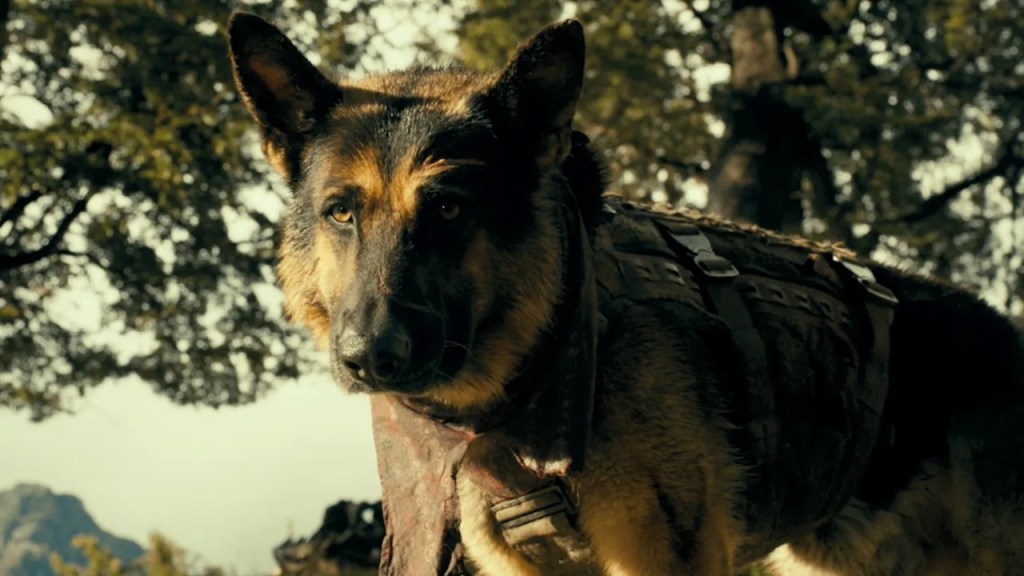
By the end, tears were streaming down my face. I love going to the cinema, but on this occasion I was particularly glad to get home, see my own dog and make sure he knew exactly how much I love him. Perhaps that is the greatest compliment I can give Heart of the Beast, it understands why the relationship between a person and their dog can mean quite so much.
★★★★½ (4.5 stars)
 Rhiann’s Reels