
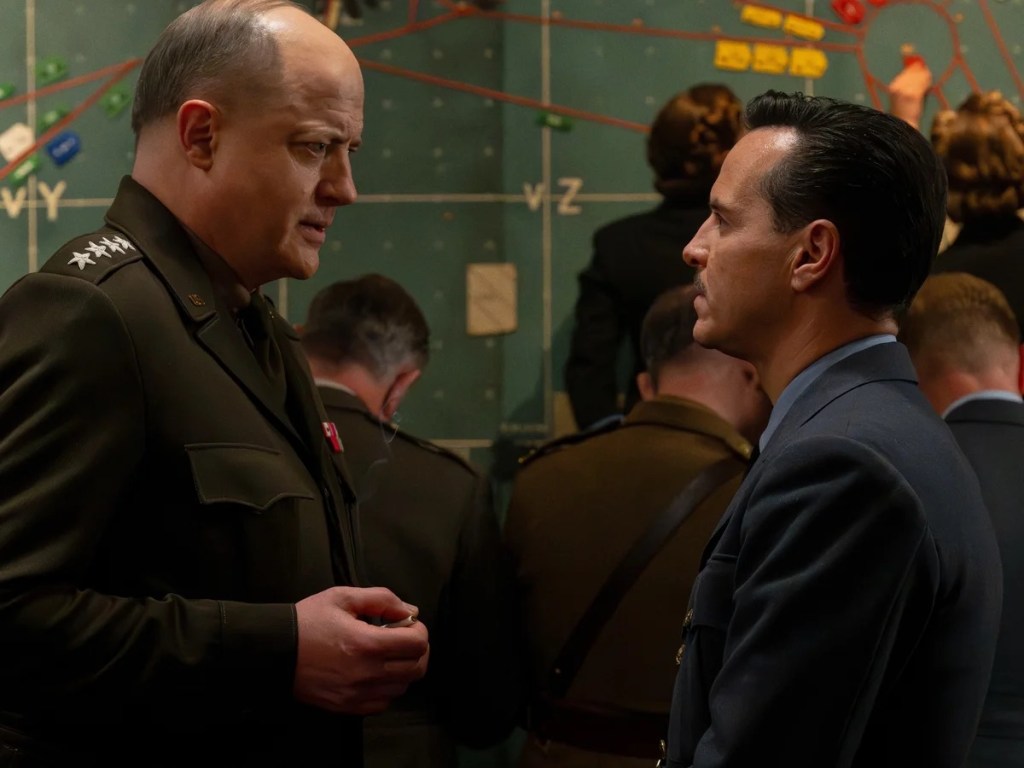
In one sentence: In the days before D-Day, Meteorologist, James Stagg, faces the challenging task of predicting the weather that could determine the success or failure of the Allied invasion.
There have been countless films about the Second World War, telling stories of extraordinary bravery, sacrifice, intellect and collaboration. With so many already, it would be easy to wonder whether there are any perspectives left to explore. Yet new stories continue to emerge that remind us of the extraordinary number of people whose actions contributed to history. Pressure is one of them, taking one of the more familiar events of the war and approaching it from a fascinatingly unfamiliar direction.
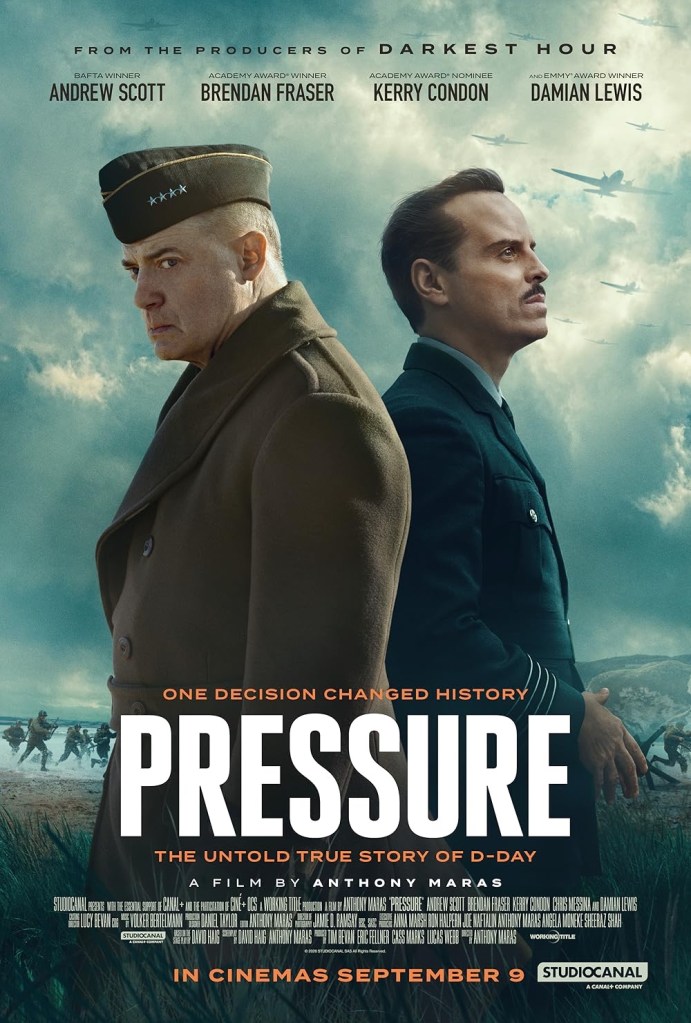
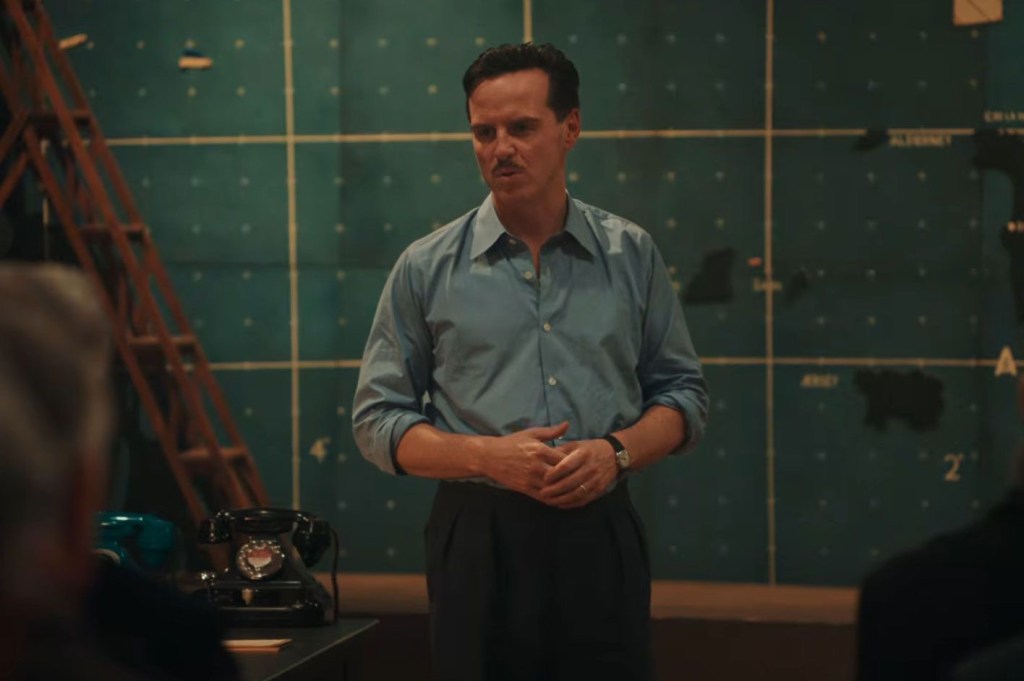
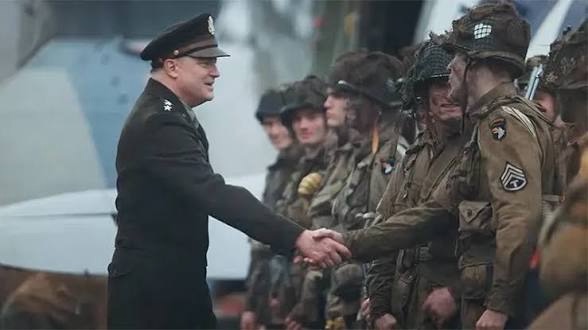
The film follows James Stagg (Andrew Scott), an acclaimed Meteorologist tasked with leading the forecasting operation ahead of D-Day. Weather conditions are critical to the invasion’s success, but Dwight Eisenhower (Brendan Fraser) wants something meteorology cannot easily provide and that is certainty. With only days remaining before the planned launch on 5th June 1944, Stagg clashes with American meteorologist Irving Krick (Chris Messina) over their differing approaches to forecasting. The stakes could hardly be higher, particularly in the shadow of Exercise Tiger, a disastrous rehearsal for the invasion that resulted in the deaths of hundreds of American soldiers.
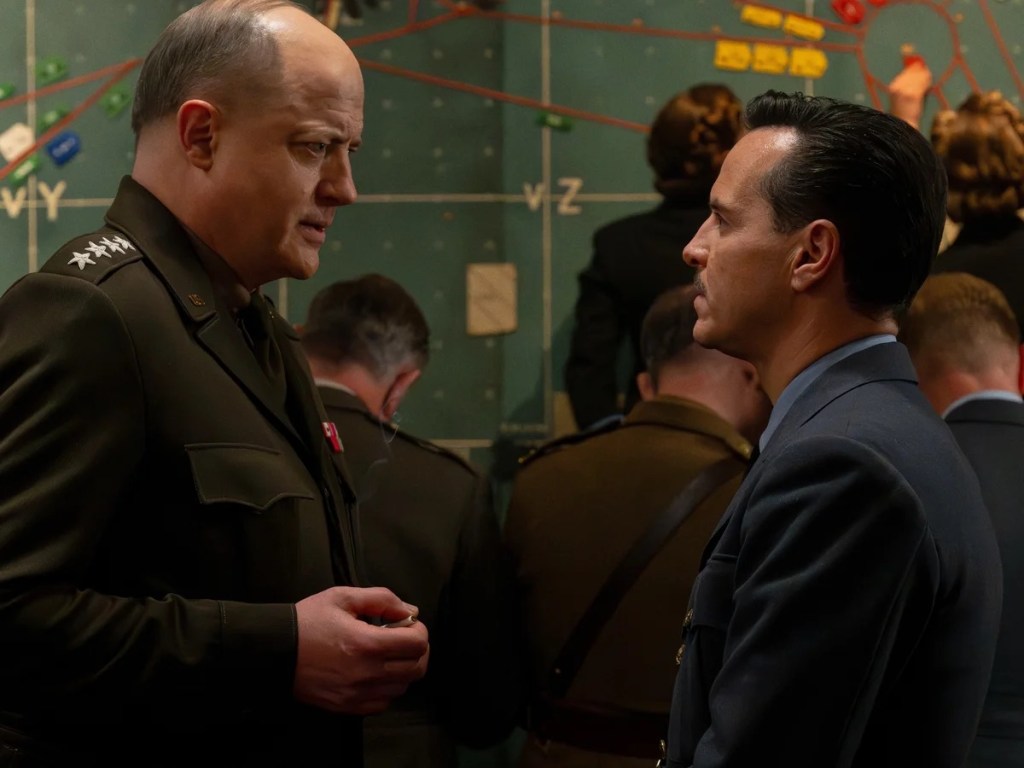
As its title suggests, pressure exists in almost every element of the film. There is atmospheric pressure, professional pressure and the immense pressure of knowing that thousands of lives may depend upon a forecast. It exists in the increasingly fraught relationships between characters, in the score and in the relentless countdown towards the invasion. It even follows Stagg into his personal life, having left his heavily pregnant wife at home while being forbidden from contacting her or anyone else on the outside.
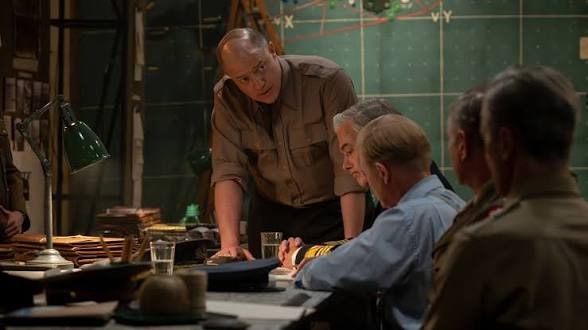
What makes this build-up of intensity particularly impressive is that the outcome is already known. D-Day is not a fictional mission whose success remains uncertain to the audience. We know what happened, but Pressure still manages to create genuine tension over whether it will happen. Like The Imitation Game and other historical dramas of its kind, the destination may be familiar, but an effective screenplay makes the journey there compelling.
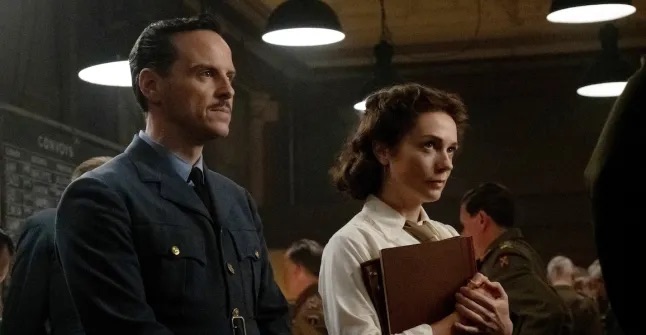
The meteorological perspective is what makes the film particularly interesting. We aren’t following soldiers on the frontline for much of the story, but the work taking place inside forecasting rooms is no less consequential. Tiny changes in pressure, cloud and wind become matters of life and death. The film’s advertising describes this as the ‘untold story of D-Day’ and it captures what makes Pressure feel distinctive. It takes an event familiar to almost everyone and reveals an element of it many may never have even considered.
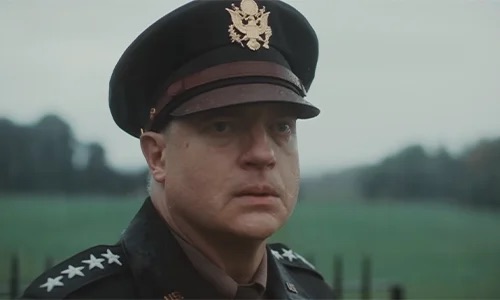
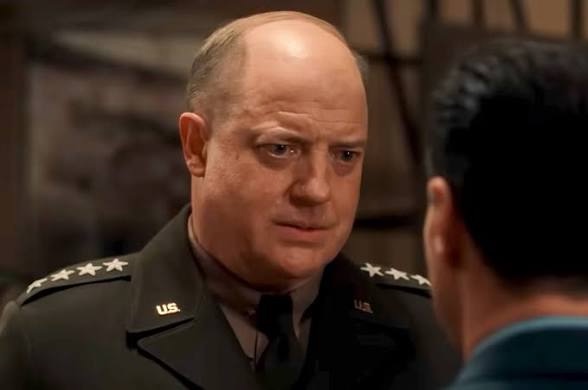
The film is carried by an excellent ensemble, led by Andrew Scott. His portrayal of Stagg is remarkably restrained, capturing a man who appears quietly confident while carrying a level of responsibility that could easily break him. Scott is particularly effective in the smallest expressions, allowing anxiety and uncertainty to flicker across his face without undermining Stagg’s professionalism. It is exactly the kind of performance required for a film where so much tension exists beneath the surface. Brendan Fraser is excellent as Eisenhower. Haunted by the failure of Exercise Tiger and carrying an even greater responsibility as D-Day approaches, he can be demanding, intimidating and ruthless in his pursuit of certainty, while still revealing the human being underneath the authority. Fraser isn’t afraid to raise his voice and dominate a room, but convincingly performs moments of self-doubt and worry.
Chris Messina’s assured Irving Krick provides an effective contrast to Stagg, particularly through their conflicting approaches to forecasting. Kerry Condon brings welcome humanity as Kay Summersby and frequently finds herself navigating the considerable egos surrounding her. Damian Lewis, meanwhile, injects further conflict as Bernard Montgomery, adding yet another source of pressure to an already combustible situation.
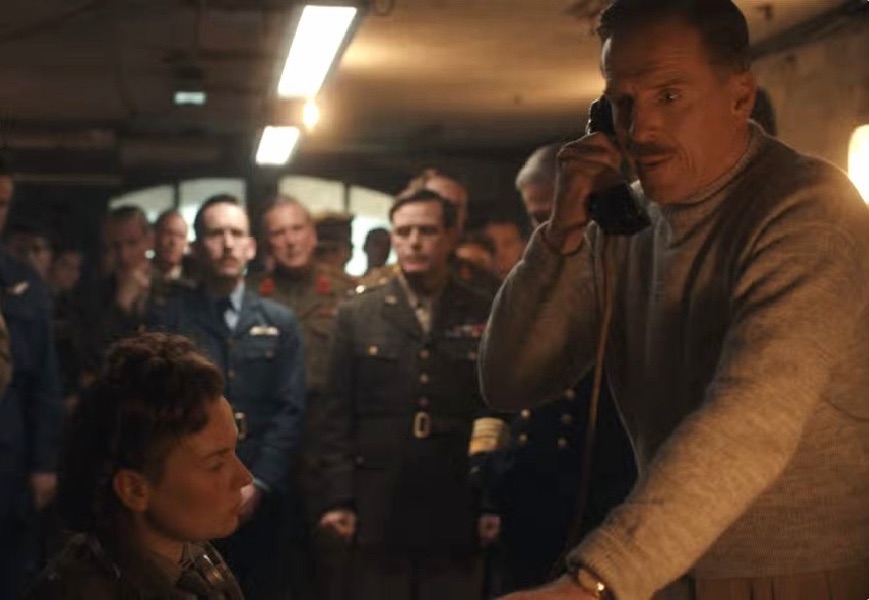
As with the best period dramas, the production design does much of the work in transporting us into the era. The bustling rooms, military uniforms and maps and charts create a tangible atmosphere where I could almost smell the smoke and feel the activity of the headquarters around me.
When the film eventually depicts the D-Day landings themselves, the change in perspective is particularly powerful. The fear among the young soldiers feels palpable and the sequences are harrowing. After spending so much of the film discussing weather maps and forecasts, seeing the human reality of the decision gives everything that came before it considerably greater weight.
Weather itself almost becomes another character. The film repeatedly captures clouds, rain and changing skies beautifully, while Stagg makes the poignant observation that weather is anything but boring as it feeds us, destroys us and controls our daily lives. It is easy to take something as ordinary as checking tomorrow’s forecast for granted, yet Pressure demonstrates an extraordinary moment when understanding the weather became a matter of immense historical consequence.
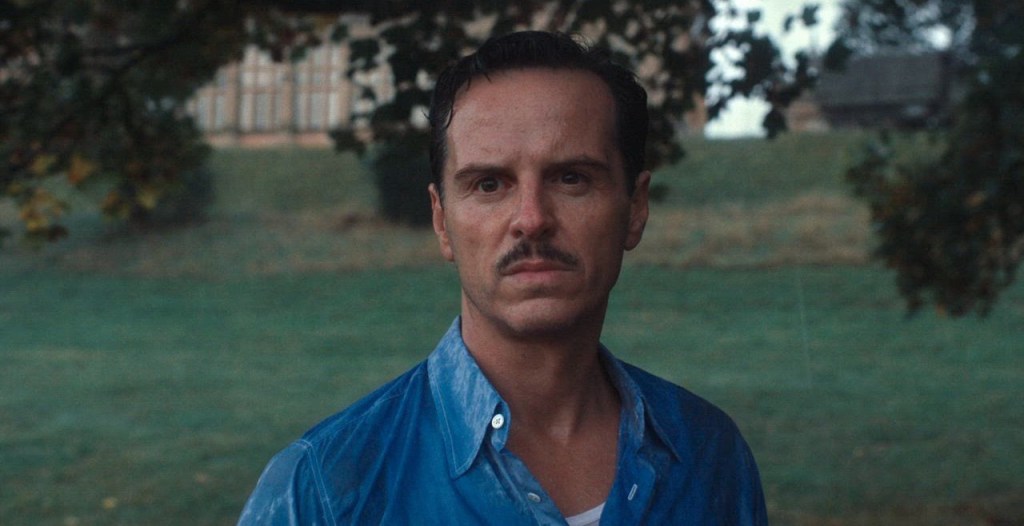
Historical dramas also have the ability to send us beyond the film itself. Inevitably, dramatic licence will be taken and events condensed or altered for storytelling purposes, but films like Pressure can inspire audiences to learn more about the real people and decisions behind them. I found myself wanting to know more about Stagg and the extraordinary responsibility placed upon the forecasting team. There is also value in continuing to tell these stories. Behind events as enormous as D-Day were individuals making extraordinarily difficult decisions, alongside countless others who risked and sacrificed their lives. Remembering their experiences remains important, both in honouring them and in understanding the consequences of history.
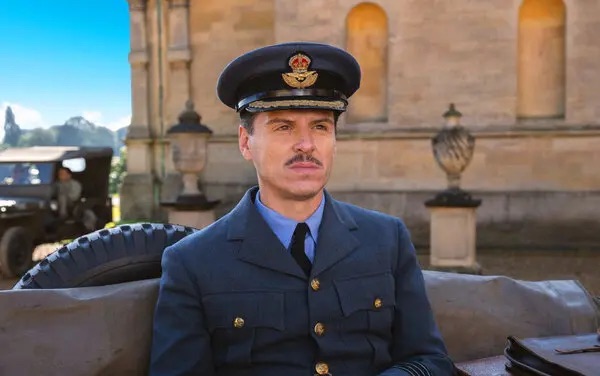
Ultimately, Pressure proves that even one of the most extensively depicted events in modern history can still reveal fascinating new perspectives. By placing meteorology rather than combat at the centre of its story, the film transforms weather maps, changing skies and competing forecasts into compelling drama. The acting is stellar and the screenplay creates remarkable tension despite an outcome already written into history.
★★★★½ (4.5 stars)
 Rhiann’s Reels