

In one sentence: A teenager preparing for the biggest moment of her young life struggles to balance growing up with the devastating news that her mother’s cancer has returned.
Movies have an extraordinary ability to make us care deeply about people we have known for such little time. Making an audience cry is relatively easy if a film pushes hard enough, but earning those tears without resorting to melodrama is much more difficult. Don’t Say Good Luck manages exactly that, delivering a gentle and deeply affecting story that resonates.

The film follows teenager Sophie (Sunny Sandler), whose life seems to be going rather well. She lands the lead in her high school production of Waitress, opposite her crush and is learning to drive. She has a loving family and plenty to look forward to, but everything changes when she learns that her mother’s (Melanie Lynskey) cancer has returned. Suddenly, Sophie must somehow balance the ordinary milestones of being a teenager with the possibility of losing her mother.
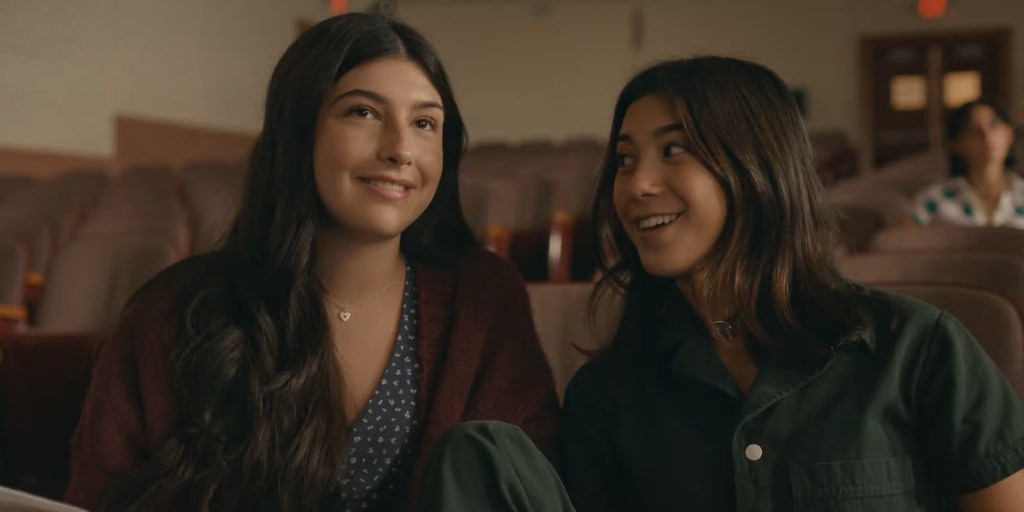
Don’t Say Good Luck is gentle, but it packs an emotional punch. It left me in tears towards the end, which is testament to how successfully the film builds a connection between its characters and the audience without resorting to excessive melodrama. At the heart of the story is the relationship between Sophie and her mother and this is where it affected me most. As someone who is very close with my own mother, I found their dynamic particularly moving.
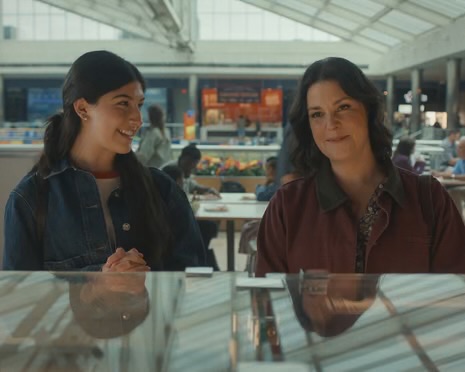
Sophie is relatable and frustrating in equal measure, filled with all the contradictions of being a teenager while attempting to process something no teenager should have to face. Watching as an adult, there were moments when I desperately wanted to shake her and tell her ask her mum how she’s feeling, understand why she can’t do everything she once could, just sit beside her. Yet this frustration is precisely what makes Sophie believable. She is still a teenager, consumed by crushes, driving lessons and her school musical while simultaneously beginning to understand that she may lose her mother. These concerns can seem trivial beside cancer, but to Sophie they are still her life. Her mother faces the opposite dilemma. She wants Sophie to keep living, experiencing and enjoying her teenage years, yet there are quiet moments where it is clear she desperately wants her daughter’s company too. She wants to remain part of Sophie’s life even as her illness increasingly prevents her from participating in it as she once could. Neither knows exactly how to behave because there probably isn’t a right way to prepare for something like this.
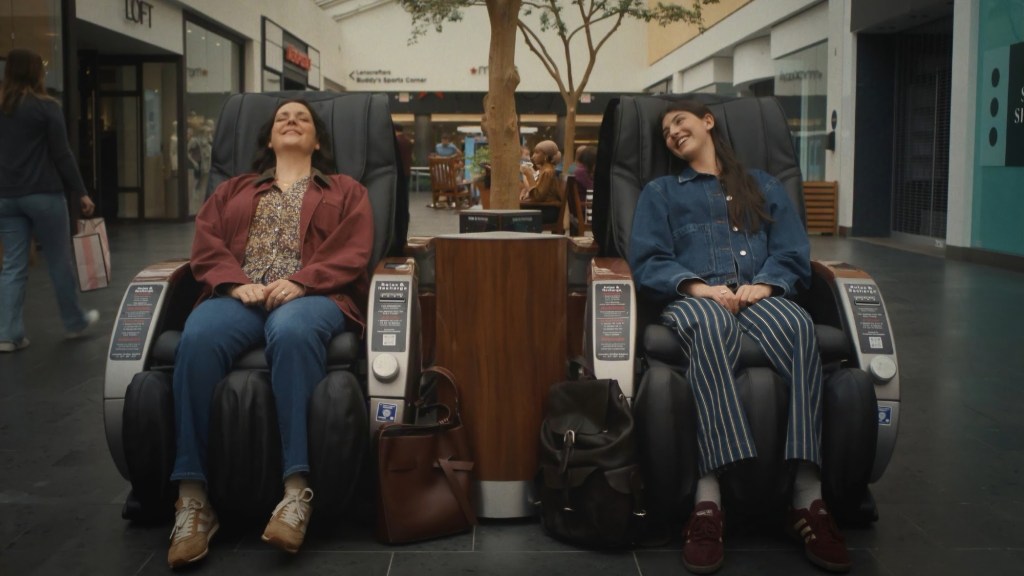
I went into the film without knowing its premise and initially wondered whether I was prepared for something quite so heavy but the film shows considerable restraint. It is less interested in the medical details of cancer than in anticipatory grief. Everyday life continues alongside something enormous, forcing the family to exist somewhere between hope, fear and an awareness of what may be coming.

Melanie Lynskey is the standout. She brings tremendous warmth to Sophie’s mother and makes her immediately likeable, but there is sadness beneath that warmth that she communicates remarkably quietly. Although the film largely belongs to Sophie’s perspective, the moments focused on her mother allow Lynskey to show considerably more of what the character is carrying.
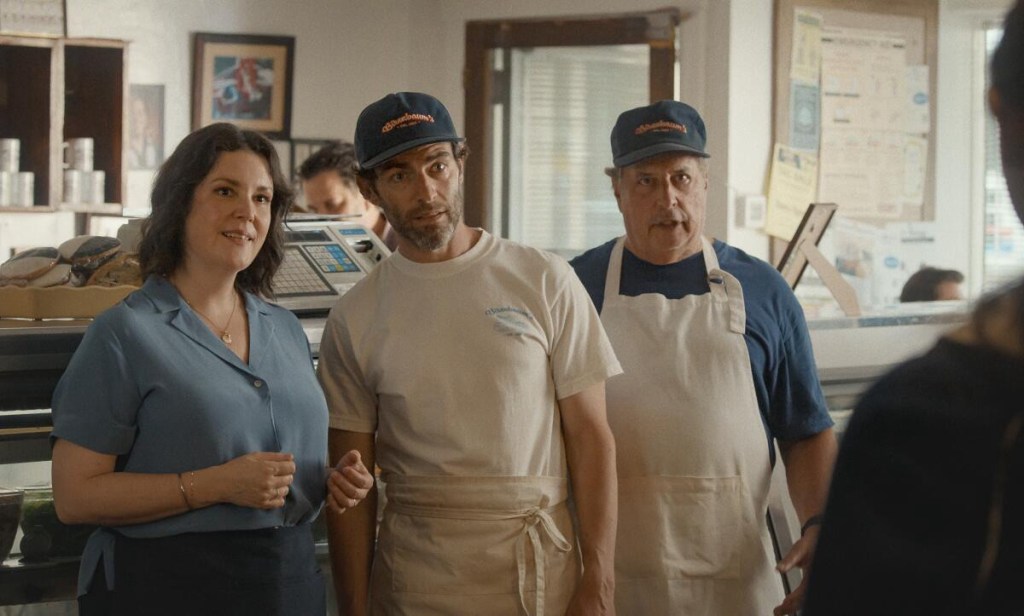
Sunny Sandler gives a solid performance as Sophie and captures the more everyday teenage moments particularly well. Her relative lack of dramatic experience is occasionally apparent in some of the heavier scenes, particularly when required to cry, while her singing voice is pleasant rather than exceptional. Nevertheless, she creates a believable teenager and holds her own in a demanding central role. Steve Buscemi is among the familiar Happy Madison faces appearing in the supporting cast, here playing Sophie’s grandfather.
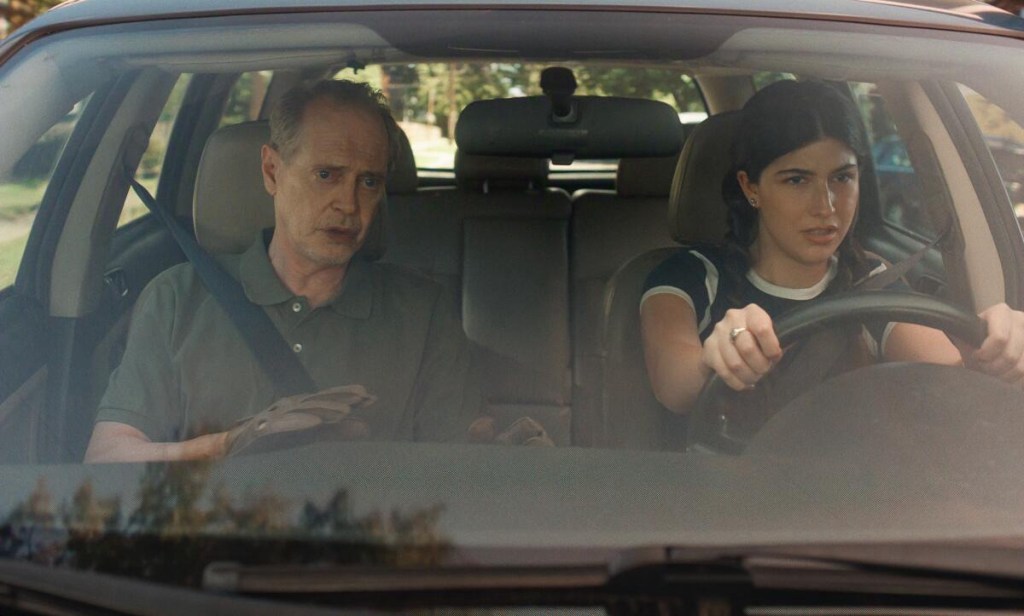
There are moments where it becomes fairly obvious what might happen next, but there is an important difference between inevitability and predictability. Some developments feel inevitable because of the story being told rather than because the screenplay lacks imagination. Don’t Say Good Luck understands the distinction remarkably well. Knowing that a moment is coming doesn’t diminish its emotional impact; sometimes the knowledge that it cannot be avoided makes it hurt even more.
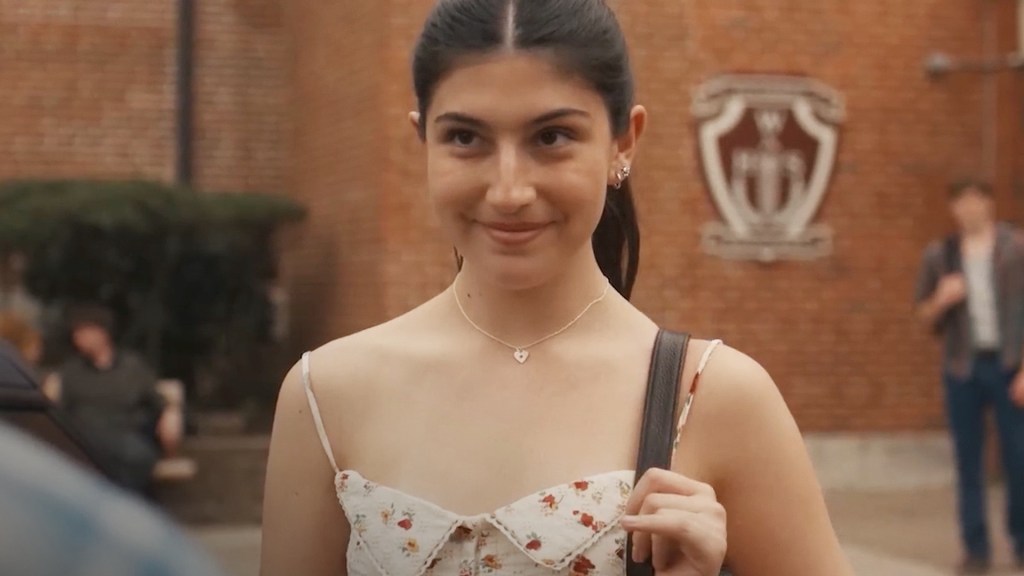
The use of Waitress as Sophie’s school musical is particularly effective. As someone already familiar with the musical, I appreciated how its themes quietly mirror Sophie’s own experiences. Jenna’s complicated relationship with motherhood, alongside songs about losing and rediscovering yourself, creates an emotional dialogue between the production Sophie is performing in and what is happening in her own life. Even the family’s deli in the movie could be likened to the pie shop in the musical. The two stories gradually weave together, particularly as Sophie’s understanding of her mother begins to change. One development involving a maternity dress is relatively easy to anticipate, but it is nevertheless very sweet and demonstrates Sophie’s growth. The musical also provides an effective way of exploring shifting priorities. Something that feels monumental one day can suddenly seem very small when life places something much bigger beside it. That doesn’t make the original concern meaningless, it simply changes its place on the spectrum.

Despite the subject matter, the film isn’t relentlessly sad. Practising Southern accents, awkward conversations about kissing and surprisingly passionate debates about healthy wraps provide welcome moments of levity. It couldn’t be a Happy Madison production without some humour, but there is no mistaking this for a comedy. The lighter moments simply make the characters feel more human and prevent their lives from becoming defined entirely by illness. Nevertheless, its themes of cancer, anticipatory grief and loss may understandably make this a particularly difficult watch for some viewers.

Ultimately, Don’t Say Good Luck is a gentle and deeply affecting drama about growing up while simultaneously confronting the possibility of loss. Its use of Waitress beautifully complements Sophie’s journey, while Melanie Lynskey brings enormous warmth and quiet sadness to its central mother-daughter relationship. Most importantly, the film understands that grief doesn’t wait politely for the rest of life to stop. School musicals, first kisses, driving lessons and teenage frustrations continue even when something far bigger is happening in the background.
★★★★ (4 stars)

