

In one sentence: A lifelong friendship descends into chaos when a new girlfriend threatens two best friends’ plans to travel the world together.
They say laughter is the best medicine and sometimes it really can be. There is something wonderfully cathartic about unexpectedly laughing out loud at a film, particularly when humour is so subjective. Sometimes the jokes are perfectly aligned with your sense of humour, sometimes a film simply finds you at exactly the right moment. Whatever the reason, making someone genuinely laugh is an achievement, regardless of whether the comedy is considered sophisticated or decidedly lowbrow. Netflix’s latest German release, My Best Friend, His Girlfriend and Me, managed to do exactly that for me.
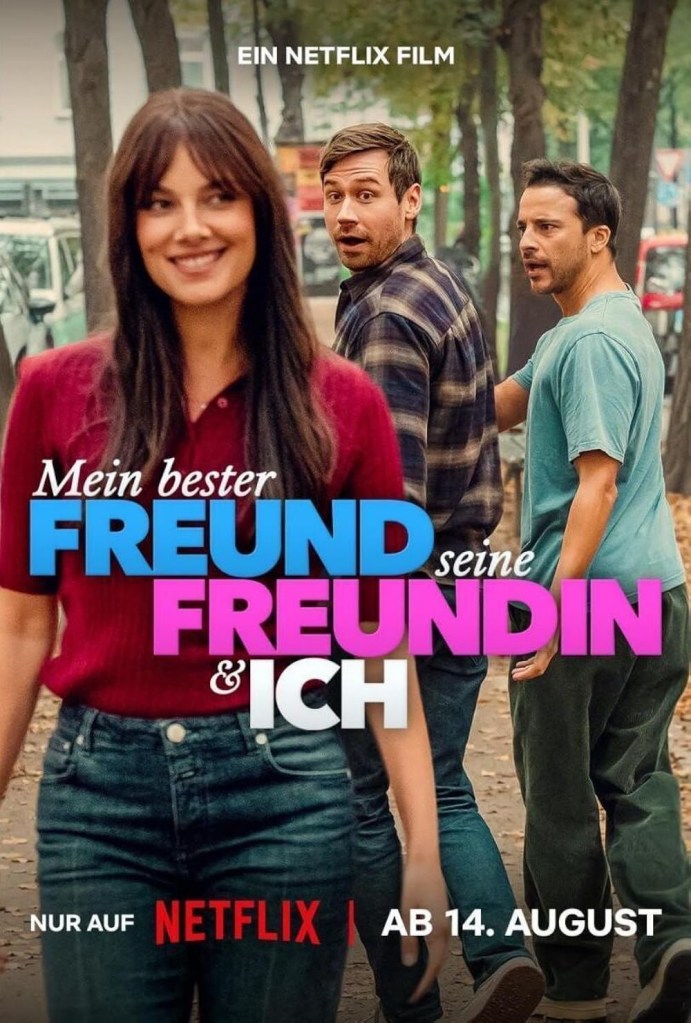
The film follows childhood friends Olli (Kostja Ullmann) and Matze (David Kross), who have been joined at the hip since meeting at school when Olli was the only pupil who didn’t make fun of Matze’s stammer. Now in their thirties, they work for the same real estate agency and are only weeks away from taking a year out to travel the world together. Everything changes when Matze meets Rebecca (Janina Uhse) while showing her an apartment and the pair immediately hit it off. As their relationship quickly becomes more serious, an increasingly ridiculous rivalry develops between Olli and Rebecca as they compete for Matze’s affection and attention.
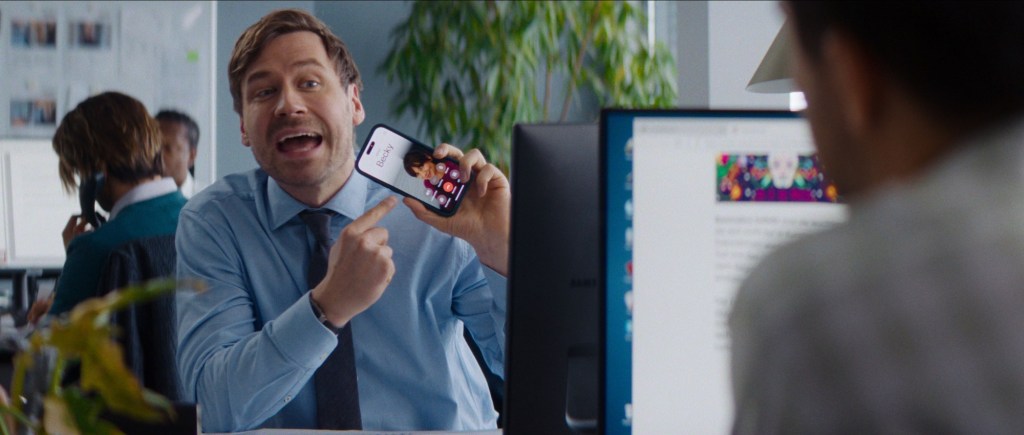
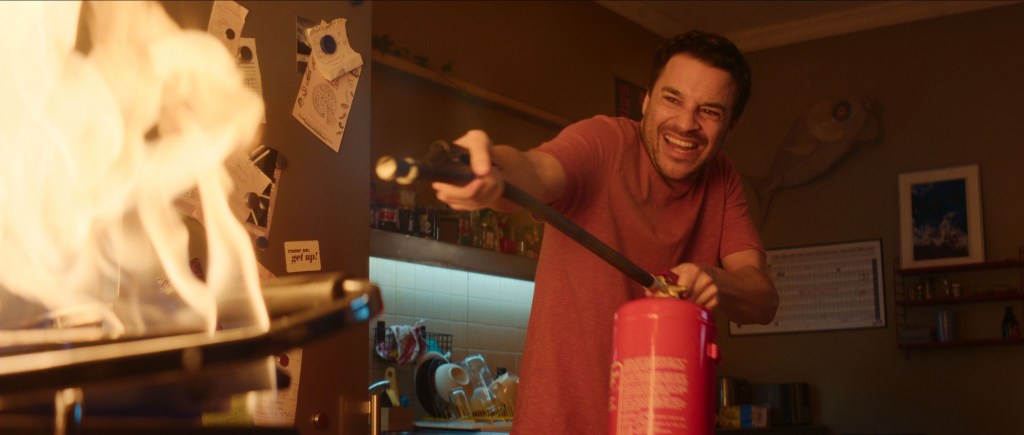
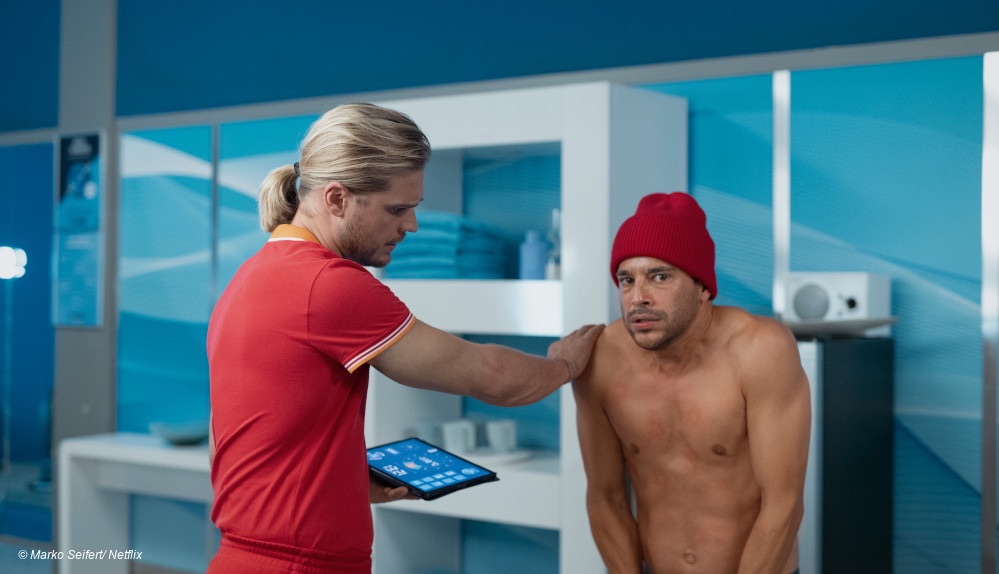
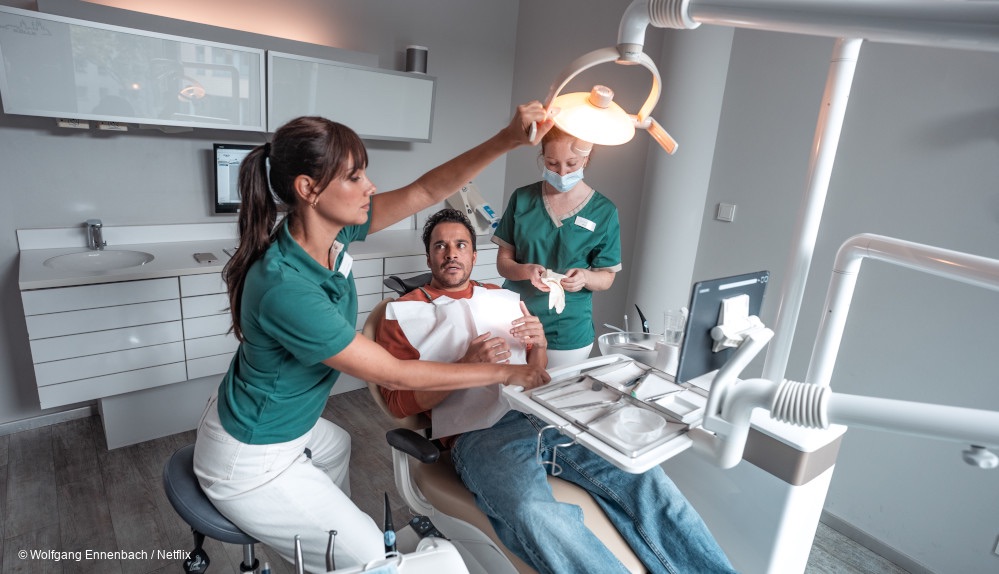
The film is undeniably lighthearted, but the rivalry escalates to some fairly extraordinary places. Fires, dental work without anaesthetic and the threat of frostbite are just some of the situations that might leave viewers wondering whether the police should have become involved at some point. Beneath the absurdity, however, is something surprisingly relatable. Friendships inevitably change as people grow older, particularly when partners, families and other priorities enter the picture. The film takes that very real experience and pushes it to ridiculous extremes.
Olli and Matze are only weeks away from embarking on a year-long trip they have presumably spent considerable time planning so Olli’s frustration isn’t entirely unreasonable. From his perspective, the rug has suddenly been pulled from beneath him. The future he thought was settled is changing almost overnight and his best friend’s priorities are changing with it. There is also something interesting here about how easy it can be to become overly reliant on another person, particularly when so much of your identity and future has become intertwined with theirs.

Olli certainly has his faults and could reasonably be described as something of a man-child, but Rebecca isn’t entirely blameless either. Her relationship with Matze develops remarkably quickly and, partly because of her living situation, suddenly becomes very serious. Matze begins changing his lifestyle to accommodate her, while comparatively little compromise appears to come from Rebecca beyond tolerating Olli. The film is at its most interesting when neither side is completely right.
It also has fun with the familiar idea that people change when they enter relationships, although beneath the jokes is a more interesting question about how much compromise is healthy. Schmitti (Ferdinand Hofer) provides the most exaggerated example. His wife Antje (Mira Huber) dislikes Olli and Matze so much that he resorts to sneaking out while she is at the cinema just to spend a few hours with them. His terror of being discovered is played for laughs, but the loss of identity within a relationship is a genuine concern.
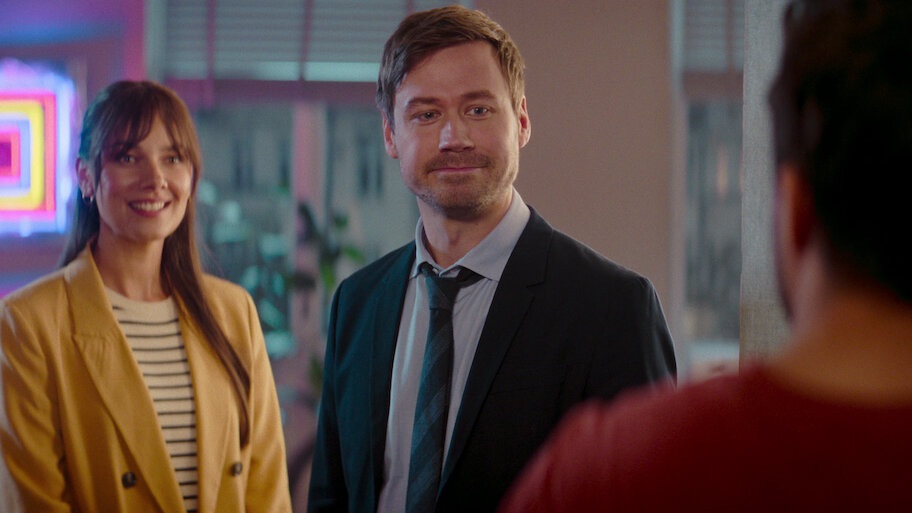
Interestingly, the women in the movie aren’t necessarily asking for unreasonable things. They want their partners to be healthier, more responsible and more serious about their futures. The question is when encouraging someone to grow becomes an attempt to change who they fundamentally are. For a free spirit like Olli, the prospect is horrifying, while for Matze and Schmitti, companionship appears worth some degree of compromise. Beneath all the silliness, this difference gives the film something surprisingly relatable to say about adulthood.

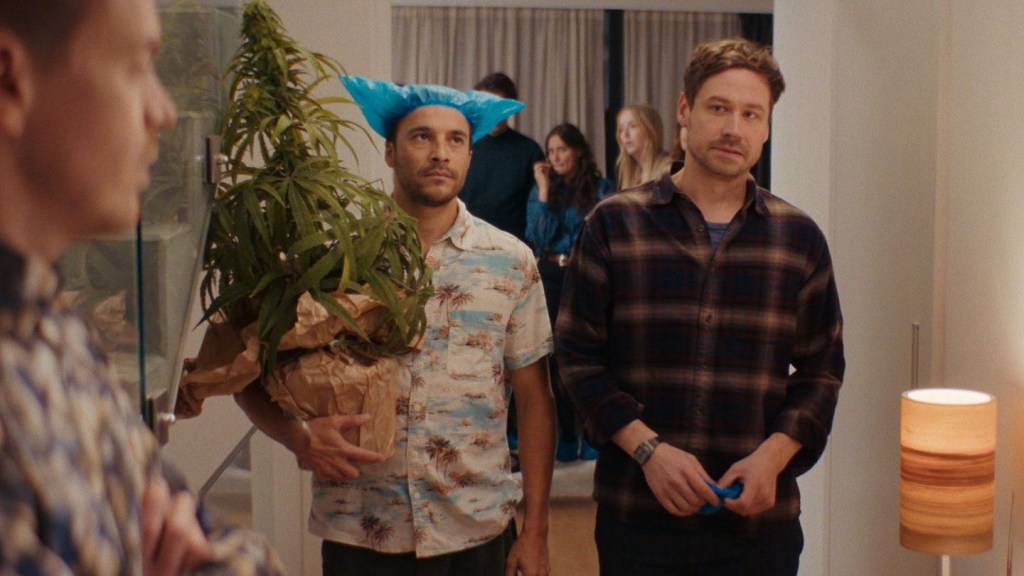
Most importantly though, the film made me laugh. There are some wonderfully silly sequences involving shoe covers, spectacular falls, partying and increasingly ridiculous attempts to sabotage relationships. Not every joke will work for everyone and there are some deliberately gross moments that may put viewers off pretzels for quite some time, but comedy is intensely subjective and this happened to hit my funny bone.
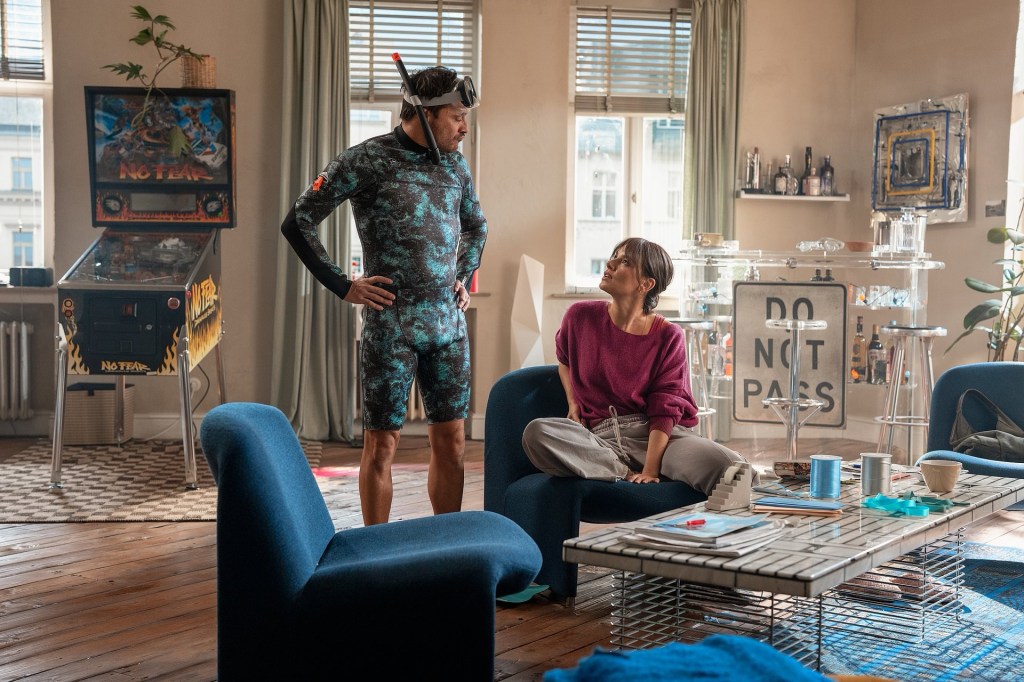
I have been a fan of David Kross since The Reader and have followed much of his work since so it is particularly enjoyable seeing him demonstrate how comfortably he can move between genres. Kostja Ullmann has excellent comedic timing and an effortless delivery, while the longstanding friendship between Olli and Matze is convincing largely because the two actors bounce off one another so naturally. The German language shouldn’t be a barrier either. Much of the humour comes from physical comedy, friendship and relationship dynamics that feel universal. The circumstances may become ridiculous, but the feeling of watching a close friend fall in love and suddenly wondering where you fit into their life crosses cultures easily.
Even the poster gets in on the joke, recreating the famous distracted boyfriend meme with the film’s central trio. It is a clever, tongue-in-cheek way of playing with the familiar romantic triangle while immediately establishing the tone of what is to come.
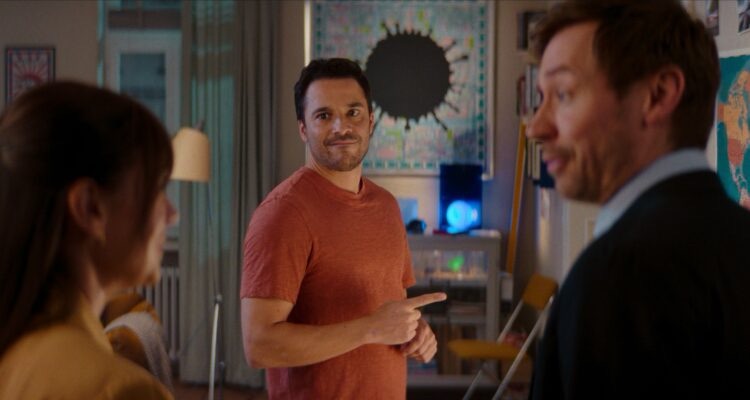
The film moves at a brisk pace, although I was less convinced by its ending. After spending so much time exploring some genuinely questionable behaviour within its relationships, the resolution feels a little too eager to smooth everything over. It chooses the path of least resistance when something slightly messier might have been more satisfying.
Ultimately, I had a genuinely good time with My Best Friend, His Girlfriend and Me. It made me laugh while finding something surprisingly universal in the experience of feeling left behind when a close friend’s priorities begin to change. Its escalating rivalry is ridiculous, occasionally gross and certainly not an example of healthy conflict resolution, but that’s also where much of the fun lies. Following Eat Pray Bark, Netflix Germany continues to show that German language films can have broad mainstream appeal, and eagle eyed viewers may even spot a couple of familiar faces from the film along the way. It probably won’t be receiving any awards, but sometimes a comedy’s greatest achievement is simply making an audience laugh.
★★★½ (3.5 stars)

