
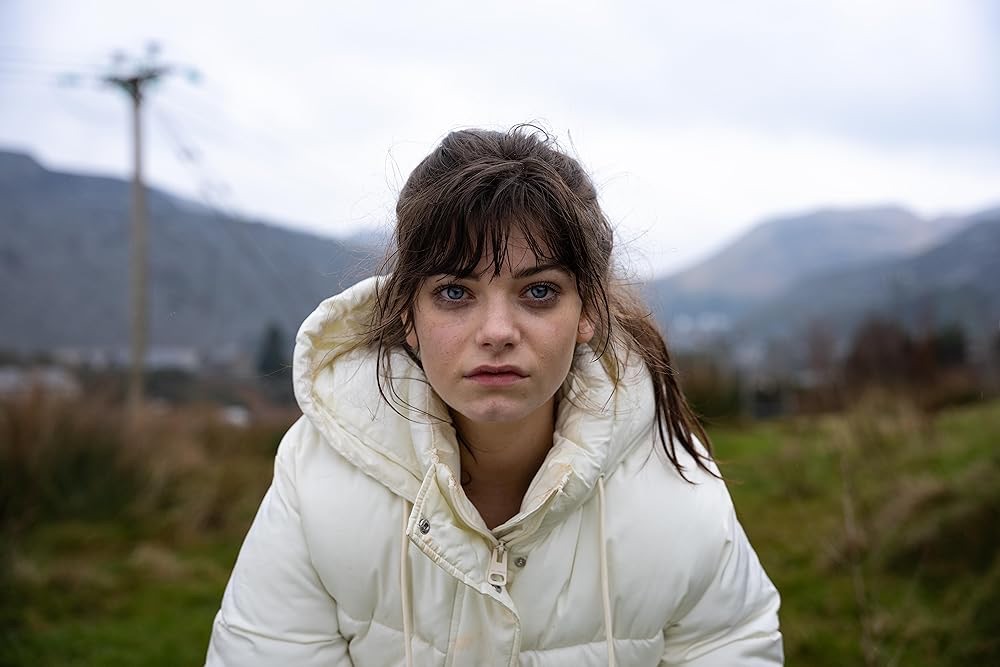
In one sentence: A troubled young woman begins to imagine a different future as she struggles against the poverty and isolation of life in Blaenau Ffestiniog.
Where we are born can shape our lives in ways we rarely choose. Opportunity, education and even hope are often determined as much by postcode as personal ambition. Towards the end of Effi O Blaenau, Effi describes Blaenau Ffestiniog as a place where you either “sink or swim”. It is a sentiment that echoes throughout the film, which offers an unflinching portrait of a community where staying afloat can feel like the greatest challenge of all.
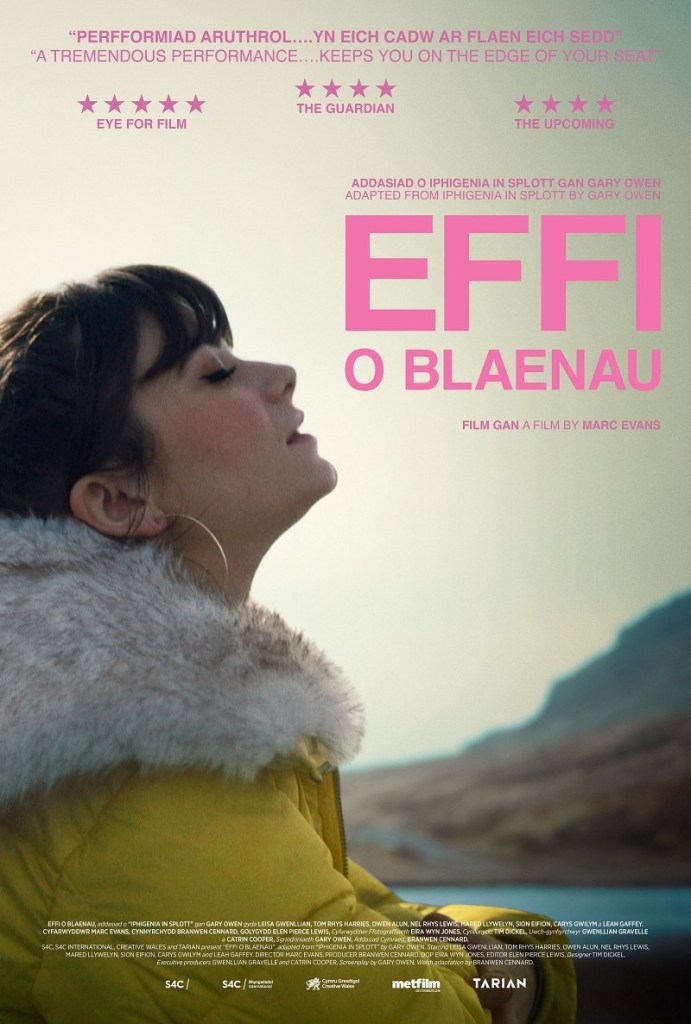
The film follows Effi (Leisa Gwenllian), a young woman living in one of the roughest parts of North Wales. She spends her days partying, drinking heavily, taking drugs and treating her grandmother (Carys Gwilym) disrespectfully. While out at a nightclub with her friends, Leanne (Nel Rhys Lewis) and Kev (Owen Alun), she meets injured soldier Lee (Tom Rhys Harries). For the first time, she begins to imagine a future beyond the life she has always known, but the harsh realities of her environment continually threaten to pull her back.
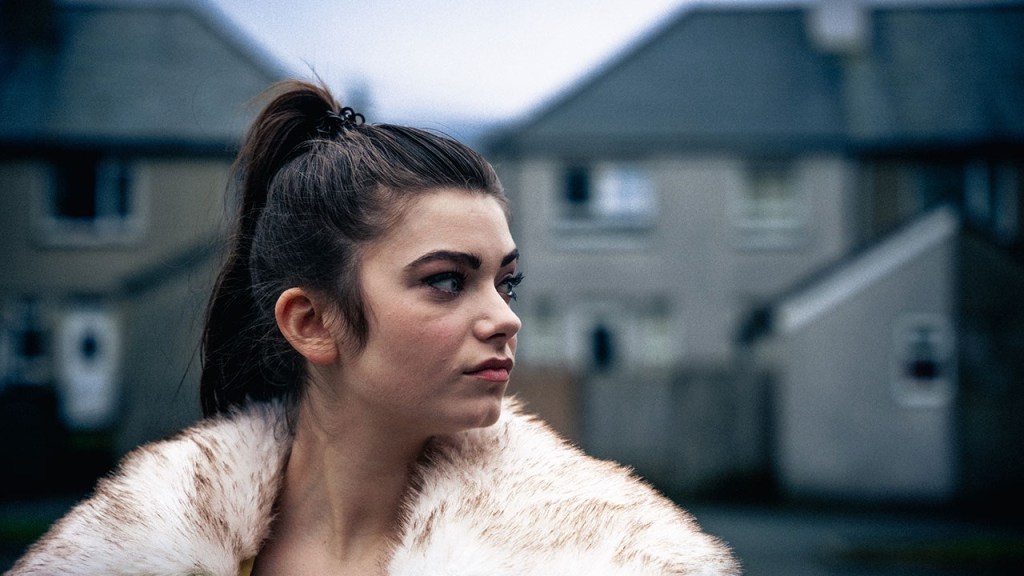
The film never attempts to glamourise its setting and instead focuses on the everyday realities of poverty and the way it shapes people’s lives. Furniture and rubbish are scattered across the slate mountains, families struggle to put food on the table and basic services appear stretched to their limits. The film does not shy away from showing how deprivation affects every aspect of daily life. Effi herself teeters on the edge of alcoholism despite her young age, spending money on drink that could feed a family for days. Yet glimpses of her childhood, particularly memories of learning to swim, hint at a very different life that might have been possible. The overwhelming feeling is that places with so little opportunity gradually take something away from the people who grow up there.
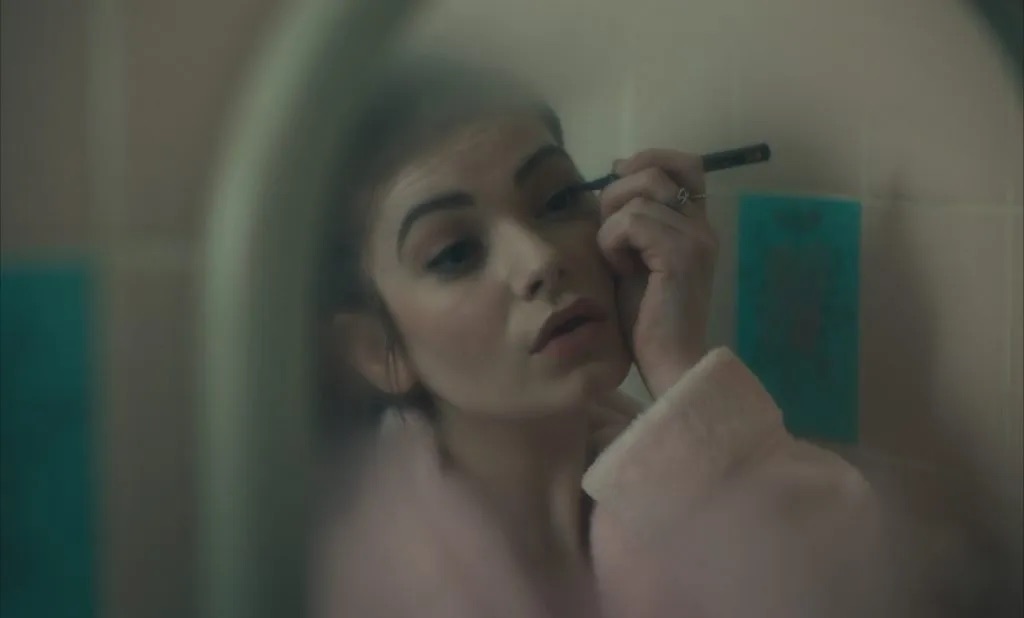
The decision to tell the story entirely in Welsh gives the film an additional layer of authenticity. Welsh-language cinema remains relatively rare despite the country’s rich cultural heritage, making Effi O Blaenau feel particularly important. For viewers familiar with Wales’ complex linguistic history, the language also reinforces the town’s sense of identity and, at times, its isolation. Rather than feeling like a barrier, Welsh becomes another reminder that this is a story rooted in a community whose experiences deserve to be heard.
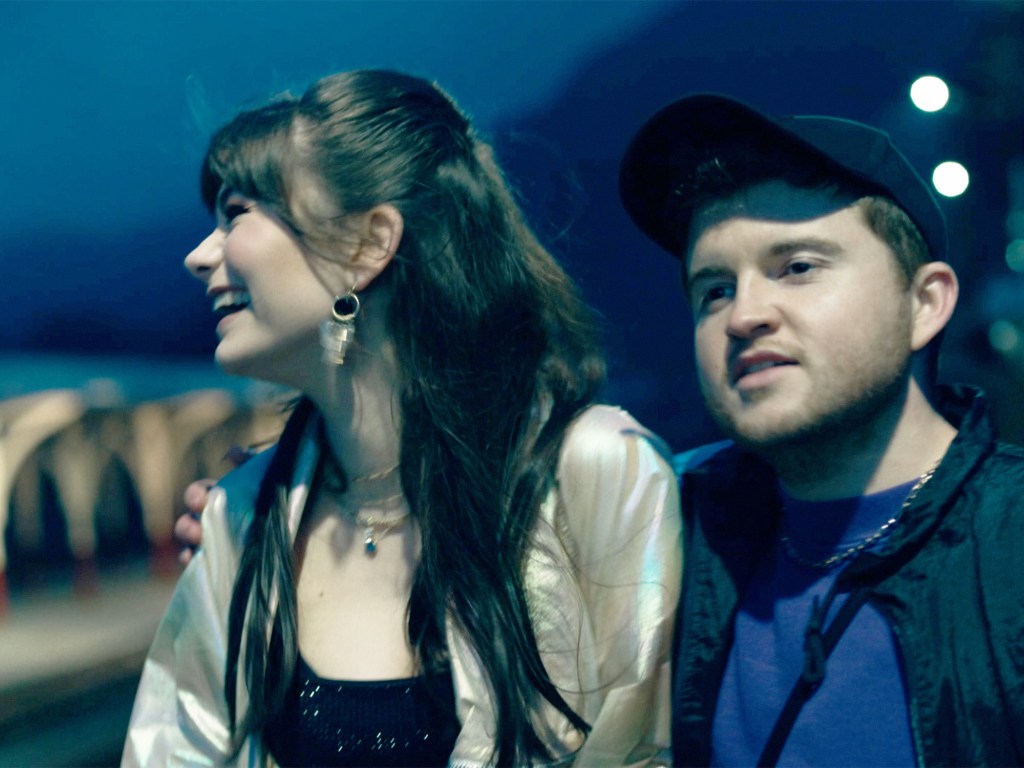
The character of Effi is exceptionally well written and feels wonderfully multidimensional. Beneath her abrasive exterior is someone capable of growth, vulnerability and hope. What prevents the film from becoming relentlessly bleak is the possibility that, despite everything she has experienced, life could still be different. That fragile hope becomes the emotional heartbeat of the story.
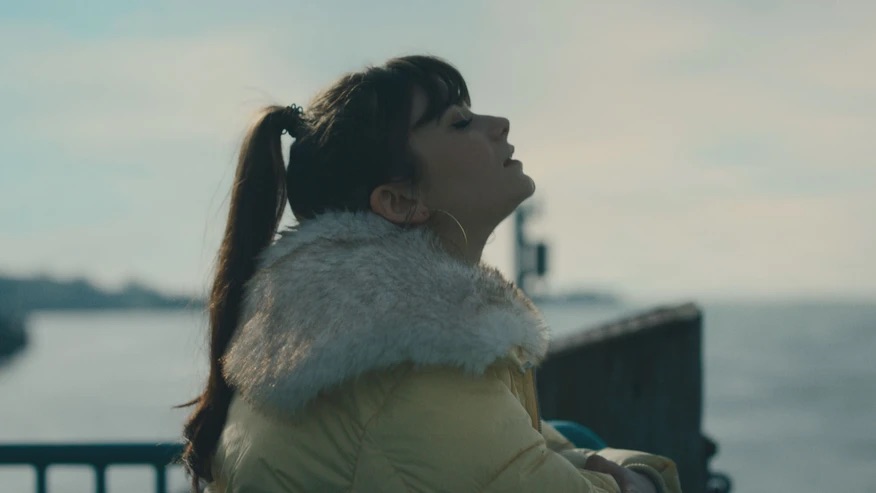
The film is adapted from Gary Owen’s acclaimed play Iphigenia in Splott and this adds another fascinating layer. By reimagining the Greek myth of Iphigenia, a young woman sacrificed for the ambitions of others, Owen draws a powerful comparison between ancient tragedy and modern Britain. Here, it is not the Gods demanding sacrifice but poverty, political decisions and social neglect. The comparison is both intelligent and deeply affecting, transforming a myth into something painfully contemporary. Moving the story from Splott in Cardiff to the dramatic landscape of Blaenau Ffestiniog further strengthens that idea. The towering slate mountains and limited infrastructure reinforce the community’s isolation and the feeling that many residents have simply been left to fend for themselves.
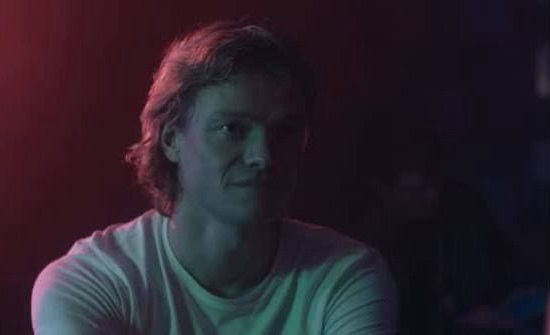
Visually, the film embraces a bleak palette of greys and muted colours. The slate looms large over the town, creating an environment that feels both physically and emotionally oppressive. There are echoes of Ken Loach’s social realism in the way the camera quietly observes rather than embellishes. The occasional moments of warmth, whether through soft lighting or acts of kindness, become all the more powerful because they are so rare. A particularly tender scene between Effi and Lee is bathed in gentle light, offering a brief glimpse of hope before reality inevitably intrudes once again. Even the Welsh weather plays its part, with heavy rain, low cloud and overcast skies reinforcing the unforgiving nature of the environment.
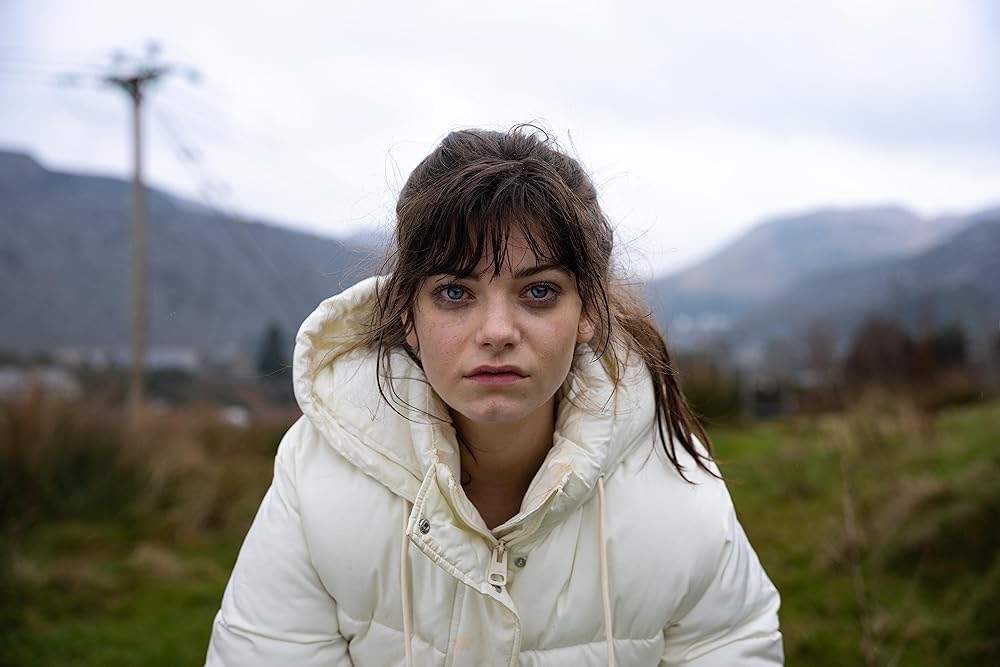
The acting throughout is outstanding. As the play was originally a one-woman production, much of the emotional weight rests on Leisa Gwenllian’s shoulders and she carries it brilliantly. Her portrayal captures every side of Effi’s journey, from anger and self-destruction to vulnerability and resilience, creating a character who feels completely authentic. The supporting cast complements her performance well, reflecting the different ways people respond to hardship. Despite the many struggles depicted, there remains a genuine sense of community that provides welcome moments of humanity. The contrast between those with financial security and those without also exposes uncomfortable truths about inequality, particularly in the way compassion and care are so often tied to wealth.
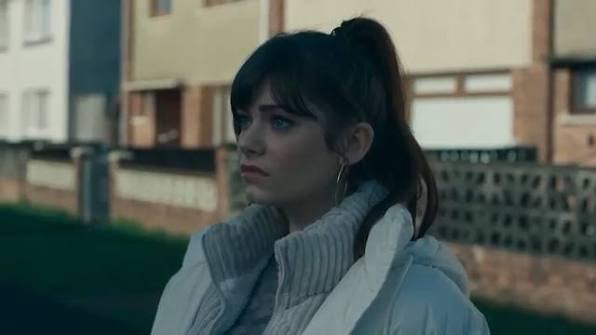
At just over ninety minutes, Effi O Blaenau covers an extraordinary amount of ground without ever feeling rushed. Its powerful storytelling and compelling performances ensure it remains engaging from beginning to end. More importantly, it shines a welcome spotlight on Welsh-language cinema and tells a story that deserves to be heard far beyond Wales itself.
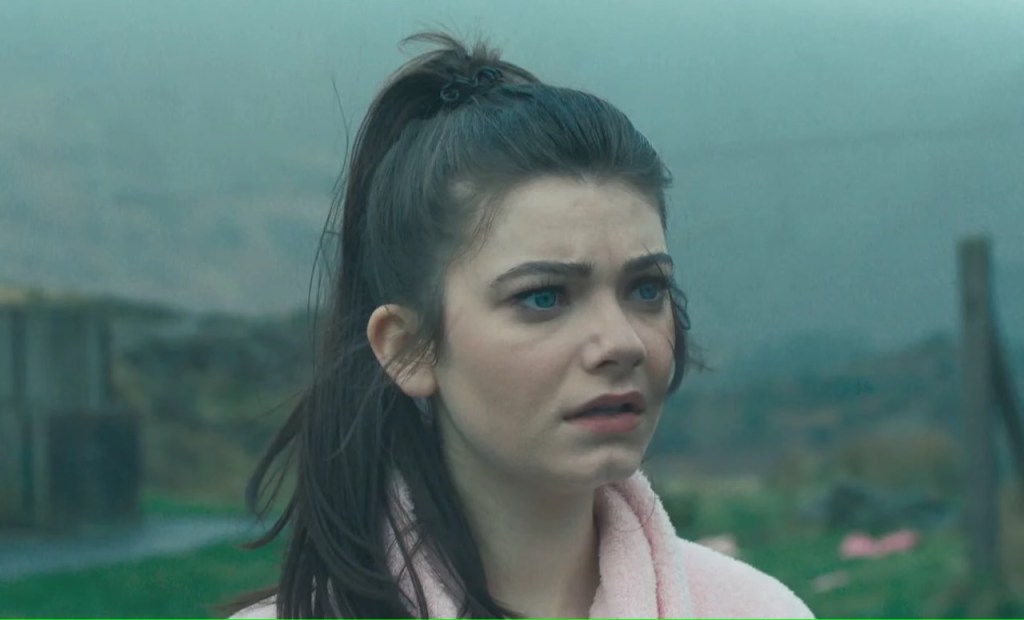
Ultimately, Effi O Blaenau is more than a compelling character study, it is a powerful social commentary that asks uncomfortable questions about inequality, opportunity and the communities that modern Britain too often overlooks. Anchored by an exceptional performance from Leisa Gwenllian and enriched by its Welsh-language identity, it is both deeply moving and quietly enraging. It left me reflecting not only on Effi’s story, but on how profoundly a person’s future can be shaped simply by where they happen to be born.
★★★★½ (4.5 stars)

