
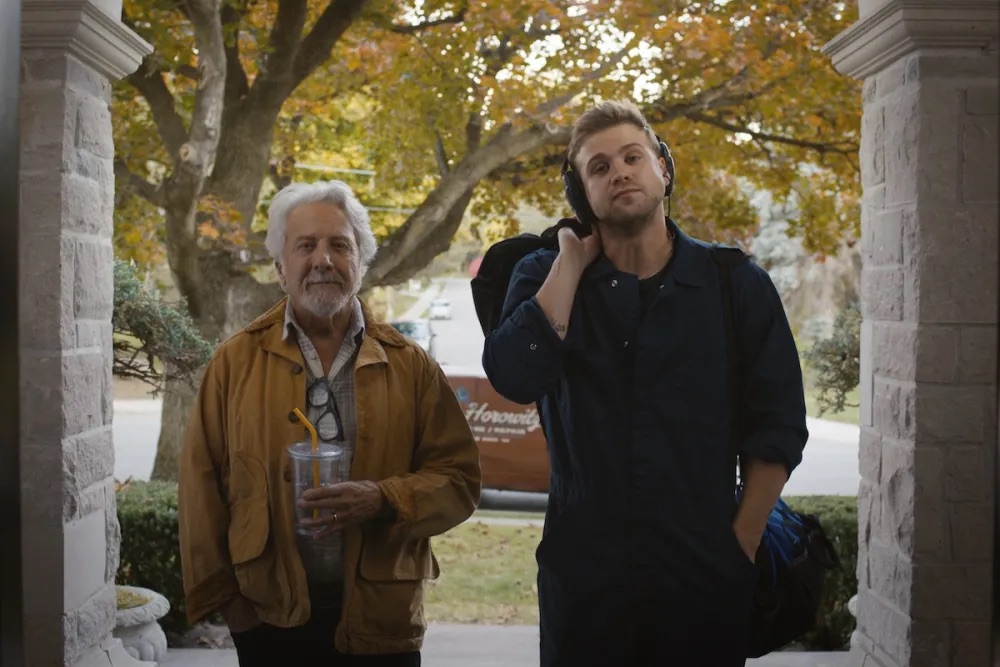
In one sentence: A former piano prodigy finds himself drawn into a dangerous criminal world after an ordinary day’s work takes an extraordinary turn.
Sometimes the smallest decisions can alter the course of a life forever. Tuner explores this idea through an unlikely blend of music, crime and human drama, creating a thriller that is as interested in its characters as it is its suspense. Leading the film is Leo Woodall, whose career continues to gather momentum following his breakout performance in The White Lotus. Here, he proves he has the presence and emotional range to carry a film of his own.
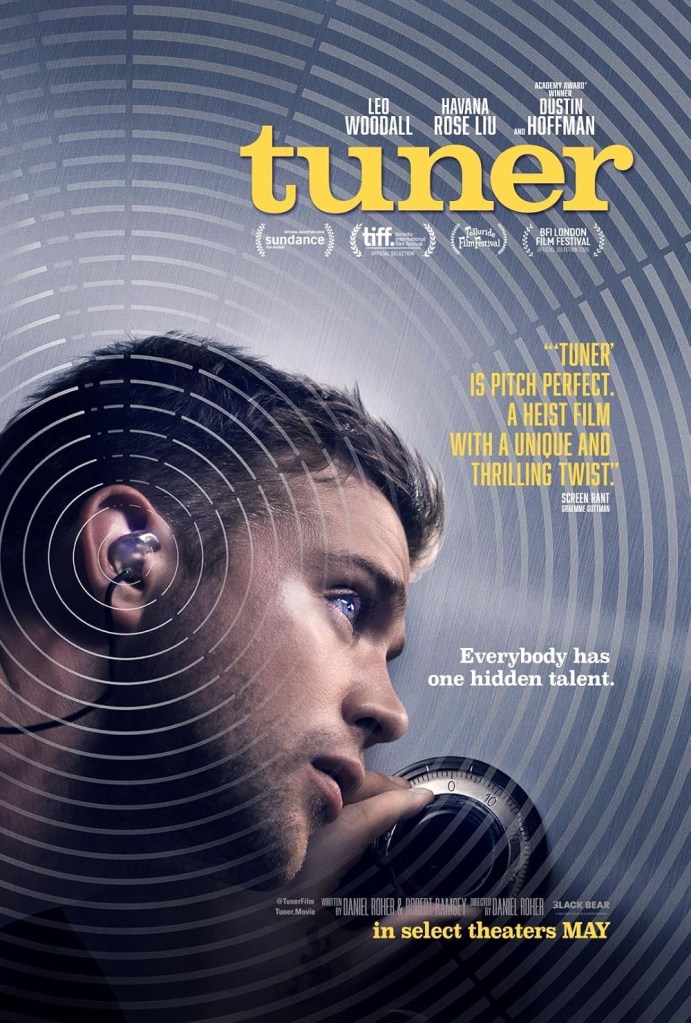
The film follows piano tuners Harry (Dustin Hoffman) and Niki (Leo Woodall), who travel across New York tuning pianos for a wide range of clients. When Harry falls ill, Niki, who suffers from a debilitating sensitivity to loud sound and wears protective headphones at all times, must continue the business alone. During one routine appointment, he unexpectedly encounters three men attempting to crack a safe. Thanks to his condition and some previous research into safe-cracking techniques to help Harry retrieve his hearing aids from his own safe, Nicki finds himself able to assist them, becoming drawn into a criminal world that offers both opportunity and danger. Alongside this, he falls in love with composition student Ruthie (Havana Rose Liu) while trying to keep the struggling piano tuning business alive.
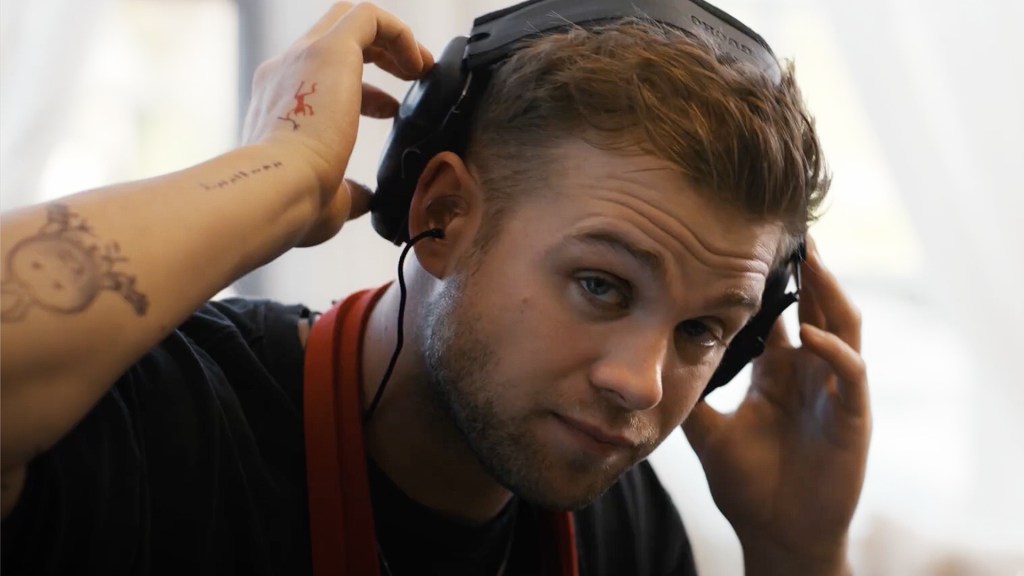
Although Tuner is primarily a thriller, it comfortably blends several genres. Romance develops through Niki’s relationship with Ruthie, the safe-cracking storyline provides plenty of tension and suspense, while Nicki’s relationship with Harry brings both warmth and sadness. Running through all of this is music, which gradually becomes far more than simply a backdrop. It develops into a character in its own right, shaping the tone, relationships and emotional journey of the film.
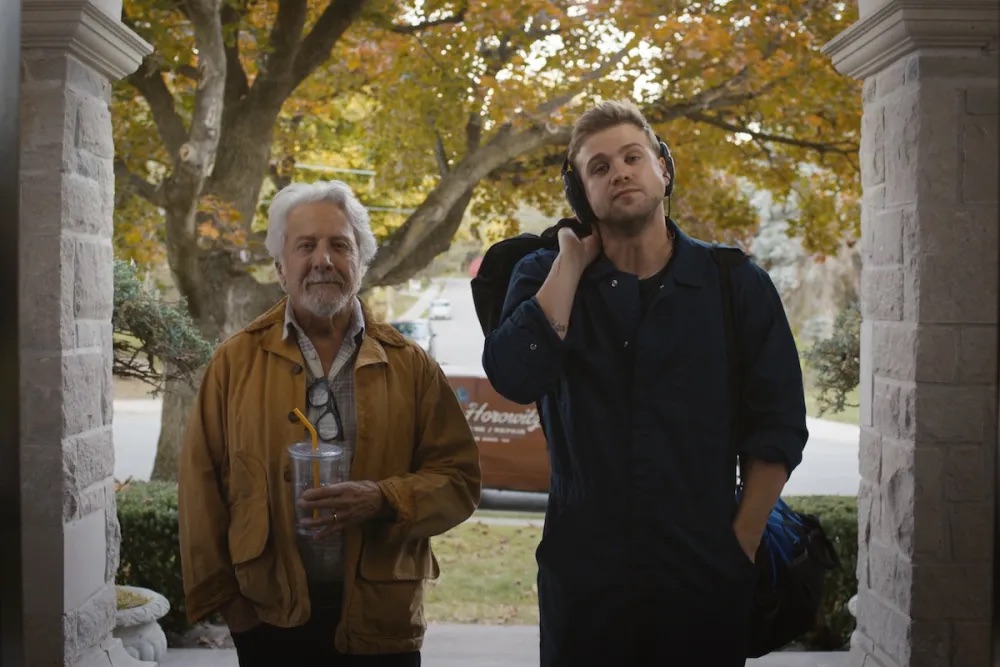
At its heart, Tuner is about unrealised potential. Niki was once a gifted piano virtuoso whose future appeared limitless before a debilitating sensitivity to loud sound forced him to abandon performing altogether. The film thoughtfully explores how circumstances beyond our control can reshape an entire life and how easily people judge others without understanding the path that brought them there. His relationship with Ruthie highlights this idea particularly well, gradually revealing the gap between perception and reality. Setting the story within the world of classical music gives the film a distinctive identity and elevates it beyond a conventional crime thriller.
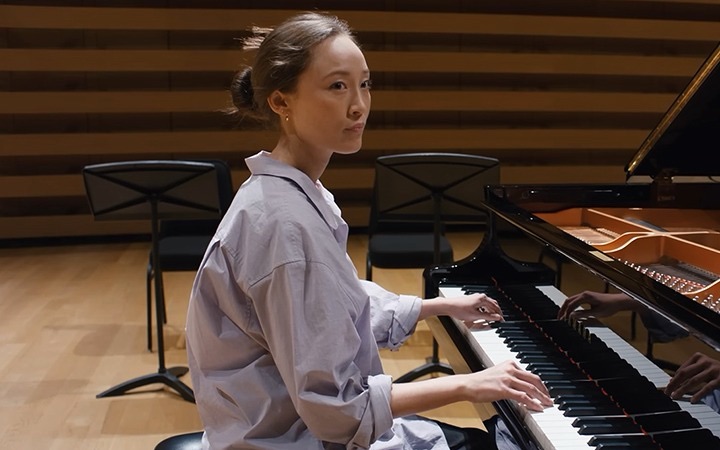
The film also explores the consequences of a single poor decision and how easily good intentions can lead someone down an increasingly dangerous path. As the saying goes, the road to hell is paved with good intentions and Niki’s journey embodies that perfectly. The audience is likely to empathise with him throughout even while becoming increasingly frustrated by the choices he makes.
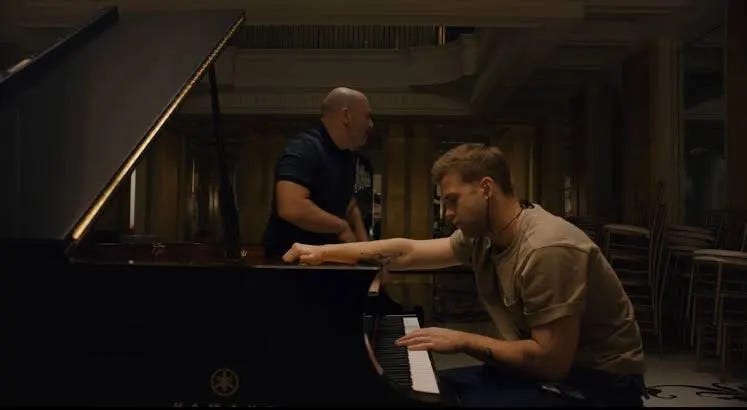
The screenplay even acknowledges its title’s homophone as Harry discusses tuna fish and the dangers of excessive mercury consumption. It initially feels like an amusing aside, but it gradually takes on greater significance. Much like the conversation itself, the film repeatedly suggests that excess, whether ambition, greed or opportunity, can quietly become destructive. It is a subtle metaphor that remains with the audience.
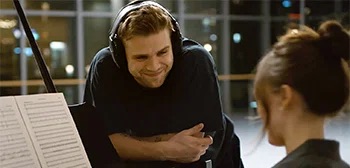
The film also shines a light on an unusual profession. Despite the remarkable skill required to tune a piano, Niki and Harry are frequently treated as little more than tradesmen, expected to solve Wi-Fi problems and other household issues simply because they happen to be there. It becomes an understated commentary on how specialist crafts are often undervalued.
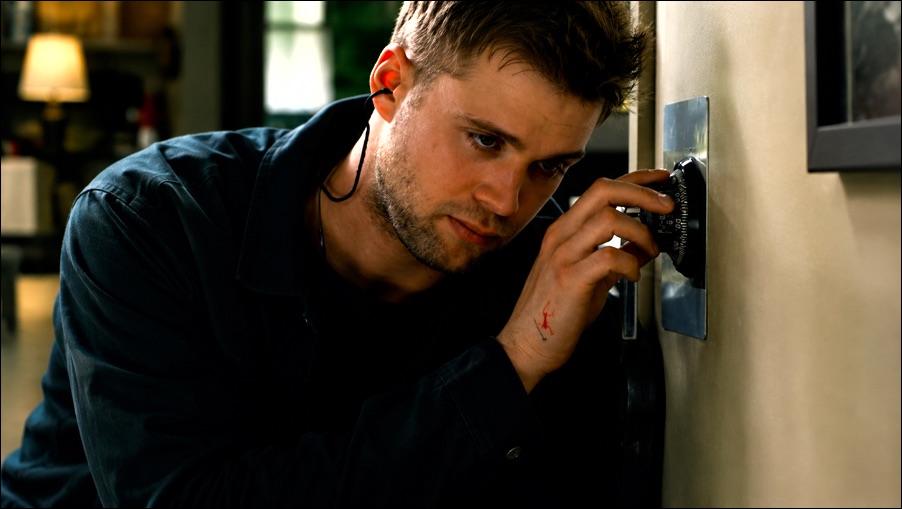
The pacing remains consistently engaging throughout, never allowing the story to lose momentum. The musical performances provide welcome variety while also showcasing the extraordinary skill required to master the piano. Rather than glamourising piano tuning, it presents it as an overlooked but highly skilled profession, quietly celebrating the dedication behind the craft.
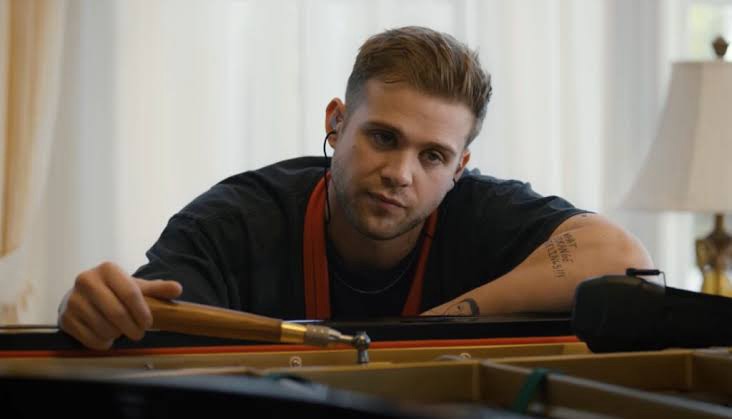
The performances are strong across the board. Dustin Hoffman brings warmth and authenticity to Harry, creating a mentor figure whose relationship with Niki is one of the film’s emotional anchors. Leo Woodall continues to demonstrate his versatility, portraying a man whose life has stalled but whose talent and dedication to those he cares for continue to shine through. In many ways, Tuner becomes a character study, following Niki as he navigates increasingly complex moral and personal challenges. Havana Rose Liu gives a convincing performance as Ruthie and shares a gentle, slow-burning chemistry with Woodall that feels entirely in keeping with the film’s tone.

Ultimately, Tuner succeeds because it offers far more than its premise initially suggests. Beneath the crime and suspense lies a thoughtful study about talent, loss and the consequences of a single impulsive decision. Anchored by an assured lead performance from Leo Woodall and an endearing partnership with Dustin Hoffman, it is an engaging thriller that quietly finds its own identity. Just as Nicki spends his days carefully bringing pianos back into tune, he spends the rest of the film trying to bring his own life back into harmony after a single wrong note changes everything. If this is a sign of the kinds of leading roles Woodall will continue to take on, his future looks very bright indeed.
★★★½ (3.5 stars)
 Rhiann’s Reels