
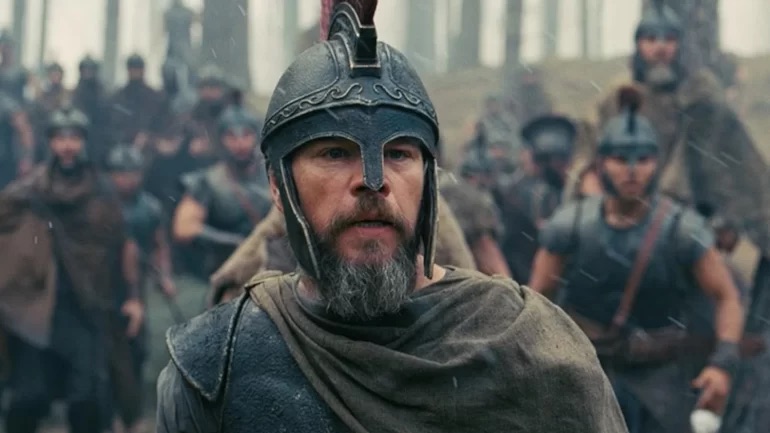
In one sentence: Following the Trojan War, Odysseus embarks on a perilous journey home, battling monsters, Gods and his own humanity along the way.
Few stories have shaped literature quite like Homer’s The Odyssey. More than 2,500 years after it was first told, Christopher Nolan brings one of history’s greatest adventures to the big screen, introducing its timeless themes of perseverance, homecoming and humanity to a new generation.
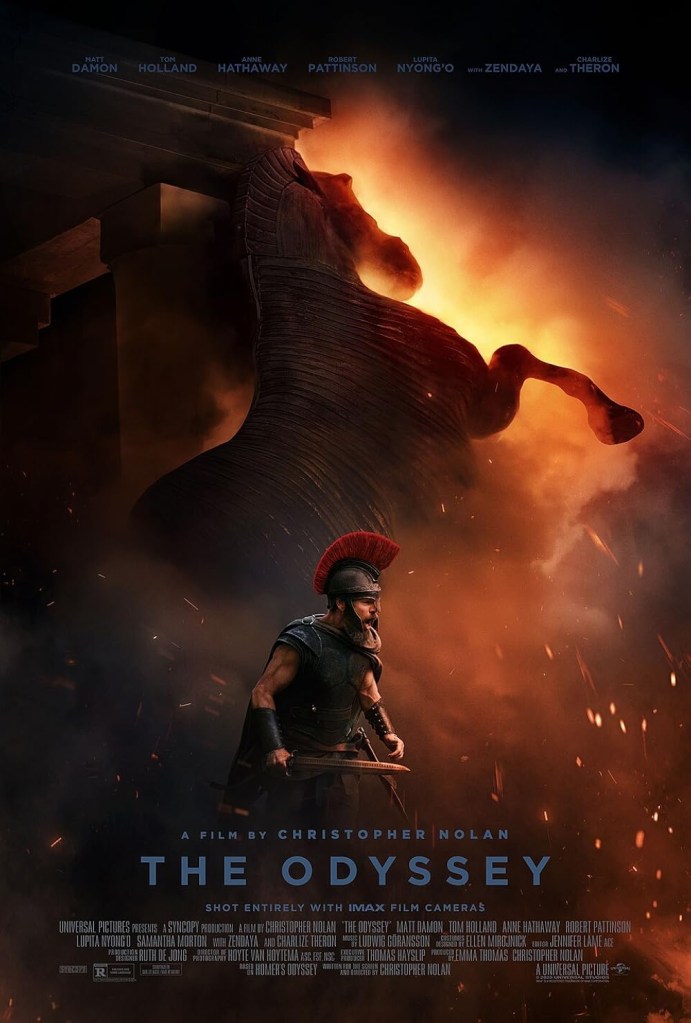
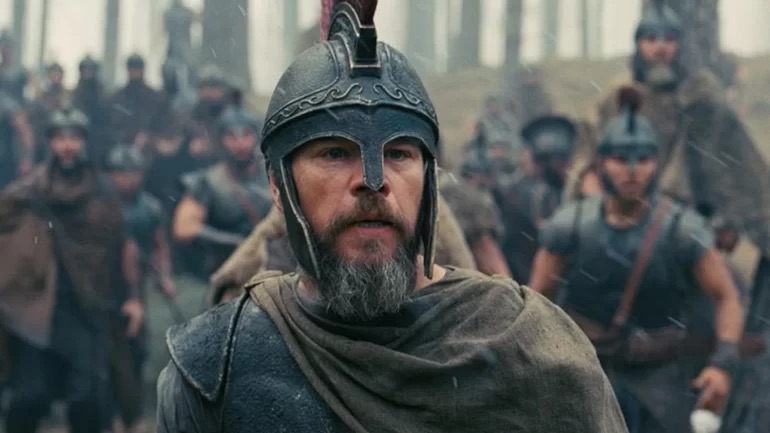
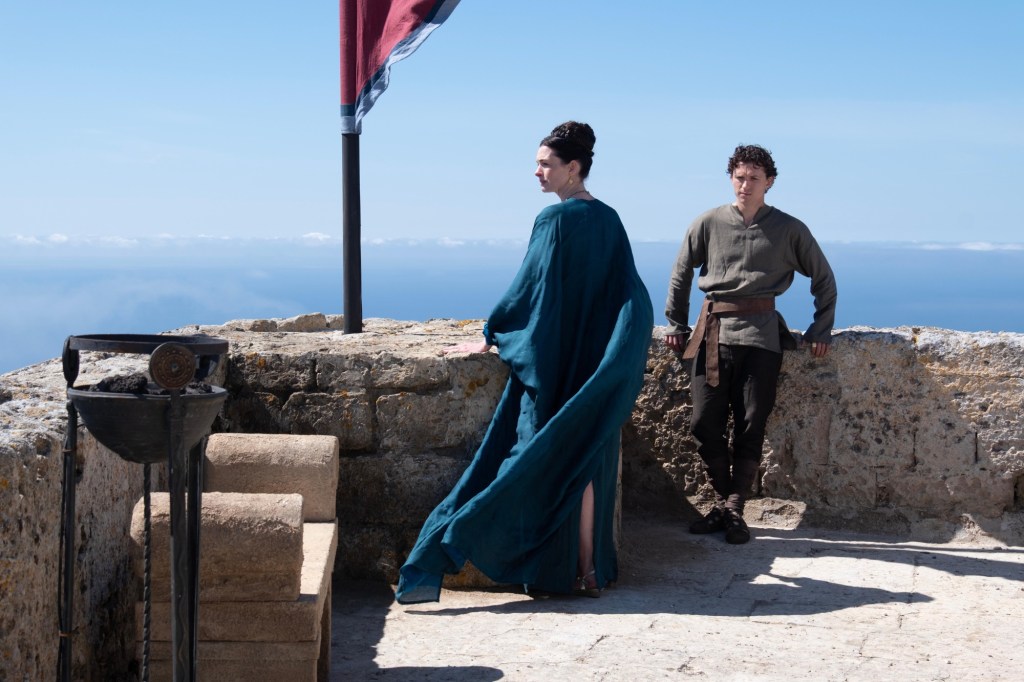
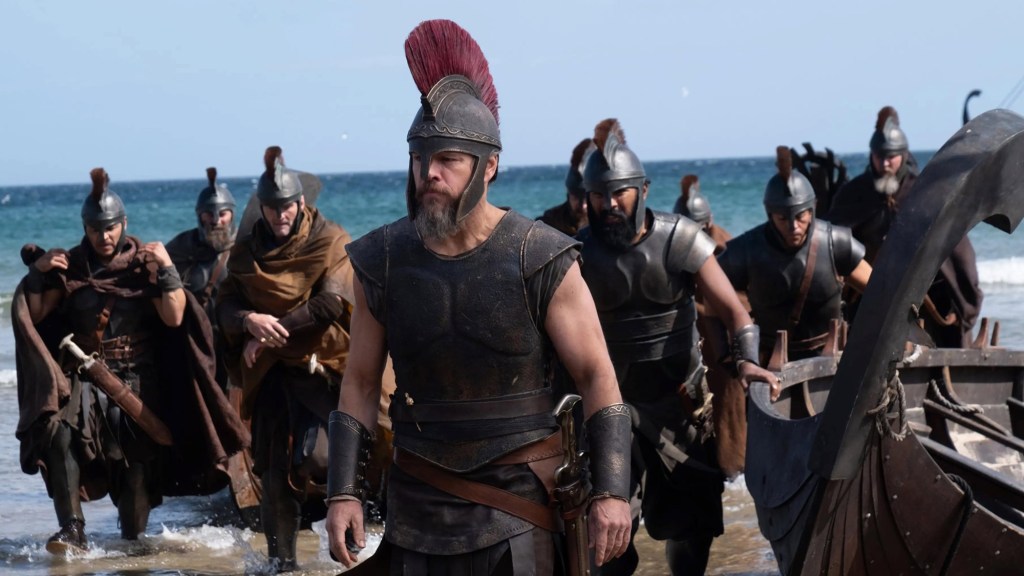
The film follows the well-known story in a non-linear fashion as Penelope (Anne Hathaway) and Telemachus (Tom Holland) grapple with the many suitors, including Antinous (Robert Pattinson), who abuse Zeus’ law of hospitality in a bid to marry Penelope and seize the throne of Ithaca. Meanwhile, Odysseus (Matt Damon) has been away from home for twenty years. Following a decade of conflict, fighting in the Trojan War under Agamemnon (Benny Safdie), Odysseus and his crew lose their way and face Gods, monsters and impossible trials as they struggle to return home.
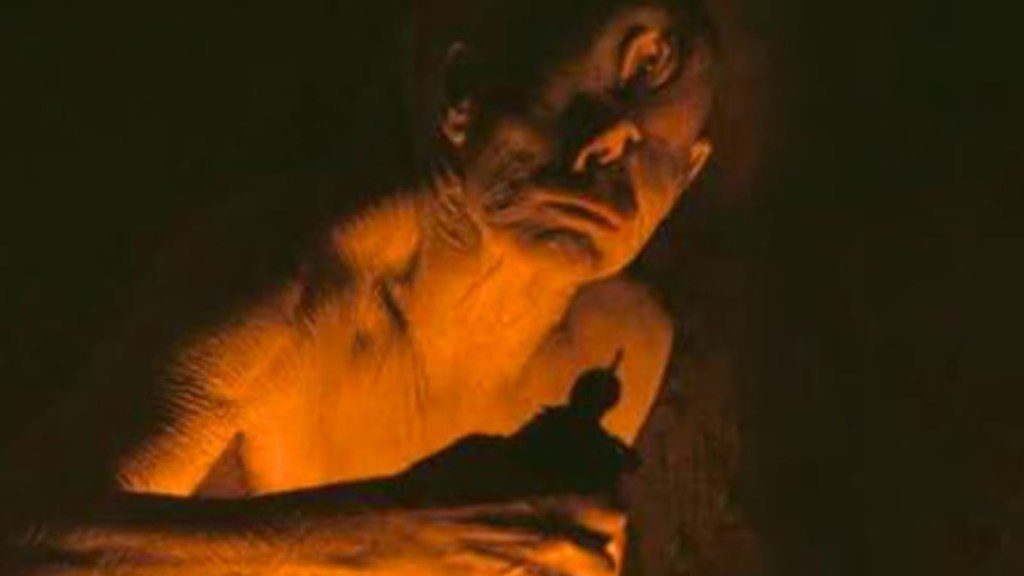
Christopher Nolan is renowned for his commitment to practical filmmaking and there is no denying how spectacular his approach is here. There are countless moments where CGI would have been the easier option, yet Nolan consistently opts for tangible effects. Nowhere is this more impressive than in the creation of the Cyclops, the first great obstacle Odysseus and his men encounter. The battles, mythical creatures and the burning city of Troy all feel astonishingly real, giving the film a gritty authenticity despite its fantastical subject matter. The sheer scale of the production cannot be underestimated and Nolan expertly draws the audience into a world that feels both grounded and mythical.
Ludwig Göransson’s score is equally remarkable. Having reportedly researched the sounds of Ancient Greece, he creates something that feels both authentic and entirely original. It is not simply the choice of instruments that stands out, but the way discordant tones steadily build tension and emotion. During the battle sequences in particular, the combination of music and sound design creates a genuine sense of urgency, fear and chaos, with the soundtrack reverberating through the cinema to produce an almost physical experience. The cinematography is equally immersive. From blazing sunlight and violent storms to the flickering firelight of Ithaca’s great hall, every setting feels rich with atmosphere. There are moments where the combination of sound and imagery became so evocative that you can almost smell the salt air, the smoke of burning cities and the forests of distant islands. This level of immersion is remarkably rare. Occasionally, some of the darker, faster battle scenes become difficult to follow, but this confusion arguably mirrors the chaos of combat itself.
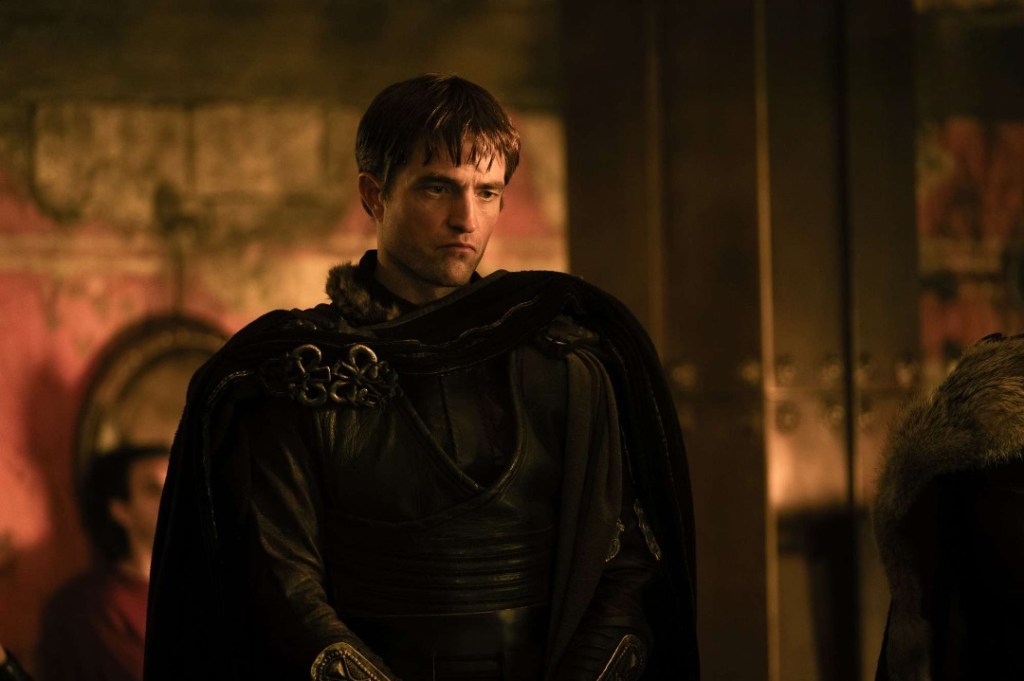
The cast is vast, although not every actor receives the screen time their billing might suggest. Matt Damon delivers an excellent performance as Odysseus, portraying a man pushed to his physical, emotional and psychological limits. It may well be one of the most demanding roles of his career. As he demonstrated in The Martian, Damon has the ability to command the screen even when largely alone, but here he proves equally compelling amongst an ensemble of great actors. Tom Holland’s role is far more substantial than I anticipated and he continues to demonstrate his range beyond the Marvel franchise. His chemistry with Robert Pattinson is particularly strong, with Pattinson creating a villain who is equal parts manipulative, cruel and cowardly. Elliott Page also makes a lasting impression in the comparatively small role of Sinon, bringing real pathos to a character whose fate is deeply affecting. Anne Hathaway delivers a quietly dignified performance as Penelope, although at times her understated delivery competes with the powerful soundtrack. Zendaya is well cast as Athena, whose guidance and strategic wisdom provide an important thread throughout Odysseus’ journey. With such a remarkable ensemble it is impossible to discuss everyone individually, but the performances consistently ensure the film has the emotional substance to match its visual spectacle.
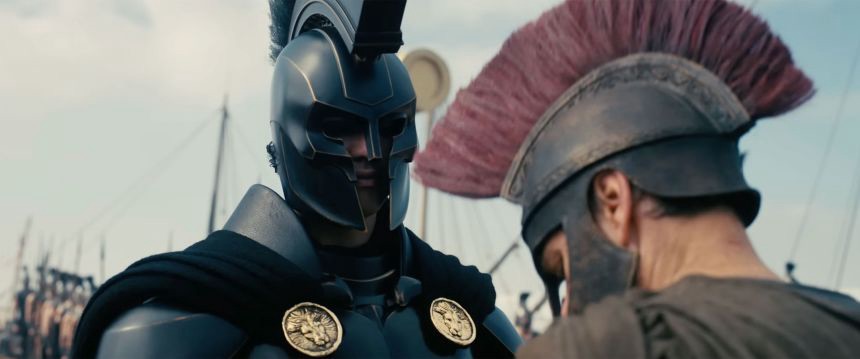
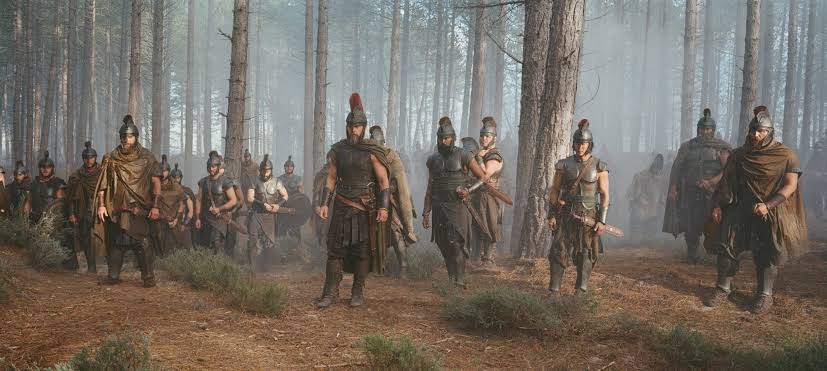
To the film’s credit, it does not shy away from the harsh realities of the period. Armour is battered, clothing is filthy and everyone appears convincingly weathered by years of hardship. The Trojan Horse sequences, in particular, acknowledge the practical realities of hiding an army inside such a structure. The only element that occasionally broke the illusion? A surprising number of remarkably white teeth.
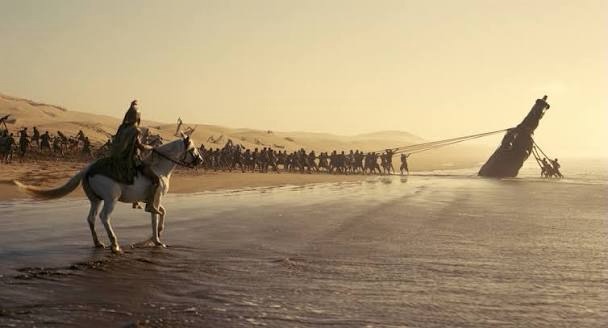
One of the film’s most memorable achievements is the way it reimagines iconic moments without losing their familiarity. I had always imagined the Trojan Horse being wheeled into Troy, whereas Nolan presents it as a towering structure stood on two legs. It is a clever reinterpretation (with its initial positioning on the beach reminiscent of the original Planet of the Apes) that allows the film to make its own mark on one of history’s most famous stories while still respecting the original.
Another strength is the screenplay’s accessible language. Although rooted in Greek mythology, the dialogue feels natural and easy to follow, helping to remove any intimidation that such a famous literary work might otherwise carry. It strikes a thoughtful balance between respecting the source material and speaking to a modern audience.
While many viewers will recognise the Trojan Horse or the Cyclops, fewer might know the full story of Odysseus’ journey. If Nolan’s adaptation encourages audiences to discover Homer’s original work or delve deeper into Greek mythology, then it has achieved something beyond entertainment. For me, cinema is at its best when it inspires audience curiosity.
At just under three hours, The Odyssey genuinely feels like an epic journey. Not because it drags, but because so much happens along the way. Nolan’s non-linear storytelling demands the audience’s attention and, while some familiarity with the source material is undoubtedly helpful, the structure is not confusing. With so many characters and locations to introduce, there is a lot to absorb, but I remained engaged throughout.
Ultimately, The Odyssey is everything an epic should be. It is visually spectacular, emotionally engaging and impressively ambitious, while never losing sight of the human story at its centre. Nolan has taken one of the oldest stories ever written and made it feel immediate, accessible and thrilling. It is a film that deserves to be experienced on the biggest screen possible and, for me, stands as Christopher Nolan’s finest work to date.
★★★★½ (4.5/5)

