
In one sentence: An ageing wedding singer and a fading pop star discover that one song has the power to change both of their lives.
Success in music is rarely straightforward. Talent alone is not always enough and timing, opportunity and a little luck can often prove just as important. John Carney’s Power Ballad explores what happens when two musicians whose careers have taken very different paths collide.
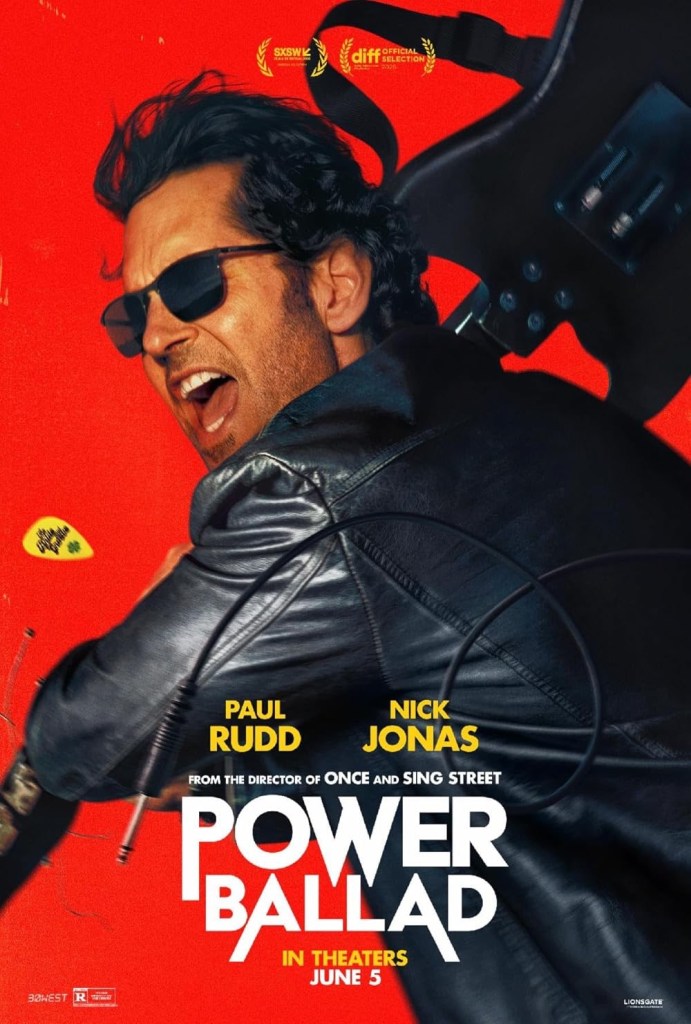
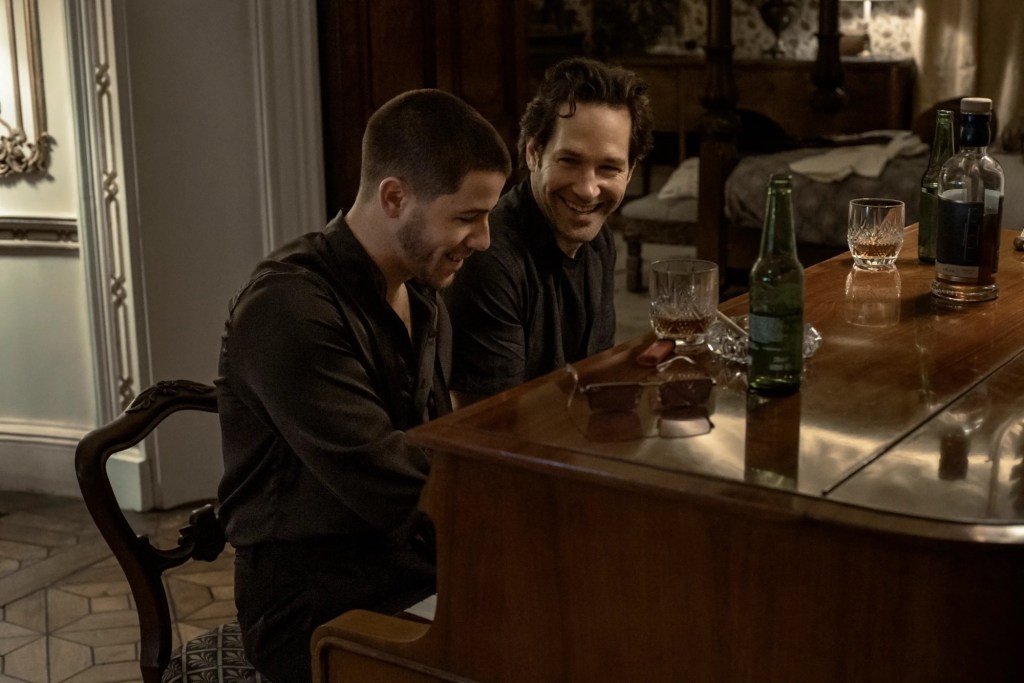
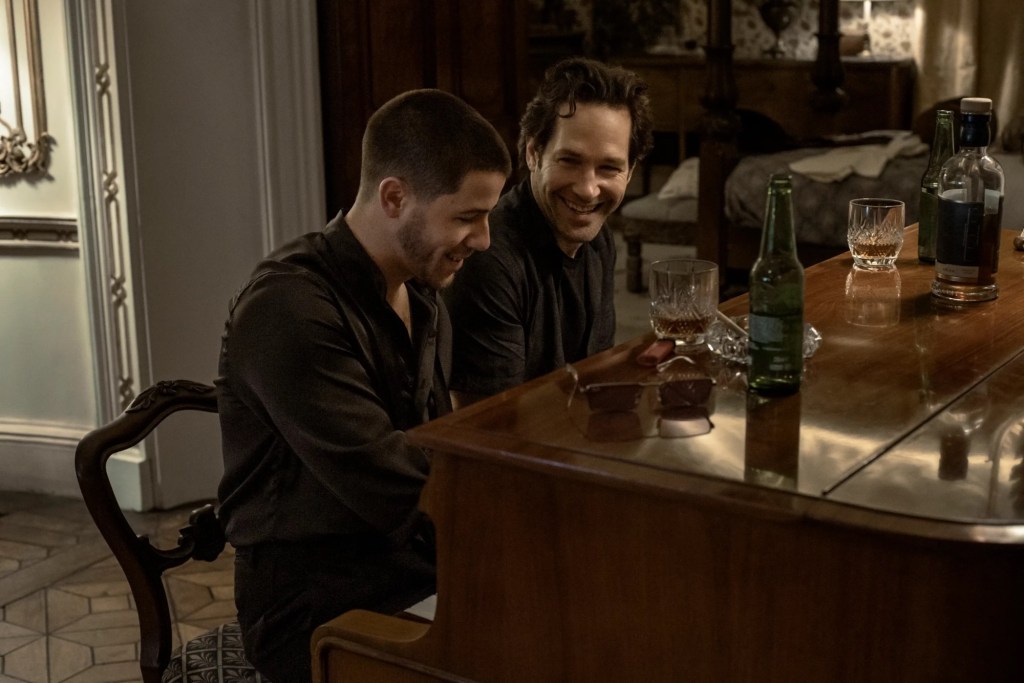
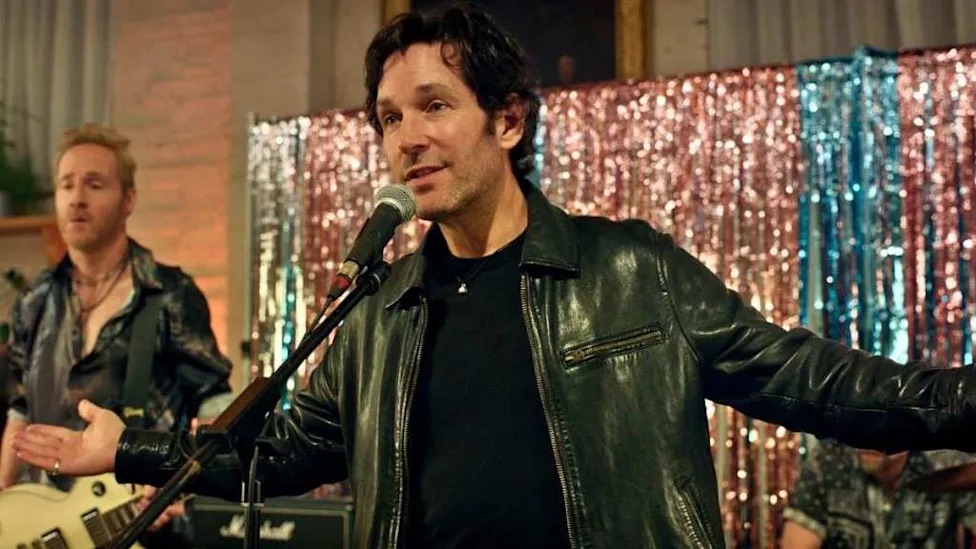
The film follows Rick (Paul Rudd), a wedding singer in Ireland whose music career has never quite turned out as he had hoped. While performing at a wedding, he meets former boy band star, Danny Wilson (Nick Jonas), and the two Americans quickly strike up a friendship, spending the night playing music together. Rick shares a song he has been quietly working on for years and, when Danny later struggles to find a hit for his comeback, he reworks Rick’s unfinished song into a chart success. What follows is an entertaining exploration of creativity, ambition and the complicated relationship between artistry and success.
Like all of John Carney’s films, music lies at the heart of the story. Power Ballad brings together many of the qualities that have made his previous films so memorable. The film sits somewhere between the rough sincerity of Once and the more polished feel of Begin Again, while even including a pleasing nod to Once through the appearance of a busker singing Falling Slowly. It feels like Carney is returning to his Irish roots, while comfortably blending them with an American story. The result is neither gritty nor glossy but comfortably human.
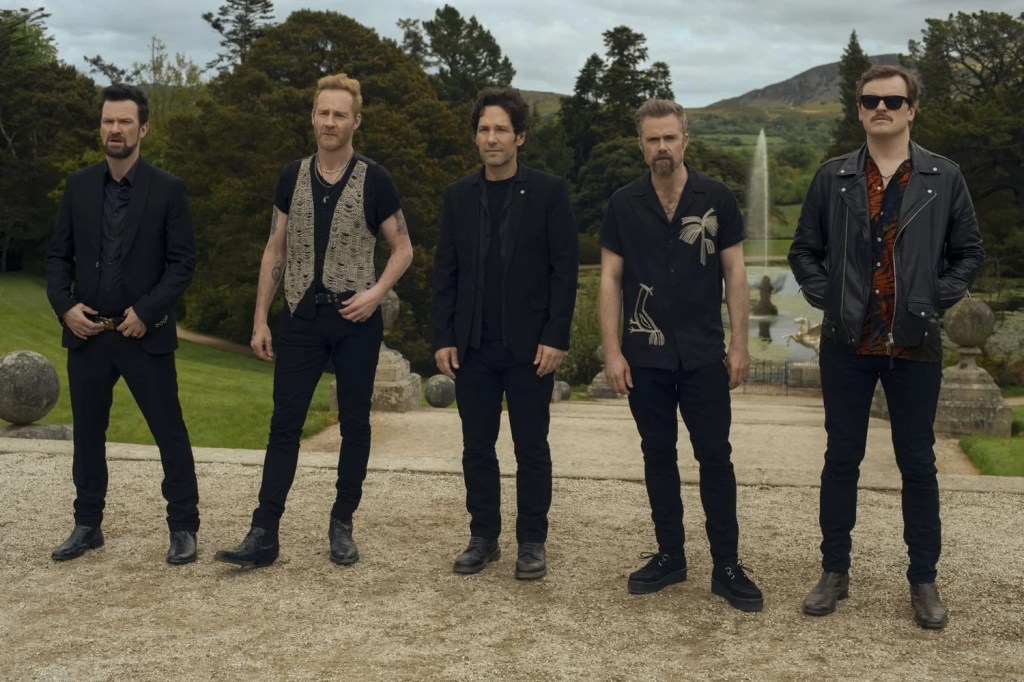
The music itself is one of the film’s greatest strengths. Paul Rudd proves to have a surprisingly warm singing voice and performs the musical numbers with real charm, while Nick Jonas brings a polished pop sensibility that perfectly suits Danny’s character. As members of Rick’s wedding band The Bride and Groove perform countless familiar songs, one amusingly describes them as “human jukeboxes”, and the soundtrack becomes packed with toe-tapping favourites. The original songs are equally enjoyable, even if they may not linger in quite the same way as in previous Carney films. The standout and main track, How to Write a Song Without You, works particularly well because both Rick and Danny perform it, offering two very different interpretations. I have found myself listening to it several times afterwards and it has quickly became something of an earworm.
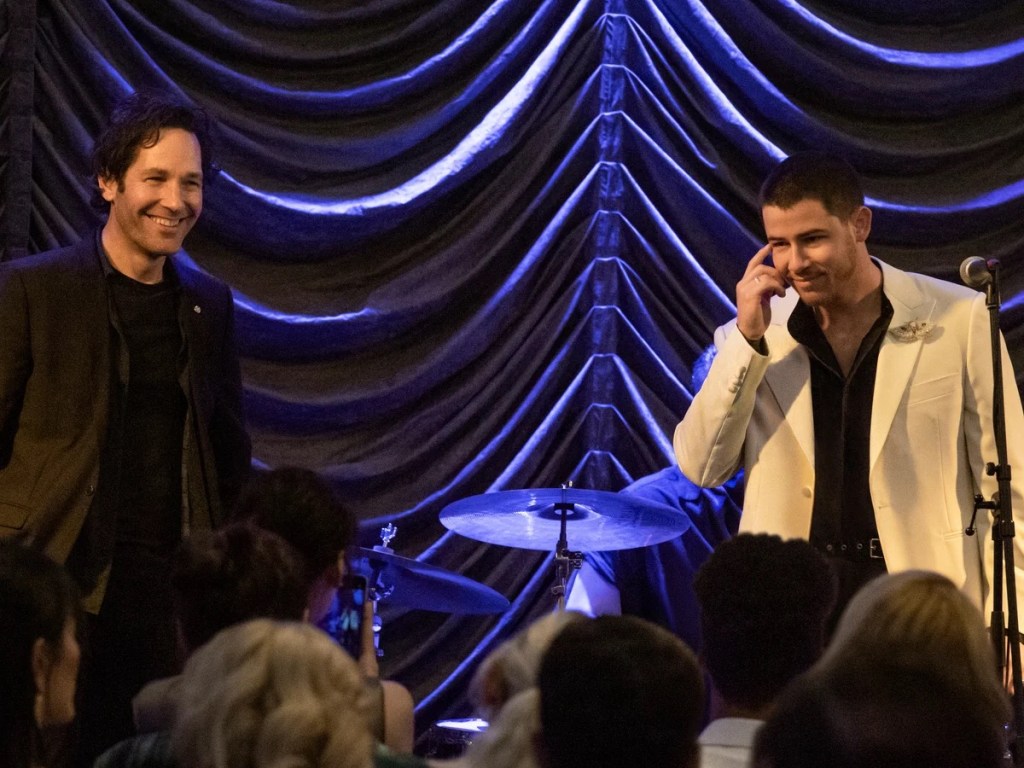
The performances are excellent throughout. Paul Rudd is effortlessly likeable as a musician whose dreams have slipped away and, despite his sometimes questionable behaviour, the audience remains firmly on his side. His growing frustration as those around him dismiss or even gaslight his concerns is genuinely affecting. Danny, meanwhile, is never presented as a straightforward villain. The film explores the immense pressure of attempting a comeback and the expectations placed upon artists by both management and the public. While I never fully understood why Danny couldn’t simply acknowledge Rick’s contribution with a songwriting credit, Nick Jonas gives the character enough vulnerability to make him feel believable. Having experienced both boyband success and a solo career himself, Jonas brings an authenticity to the role. Jack Reynor, returning to work with Carney after Sing Street, demonstrates his versatility once again in a role very different from his previous collaboration with the director. The supporting members of Rick’s band also provide welcome humour and I found myself wishing we had spent even more time with them.
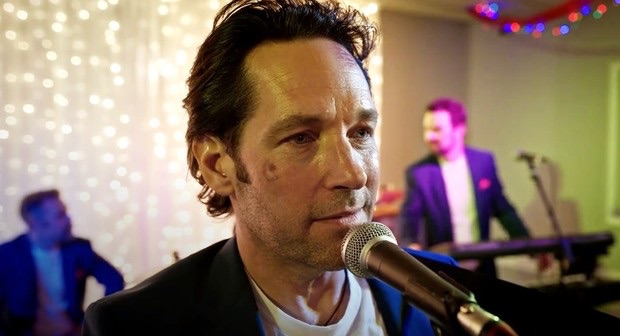
One of the film’s strongest themes is the ethics surrounding artistic ownership. Music is deeply personal and songs often become extensions of the people who write them. Rick’s song represents years of his life, making Danny’s decision to claim it feel like more than simple plagiarism. The film asks whether success is ever worth sacrificing integrity.
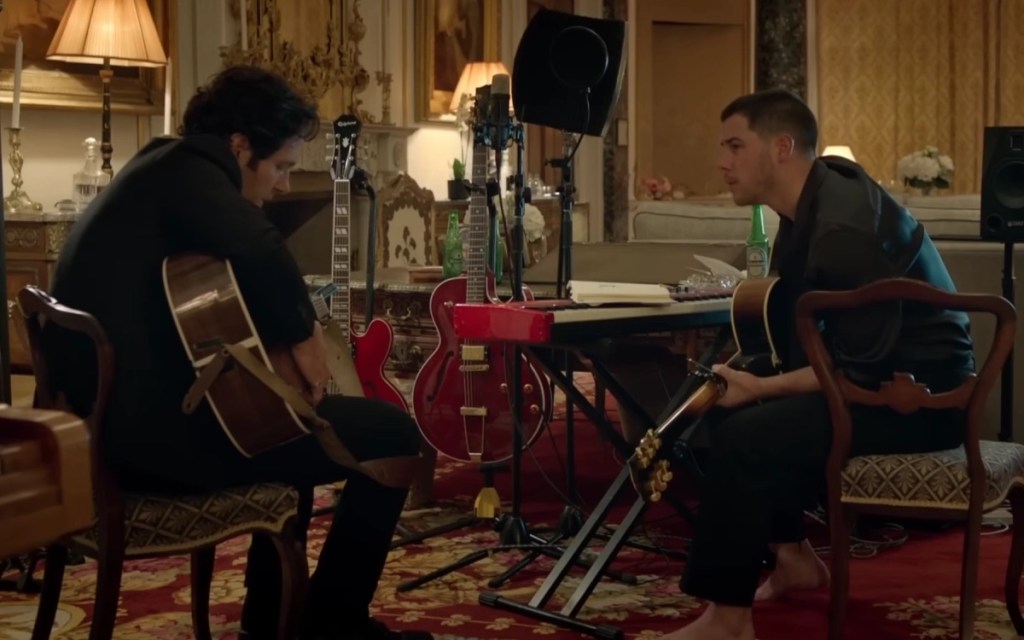
Rick’s enduring passion for music plays an important role in both his identity and his relationships with his wife and daughter. Too often he feels tolerated rather than truly heard and the film offers an interesting perspective on ageing musicians, family responsibilities and the sacrifices that accompany growing older. Rick’s journey of self-discovery contrasts beautifully with Danny’s own story, which suggests that life at the top can often be unexpectedly lonely. Their shared love of music, despite their very different personalities, creates an engaging chemistry that carries the film from beginning to end.
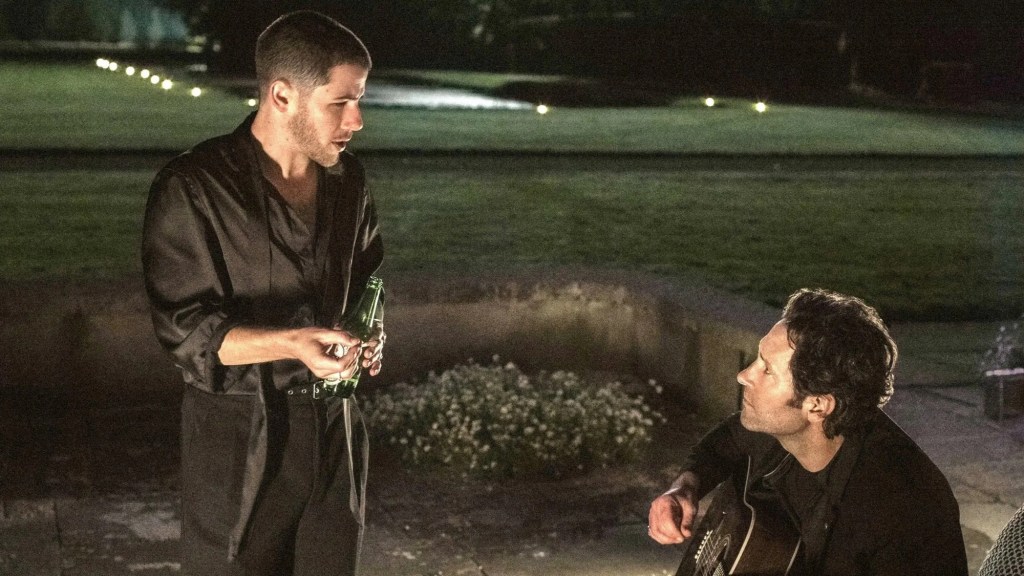
At a lean 98 minutes, Power Ballad never outstays its welcome. The pacing is brisk, the music keeps the momentum flowing and the performances ensure the film remains engaging throughout. I suspect this is one of those films that will quietly find an audience over time rather than making an immediate splash. It may not be a blockbuster, but it has all the qualities of a hidden gem. At a time when so many dramas feel relentlessly bleak, Power Ballad is a welcome breath of fresh air.
Ultimately, Power Ballad is another charming addition to John Carney’s filmography. It shares the warmth, humanity and enduring love of music of Once and Sing Street. Anchored by two immensely engaging performances from Paul Rudd and Nick Jonas, it is a heartfelt reminder that success isn’t always measured by fame, but by the joy of continuing to create.
★★★½ (3.5/5)

