
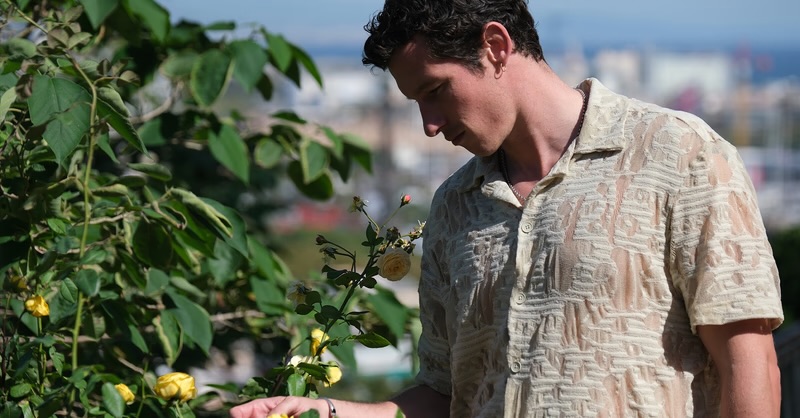
In one sentence: The arrival of an outsider unsettles a wealthy family’s already fragile relationships, exposing long-buried tensions and uncomfortable truths.
A great cast can often be enough to tempt you into a film, raising expectations long before the opening scene. Unfortunately, Rosebush Pruning is a reminder that even exceptional actors cannot always rescue a script.
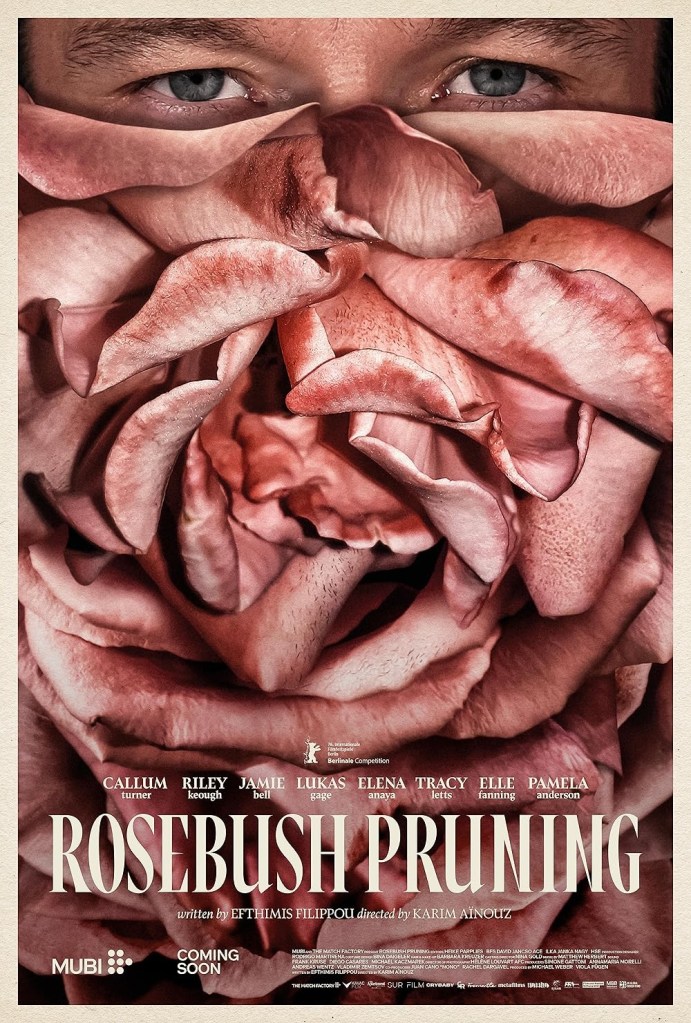
The film follows an affluent American family living in Spain whose lives revolve around wealth, status and appearances. We primarily follow Ed (Callum Turner), a curious young man who casually tells us early on that his best friend is a Greek man he met only ten days earlier. Alongside his sister (Riley Keough), brothers Jack (Jamie Bell) and Robert (Lukas Gage) and their father (Tracy Letts), the family live in the shadow of their mother’s (Pamela Anderson) death, who has been killed by a pack of wolves. When Jack introduces his girlfriend, Martha (Elle Fanning), her arrival quietly disrupts the already fragile balance within the family.
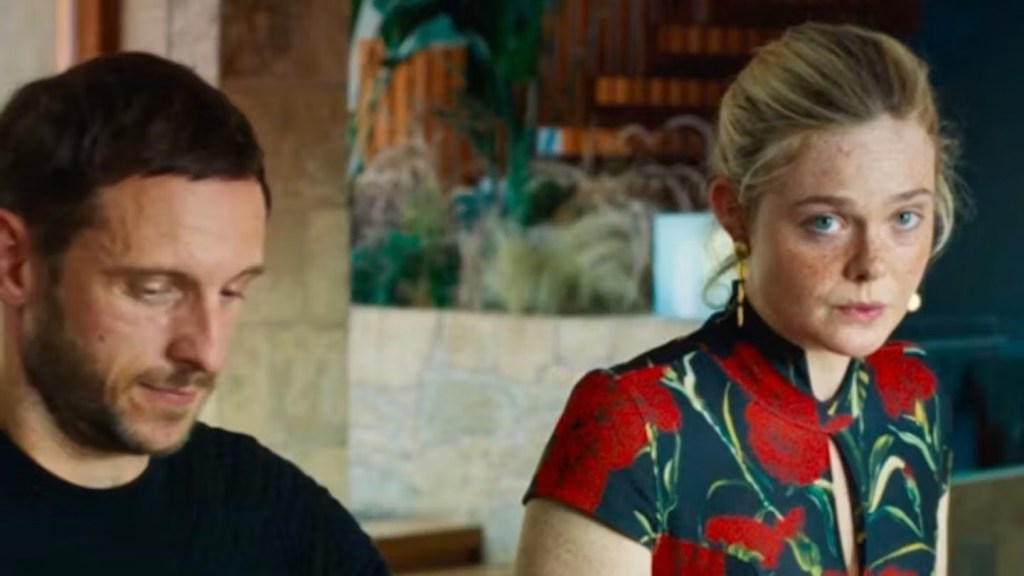
With such an accomplished cast, it is difficult not to wonder what first attracted them to the screenplay because, despite flashes of intriguing ideas, the narrative never fully takes shape. The film often feels more interested in creating striking images than telling a compelling story. Visually, however, it is impressive. The sun-drenched landscapes of Catalonia are beautifully filmed and the recurring imagery of the rosebush, with its pruning, stems and flowers, provides an effective metaphor. Unfortunately, these ideas never seem to grow into anything particularly meaningful, leaving symbolism that feels more decorative than purposeful.
The film appears to be satirising wealth, privilege and emotional emptiness, yet never explores these ideas deeply enough to leave a lasting impression. Knowing that the writer previously collaborated with Yorgos Lanthimos, the influence is easy to recognise. The same blend of absurdity, discomfort and social satire is present throughout. Admirers of Lanthimos’ distinctive style may well find more to appreciate here, but I found that the film’s eccentricity too often came at the expense of emotional engagement. It felt less like an exploration of its themes and more like a collection of provocative moments.
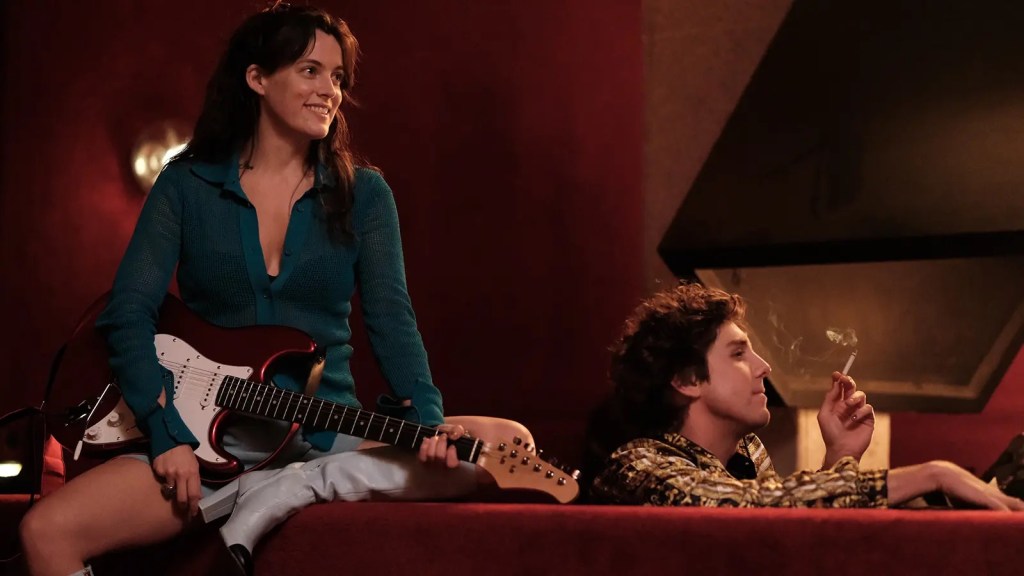
The performances are consistently strong and are ultimately what keep the film watchable. The cast fully commit to the material, even when the characters themselves are difficult to understand or empathise with. The family orbit around Jack in increasingly warped ways, expressing affection through childish behaviour, manipulation and uncomfortable sexual advances. I suspect the film intends to critique these dysfunctional relationships, perhaps through satire, but the emotional grounding never quite materialises. Instead, many of the film’s most shocking moments feel designed primarily to provoke rather than deepen our understanding of its characters. There were several occasions where I audibly gasped or even looked away.
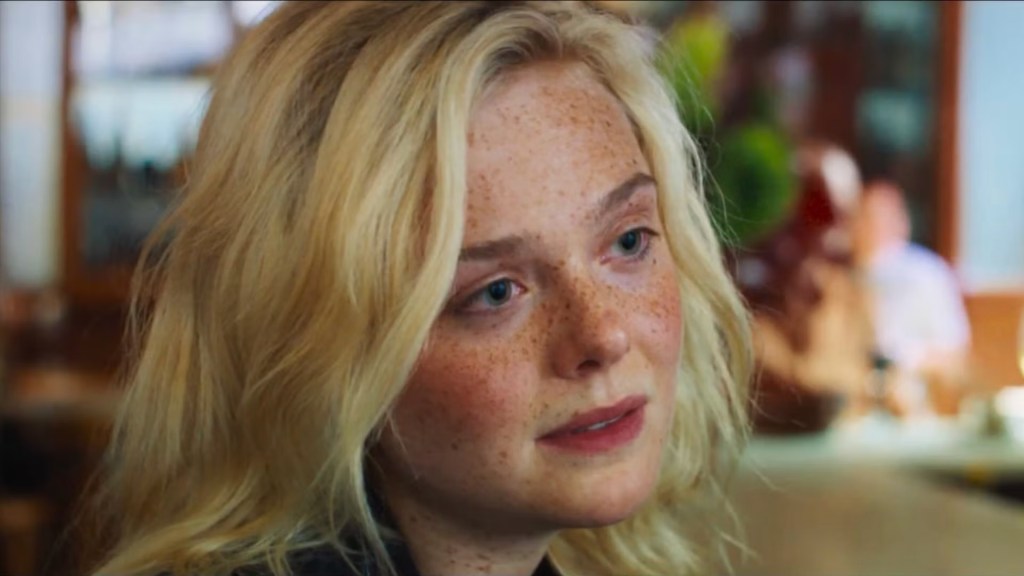
Ironically, the ingredients for an engaging drama are all present. A talented ensemble, an outsider entering an affluent family, beautiful Spanish locations and intriguing symbolism all suggest the potential for something memorable. Yet the film never seems willing to commit to a clear narrative or thematic direction. I couldn’t help feeling that a more conventional approach might actually have allowed its ideas to resonate more powerfully.
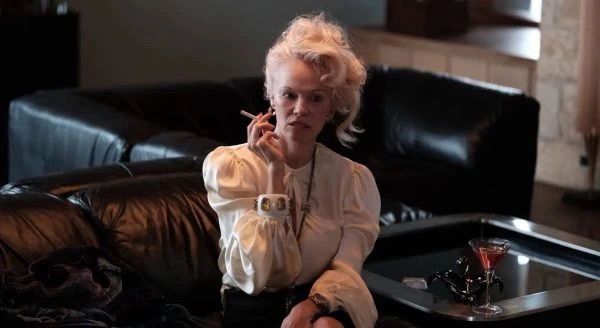
The score reinforces the film’s unsettling atmosphere, combining abrasive synth with traditional Spanish music to create a deliberately uncomfortable soundscape. Heavy bass notes often generate a looming sense of dread and, while this occasionally proves effective, it also contributes to a viewing experience that can feel relentlessly oppressive.
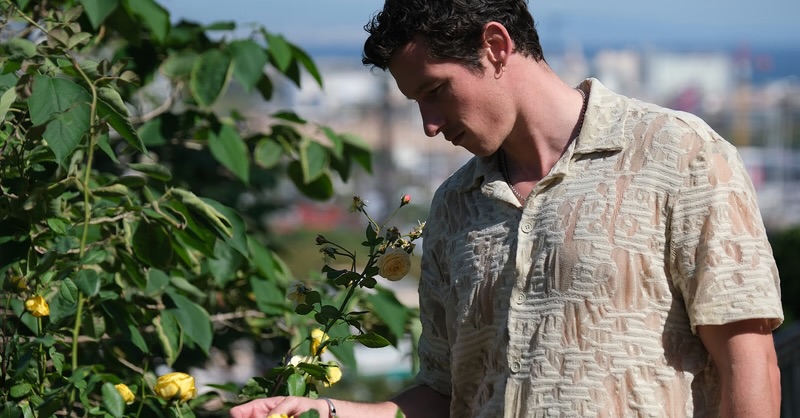
Ultimately, Rosebush Pruning is an ambitious film that mistakes provocation for depth. Despite its exceptional cast, striking cinematography and flashes of intriguing symbolism, it never develops its ideas into a satisfying whole. Experimentation has an important place in cinema, but here the style overwhelms the story, leaving behind a film that is visually memorable but emotionally hollow.
★ (1/5)

