

In one sentence: A grieving woman continues leaving voicemails for her late sister, unknowingly forging a connection with the man who now receives them.
Rom-coms are often built around missed connections, chance encounters and fate. Voicemails for Isabelle takes this familiar formula but adds a poignant twist by placing grief at its centre. While the film ultimately delivers the romance audiences expect, its emotional core lies in the bond between two sisters and the lasting impact of losing someone you love.

The movie follows Jill (Zoey Deutch), whose younger sister, Isabelle (Ciara Bravo), suffers from cystic fibrosis. The two share an incredibly close bond and, with Jill living in San Francisco pursuing a career as a cook, much of their adult relationship is maintained through phone calls. When Isabelle dies, Jill is devastated. Struggling with her grief, she begins leaving voicemails on her sister, talking through the chaos of her life, including her endless run of unsuitable men. What Jill does not realise is that Isabelle’s number now belongs to Wes (Nick Robinson) as his new work phone. Initially confused by the messages, Wes gradually becomes entertained by Jill’s stories and increasingly invested in her life. When he discovers the truth about Isabelle, he feels compelled to reach out. What follows is a complicated and unconventional love story built upon loss, misunderstanding and an unexpected connection.
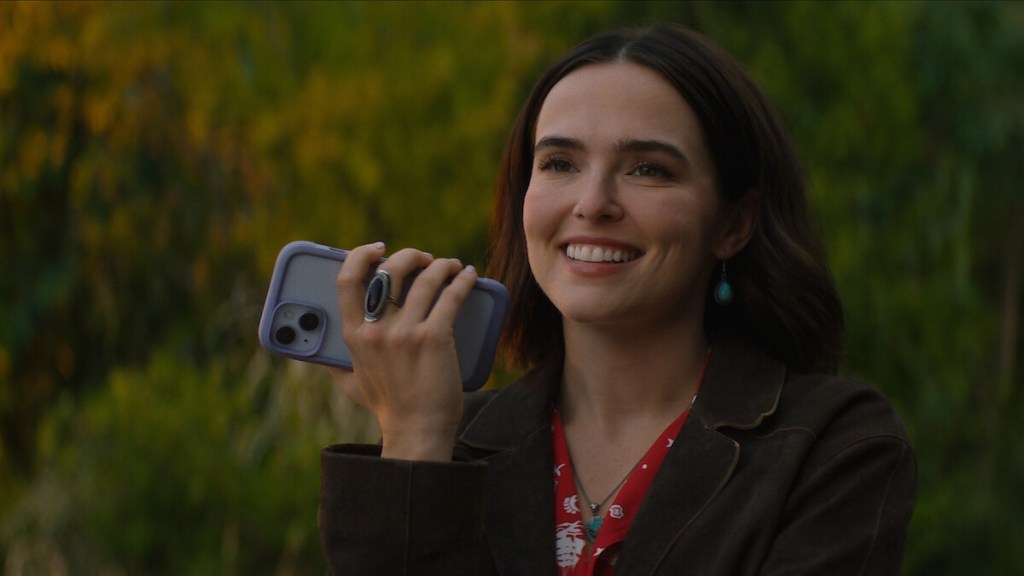
The premise is not entirely original and bears some similarities to Love Again starring Priyanka Chopra Jonas and Sam Heughan, albeit with a number of key differences. Nevertheless, it is the kind of concept that rom-com fans are likely to embrace. The film is anchored by two experienced leads in Zoey Deutch and Nick Robinson, whose chemistry is immediately believable. While both actors carry their roles well, Jill occasionally feels written to be quirky in a way that romantic comedies often assume men will find irresistibly charming. She frequently has with her mouth full of food and is later described by Wes as a “sexy chipmunk”. I am all for women being allowed to enjoy food on screen rather than endlessly ordering salads on dates, but some of these moments felt a little too self-consciously quirky. Wes, meanwhile, feels more grounded, although his transformation from emotionally distant workaholic to being completely consumed by Jill happens rather quickly. Perhaps love really can change people that much, but the transition occasionally stretches credibility.

I have always liked Nick Robinson as an actor. I still remember him playing Ryder in Melissa & Joey, and he has quietly built an interesting and varied filmography since then. A Netflix release of this scale could well introduce him to a broader audience, particularly as many of his more recent projects have flown somewhat under the radar.

Netflix is fortunate to have released this so soon after Office Romance, which I found to be a complete swing and a miss. Voicemails for Isabelle is a much stronger effort with considerably broader appeal. The film handles death with tenderness and sincerity, largely through its portrayal of Jill and Isabelle’s relationship. The emotional wound at the centre of the story is not the absence of a romantic partner but the loss of a sister. This gives the film a depth that many rom-coms lack and allows Zoey Deutch to demonstrate a range that extends far beyond comedy. She is particularly impressive during the film’s more emotional moments.
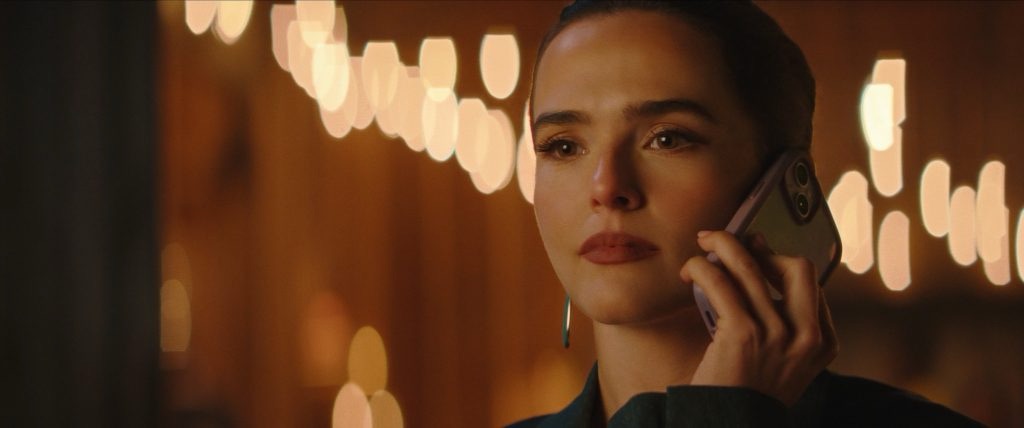
The movie is not entirely consistent in tone, however. It frequently switches between heartfelt drama and broad comedy through characters such as Nick Offerman’s eccentric chef Bastien and Jill’s unbearable colleague Arthur (Lukas Gage). While I understand the need for comic relief, some of these scenes felt disconnected from the central story and occasionally distracted from the film’s strongest elements. This was particularly frustrating because both Offerman and Gage are talented performers who have delivered excellent work elsewhere, yet neither feels especially well served by the material here.
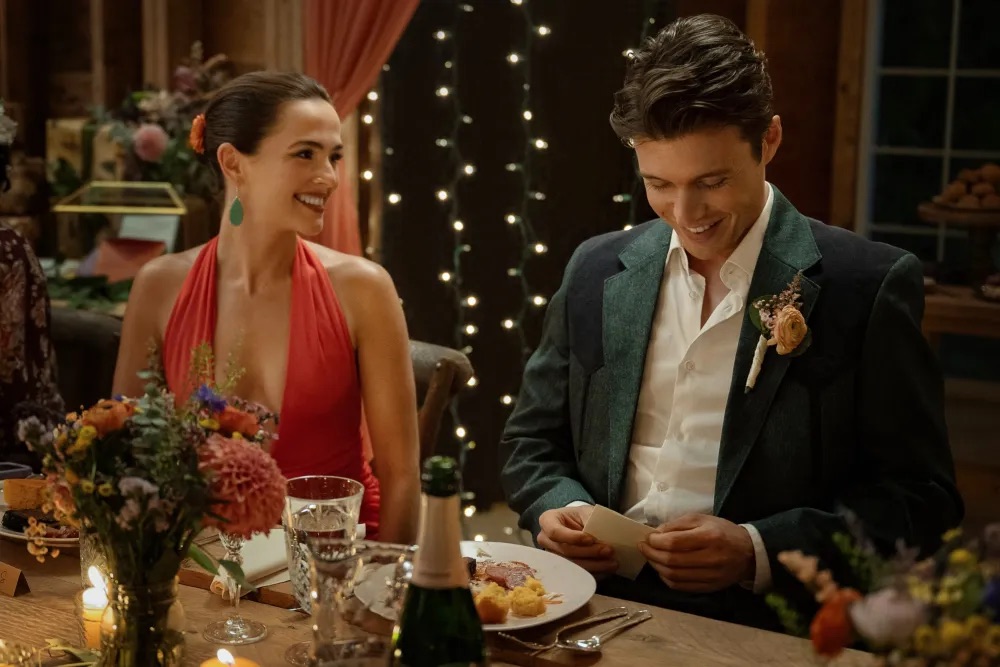
Visually, the film is polished and has a great soundtrack. It clearly pays homage to the romantic comedies of the late 1990s and early 2000s. References to Meg Ryan feel deliberate and there is more than a little You’ve Got Mail in its DNA. At the same time, the film modernises the genre through its use of podcasts, social media and discussions around influencer culture. It also touches on the double standards of influencers, helping the story feel contemporary despite embracing many classic rom-com tropes.

Ultimately, Voicemails for Isabelle is a solid romantic comedy. The humour does not always land and some supporting storylines feel unnecessary, but the emotional core is strong enough to carry the film through its weaker moments. More importantly, it understands that the best romances are not just about finding someone new, but about finding a way to move forward after loss.
★★★ (3/5)

