
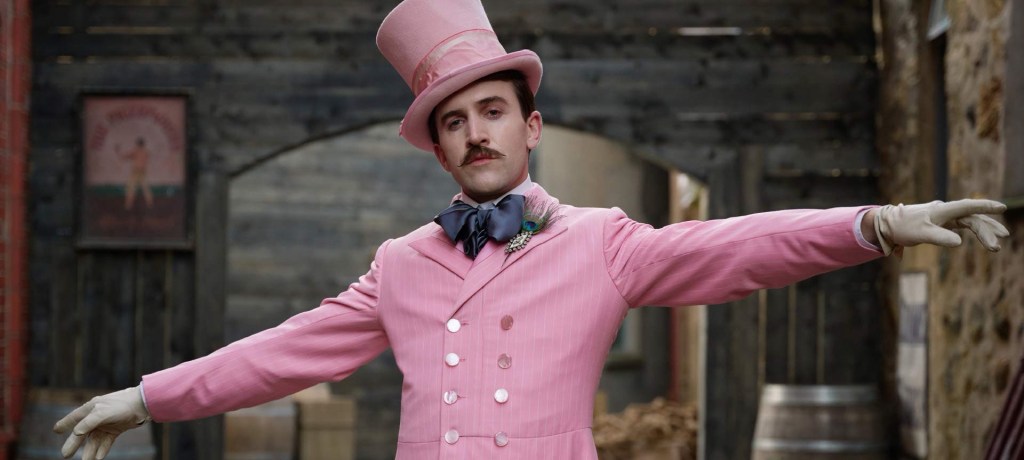
In one sentence: A flamboyant Welsh aristocrat inherits a vast fortune and spends it pursuing art, performance and self-expression, regardless of the cost.
It is not often that you get the opportunity to watch a Welsh film in the cinema, so when the chance presents itself, it is worth grabbing with both hands. For such a small country, Wales has a rich history and a remarkable cultural heritage and Madfabulous shines a light on one of its most extraordinary historical figures.
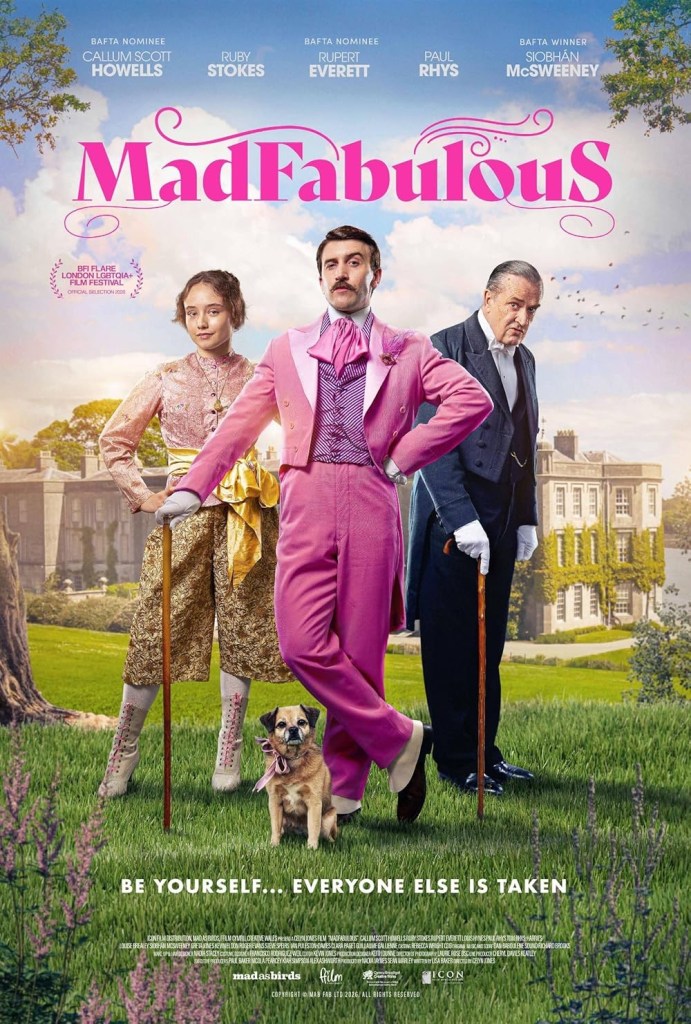
The film tells the true story of Henry Paget (Callum Scott Howells), the fifth Marquess of Anglesey, a man who famously squandered a vast fortune in spectacular fashion. Raised in France and suffering from consumption (tuberculosis), Henry returns to Anglesey and its grand family estate hoping to reconnect with his father. Blessed with immense wealth, he quickly strikes up a friendship with his cousin Lily (Ruby Stokes) and throws himself into a life of performance, extravagance and self-expression. His flamboyant nature, love of performance and disregard for convention make him both admired and misunderstood. Known as ‘The Dancing Marquess’, Henry is a larger than life figure whose story feels almost too extraordinary to be true. Alongside him is his loyal butler Gelert (Rupert Everett), who remains a constant in his increasingly chaotic life.
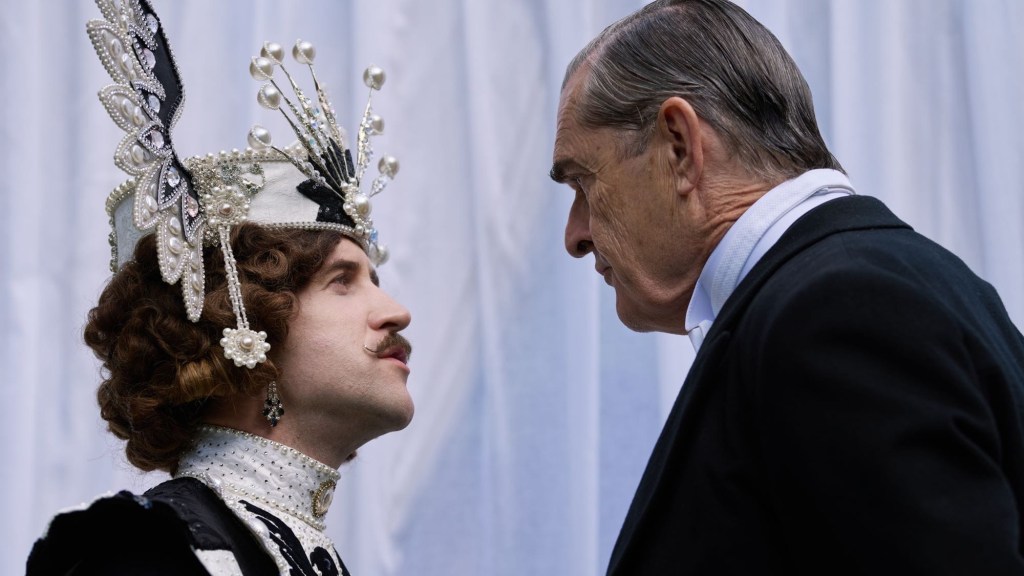
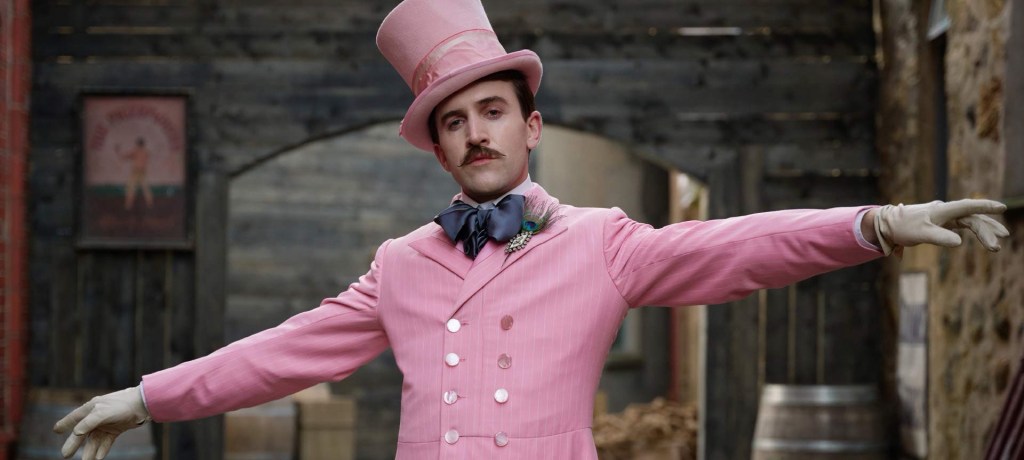
The story is almost too extraordinary to believe, yet the most remarkable aspect is that it is true. Callum Scott Howells does an excellent job bringing Henry to the screen. His performance is energetic, extravagant and layered, capturing both Henry’s charisma and his vulnerability. The photographs shown during the credits highlight the outstanding work of the costume department, whose recreations are strikingly faithful to the real figure.
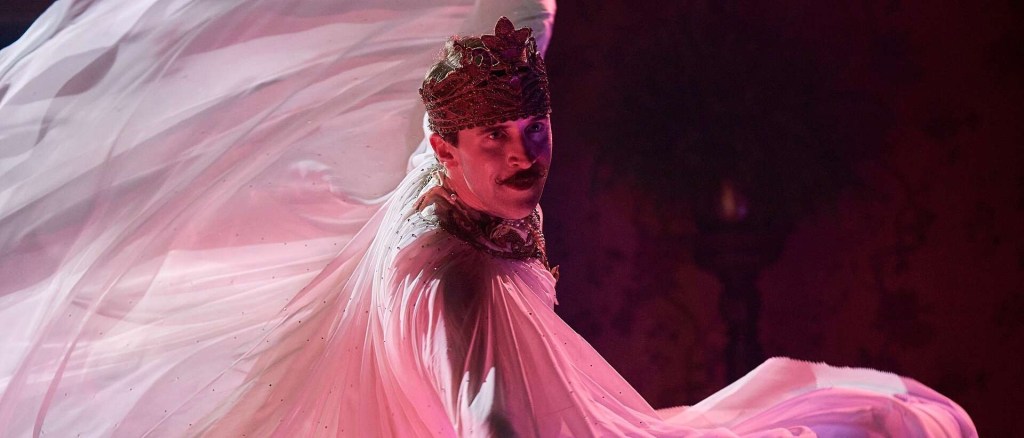
Released during Pride Month, the film also feels particularly timely. At its heart is a story about identity, acceptance and the importance of living authentically. Henry’s refusal to conform to society’s expectations makes him a fascinating protagonist and Howells fully embraces every aspect of the role. Rupert Everett is equally enjoyable as Gelert, bringing warmth, humour and loyalty to the character, while Ruby Stokes gives a strong performance as Lily, whose affection for Henry is often complicated by the consequences of his actions.
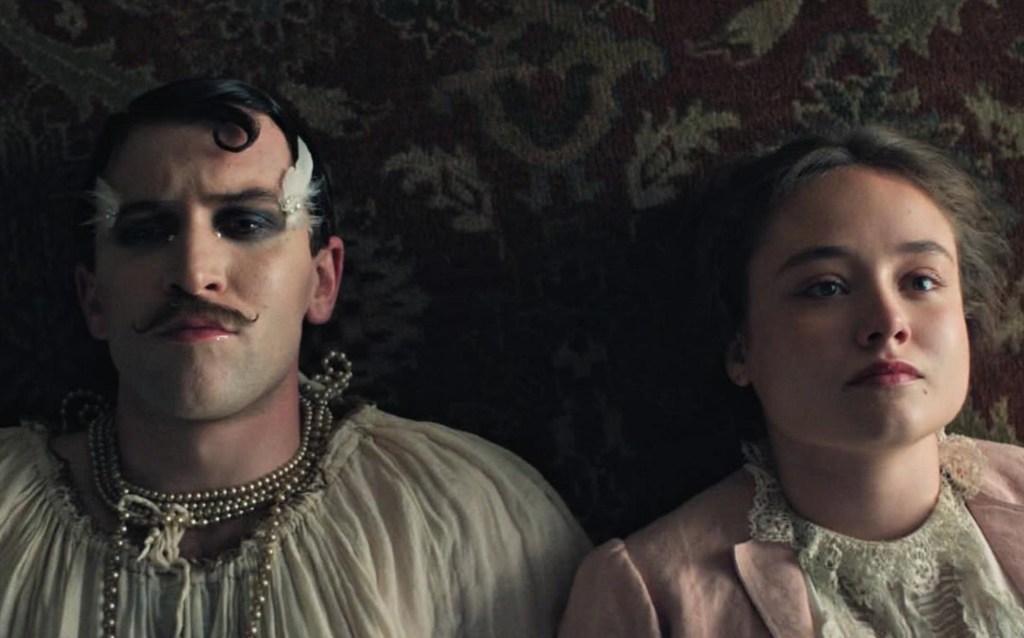
One of the film’s most enjoyable touches is its inclusion of Welsh folklore. Gelert explains that he was named after the legendary dog of Prince Llywelyn, who was wrongly killed after being mistaken for harming his master’s baby when he had in fact saved it from a wolf. It is a story familiar to many Welsh audiences but perhaps less so elsewhere and its inclusion adds another layer of cultural richness. The choice of name is also interesting given Gelert’s position as a butler as it speaks both to loyalty and sacrifice.
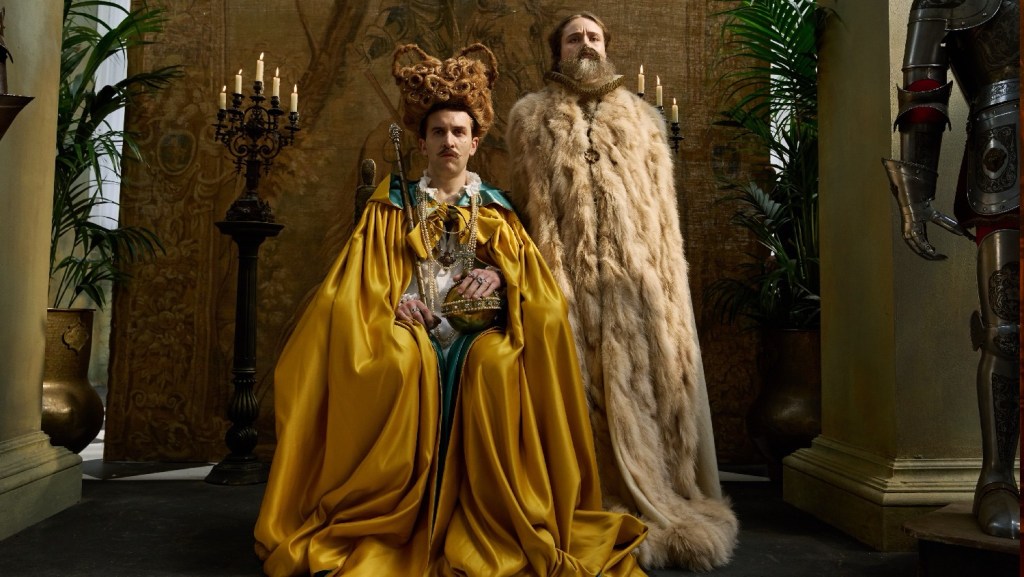
Visually, the film is a feast. The castle grounds, elaborate costumes, jewellery and makeup burst with colour and personality. This extravagance is contrasted nicely with quieter moments where Henry struggles emotionally. The movie leans into the changing Welsh weather. One particularly amusing line as sunshine suddenly gives way to torrential rain earned a good laugh from me.
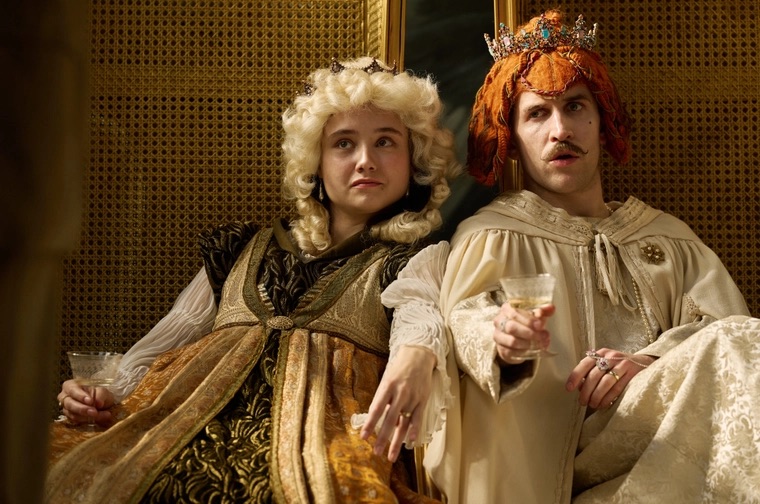
Eagle-eyed viewers will spot a number of familiar Welsh faces throughout the supporting cast. Actors such as Steve Speirs bring humour and charm, while Paul Rhys and Tom Rhys Harries make effective antagonists. There is even a nice connection to history in the casting of Clara Paget, daughter of the 8th Marquess of Anglesey, in a small role. The performances throughout are intentionally heightened and occasionally camp, but this suits the film’s style perfectly. This is not a conventional period drama but one that embraces theatricality and flair.
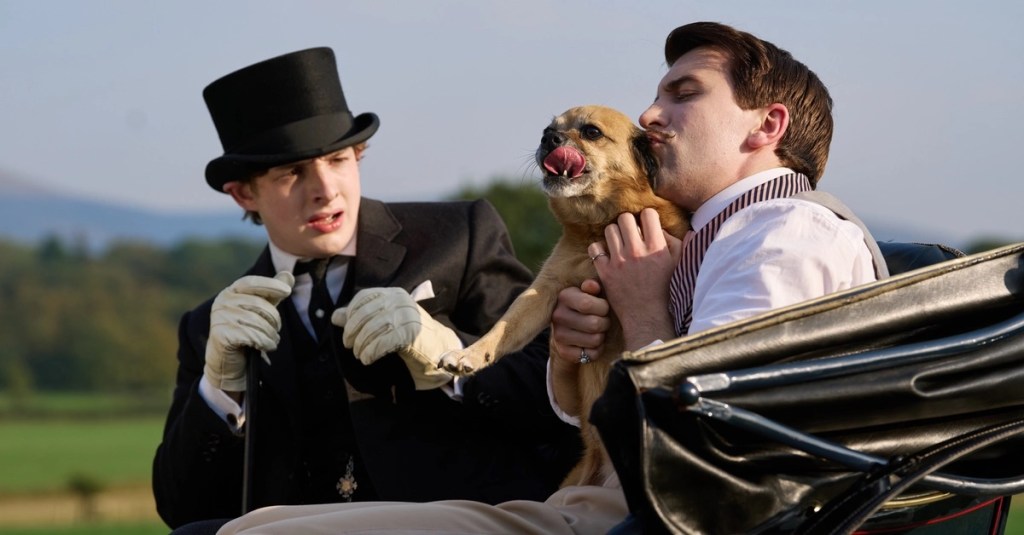
The film moves at a steady pace and provides enough character development for the audience to invest emotionally in those involved. Henry is portrayed as a complex figure whose extravagant spending is only one part of a much larger story. The film takes care to show the man behind the headlines and, in doing so, presents a historical figure who feels surprisingly modern.
Overall, Madfabulous is an entertaining and colourful period drama that brings a fascinating piece of Welsh history to life. Driven by a charismatic central performance and packed with personality, it tells a story that deserves to be better known. It may be a tale from the past, but its themes of identity, acceptance and self-expression remain strikingly relevant today.
★★★½ (3.5/5)

