
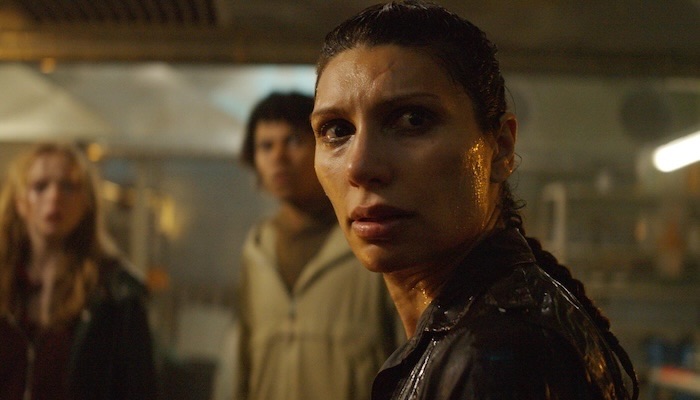
In one sentence: When a marine biologist investigates strange events at a Norwegian salmon farm, she discovers an ancient creature has been awakened beneath the fjord.
Monster movies continue to be all the rage and Norway’s latest foray into the genre draws upon its own rich folklore. The Kraken, a giant sea creature resembling an octopus, is said to possess the power to drag entire ships beneath the waves.
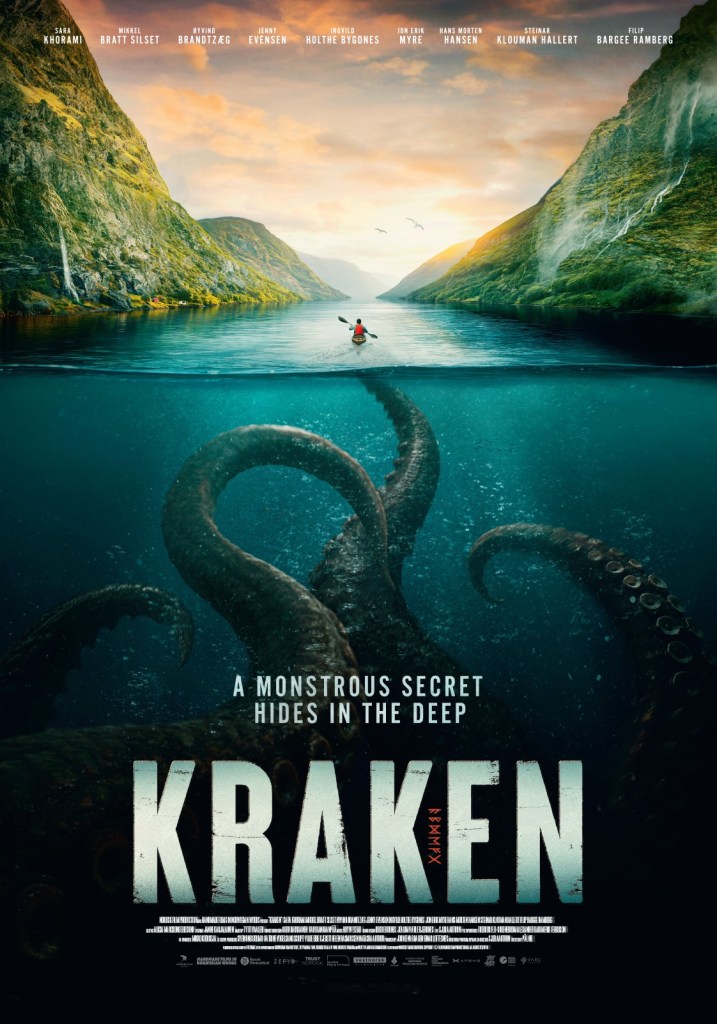
The film follows Johanne (Sara Khorami), a marine biologist sent to investigate a salmon farm in the Sognefjord, Norway’s largest and deepest fjord. A group of local teenagers, including the fish farm owner’s daughter Maria (Jenny Evensen), have become concerned by the strange behaviour of the salmon and choose to blow the whistle on the farm’s practices. The company has been using sonic waves to combat sea lice, but it soon becomes apparent that this technology is responsible for disturbing something lurking beneath the water. At the fish farm, Johanne reconnects with Erik (Mikkel Bratt Silset), a former colleague and possible former flame. As their investigation unfolds, the connection between the strange occurrences and an earlier incident involving two missing tourists becomes clear. The Kraken has been awakened.
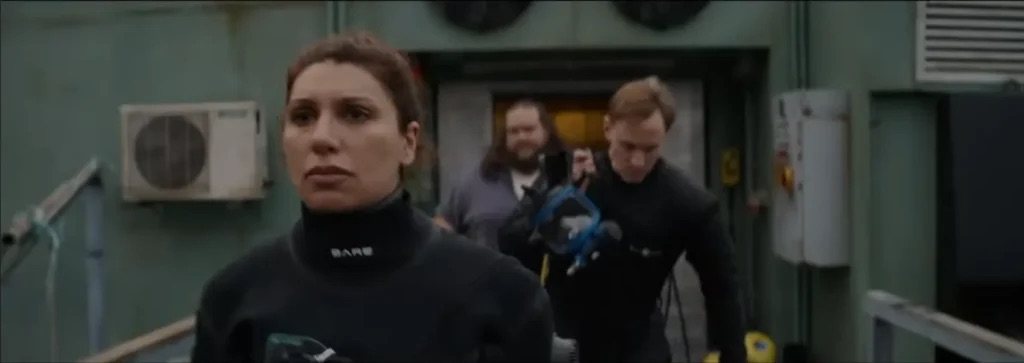
It is difficult for a monster movie to forge an entirely new path and it becomes apparent quite quickly that Kraken is not here to reinvent the genre. However, I found the opening particularly effective. The use of old footage and reports of previous events immediately creates intrigue and reminded me somewhat of Rogue, where newspaper clippings help to sow the seeds of the threat to come.
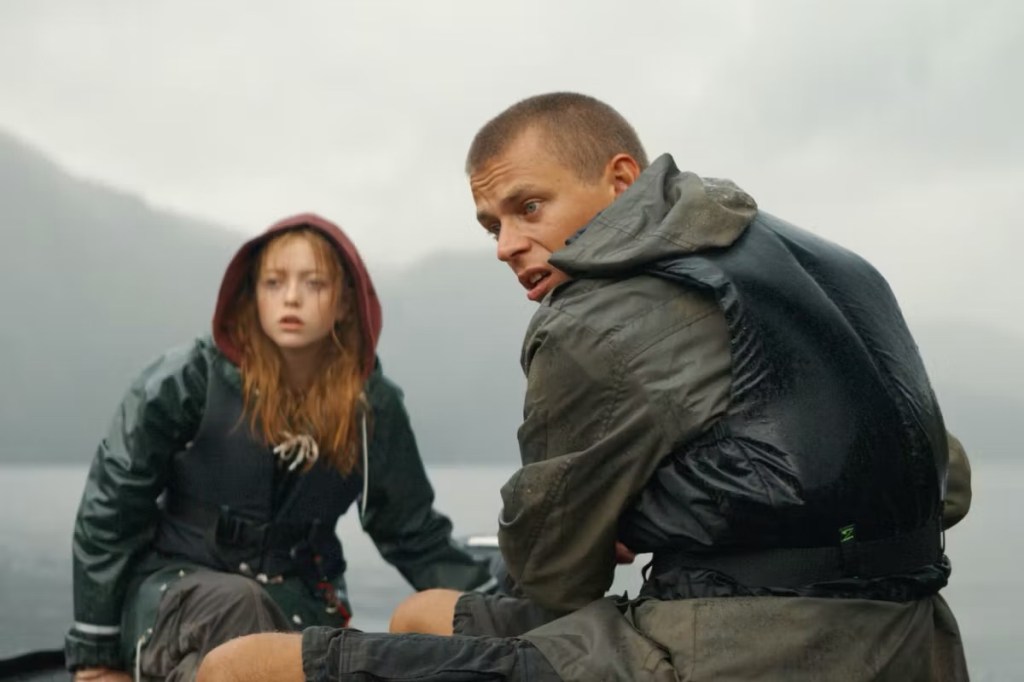
What perhaps sets Kraken apart from many of its American counterparts is its setting. The backdrop is stunning. I do not know if audiences will fully appreciate just how vast and deep the Norwegian fjords truly are. Having recently returned from a trip to Norway myself, including a journey through the Sognefjord, I found the location added an extra layer of fascination. The idea of a creature lurking beneath those immense waters is both thrilling and deeply unsettling.
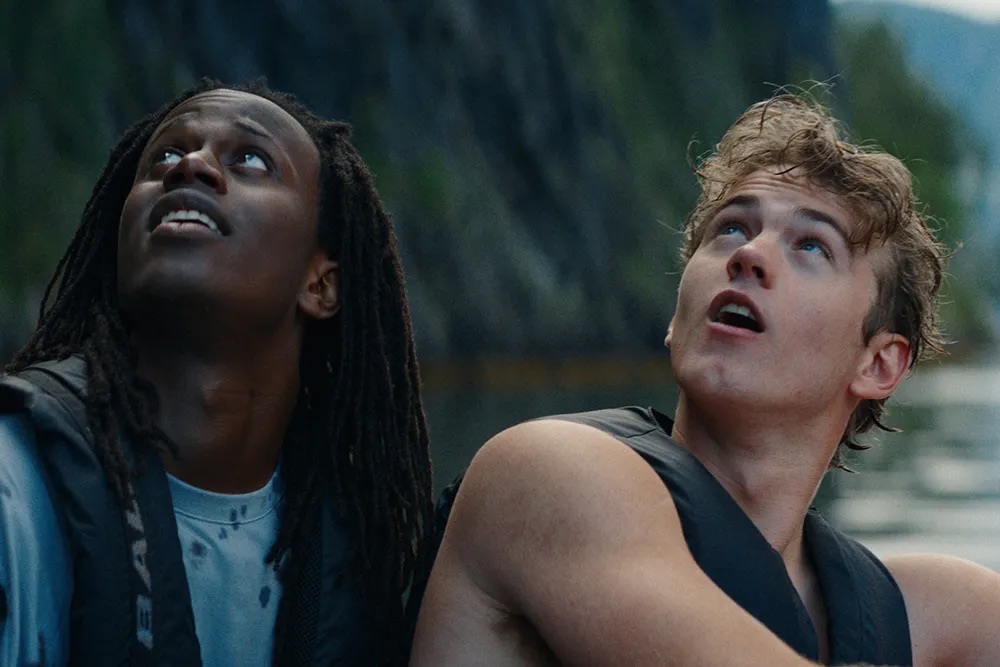
One aspect I appreciated was the film’s restraint. Modern audiences are often conditioned to expect intense action almost immediately, whereas Kraken takes its time. Because of the creature’s enormous size and the characters’ attempts to remain on the fish farm rig, much of our exposure to the Kraken comes through its tentacles rather than its full form. The complete reveal is saved for the finale, testing the audience’s patience and allowing viewers to decide whether the wait is early worthwhile.
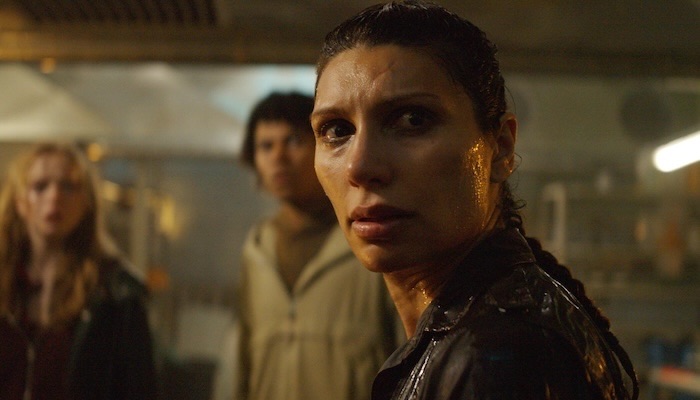
The film incorporates an environmental angle through its focus on the fish farm and the younger generation’s concerns about the impact of its practices. Maria and her friends are presented as advocates for protecting the fjord, while her father is more focused on business interests and impressing potential investors. Unfortunately, for all the time spent building towards the creature’s arrival, there is not enough character development to create a strong emotional connection. The relationship between Johanne and Erik, in particular, feels underexplored and the drama between the characters never becomes as compelling as it could be.
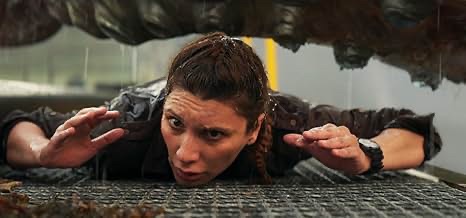
One element that can often make or break a monster movie is its visual effects and, for the most part, Kraken succeeds. While the budget is unlikely to rival that of major Hollywood productions, the creature is convincing enough to maintain immersion and never becomes unintentionally comical. I also enjoyed the decision to keep the film firmly rooted in Norwegian culture and language. The folklore surrounding the Kraken is fascinating and, although I would have liked the film to explore it in greater depth, it has certainly inspired me to learn more afterwards, which is perhaps a compliment in itself.
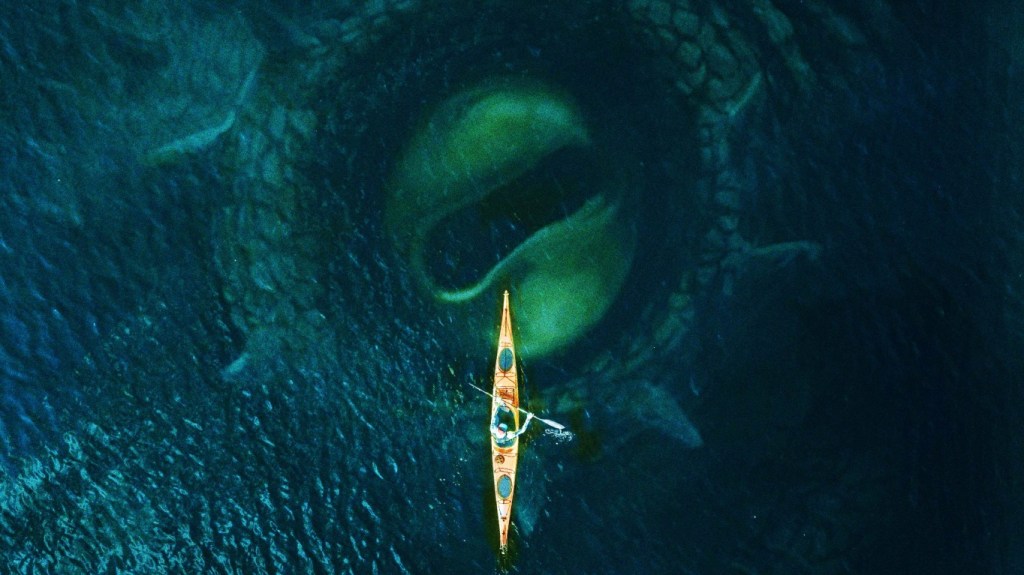
Overall, Kraken is a solid and enjoyable monster movie. Its slower, more measured European approach may not provide enough action for some viewers and the lack of strong character development prevents it from reaching greater heights. Nevertheless, the striking setting, effective atmosphere and use of Norwegian folklore make it a worthwhile watch. Having now seen both Troll and Kraken, I would happily welcome more monster movies that draw upon Norway’s myths and legends.
★★★ (3/5)
 Rhiann’s Reels