
In one sentence: As evidence of extraterrestrial life threatens to become public, the world braces for a revelation that could change humanity forever.
Blockbuster season has officially arrived with Steven Spielberg’s latest film. The director who helped define the modern summer blockbuster returns to one of his favourite genres, science fiction, with a story that feels both familiar and surprisingly timely.
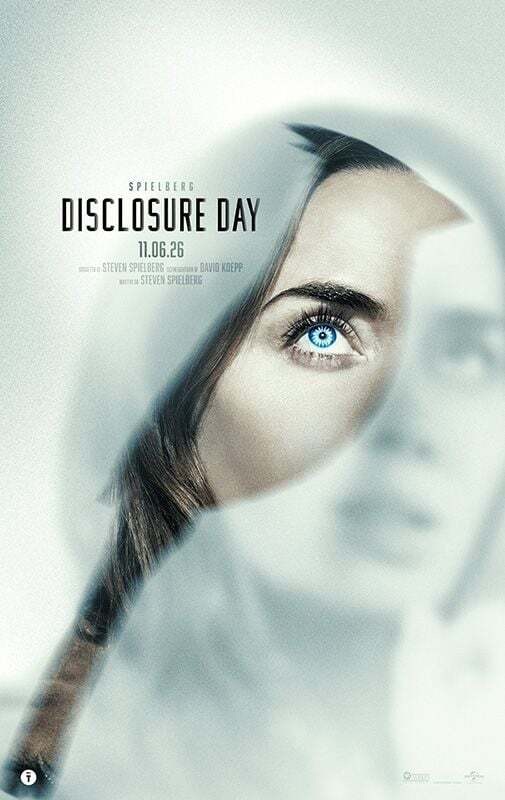
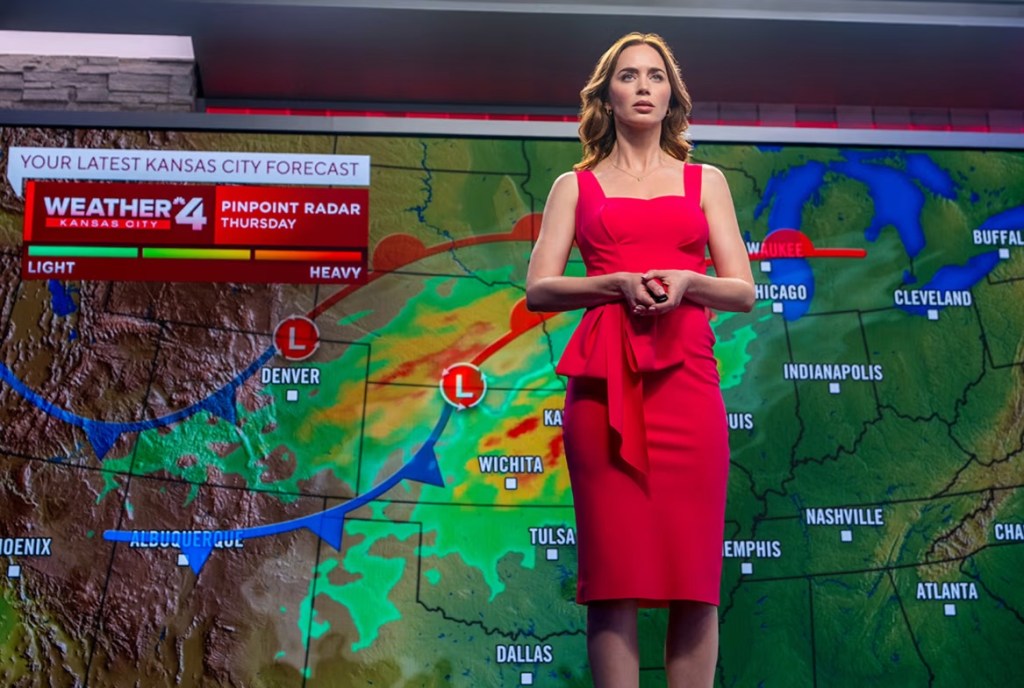
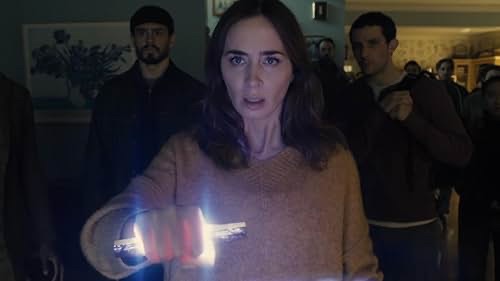
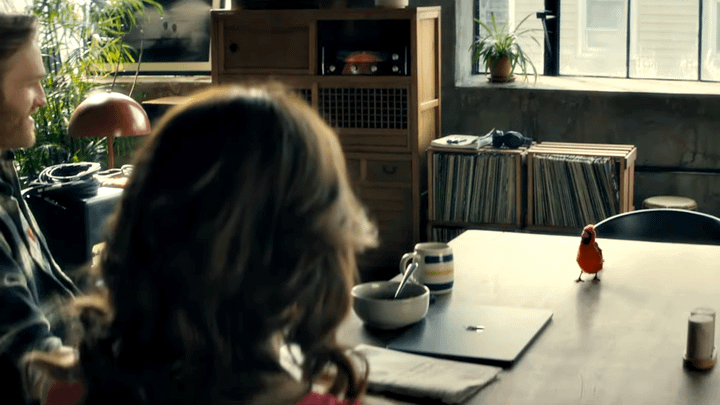
The film follows Daniel Kellner (Josh O’Connor), a cyber security analyst working for Wardex, a company that has spent decades concealing proof of extraterrestrial life. Armed with evidence and guided by his colleague Hugo (Colman Domingo), Daniel is determined to reveal the truth. Helping him is his girlfriend Jane (Eve Hewson), while Wardex CEO, Noah Scanlon (Colin Firth), will stop at nothing to keep the secret hidden. As the conspiracy unfolds, weather presenter, Margaret (Emily Blunt), begins experiencing strange phenomena after encountering a red cardinal bird in her apartment. Suddenly able to understand thoughts and languages she has never encountered before, Margaret finds herself drawn into a mystery far larger than she could ever have imagined. Against the backdrop of a world on the brink of World War III, the characters find themselves on opposite sides of a revelation that could fundamentally change humanity’s understanding of itself.
This is not Spielberg’s first film about extraterrestrial life, so expectations are understandably high. Fortunately, he succeeds in creating a film that feels rooted in contemporary concerns. In an era dominated by political division, conspiracy theories and debates about misinformation, Disclosure Day asks compelling questions about truth, trust and humanity and reminds audiences that the universe is far bigger than us.
One of the more interesting elements is the way the film explores the tension between science and religion. Through Jane’s previous vocation as a nun, the story examines how the discovery of alien life might challenge existing beliefs. Interestingly, the church is portrayed as far more open-minded than some might expect, while still acknowledging why the existence of other intelligent life forms could feel threatening to established religious frameworks. The film does a good job of presenting both perspectives without dismissing either.
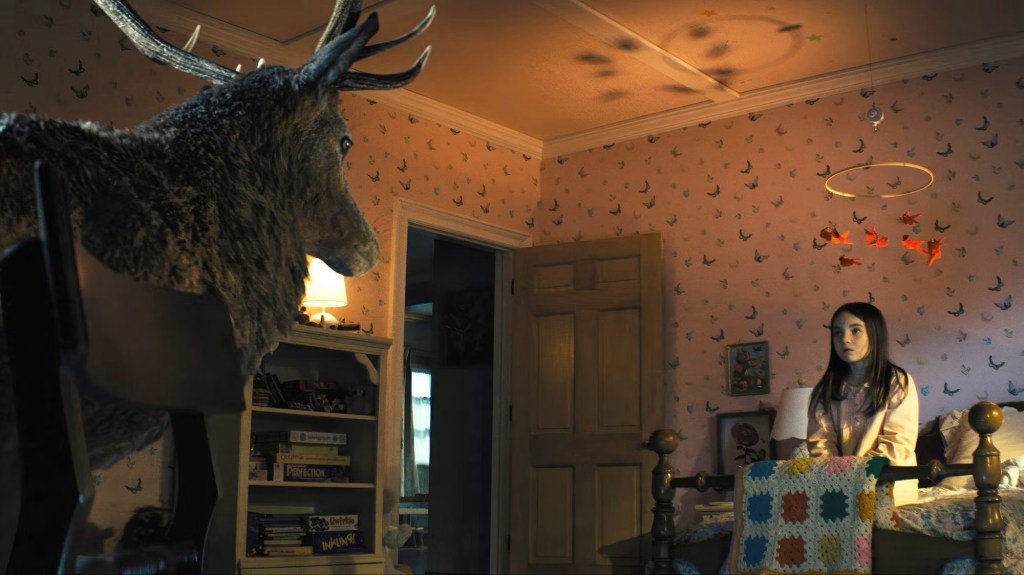
The pacing is perhaps the film’s biggest weakness. The second half is considerably stronger and more engaging than the first. It takes a while for the story to find its rhythm and there are moments early on that feel as though they could have benefitted from tighter editing. Once the narrative gains momentum, however, it becomes an entertaining and thought-provoking blockbuster. Fortunately, the quality of the performances helps maintain interest during the slower opening sections.
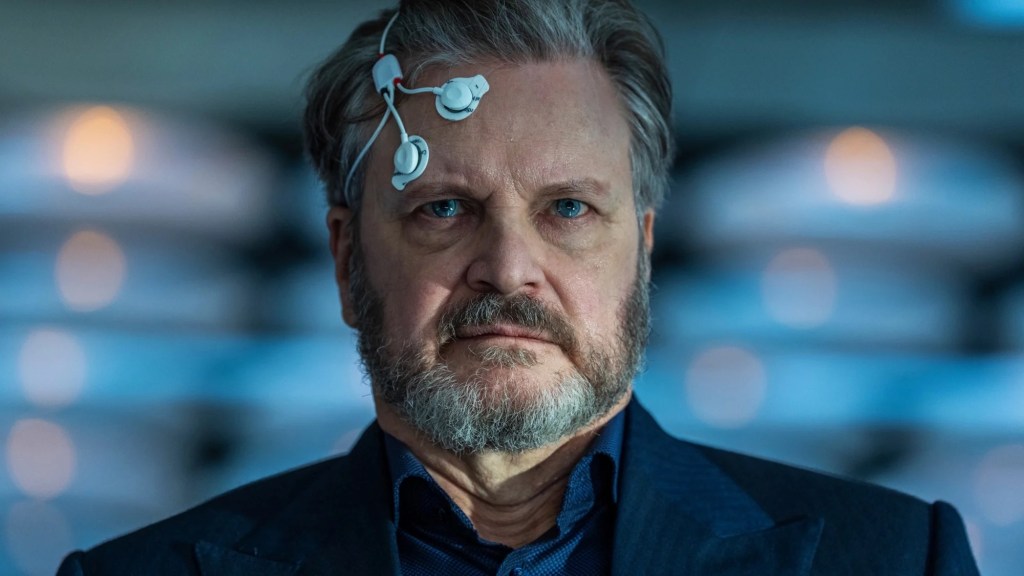
Emily Blunt is particularly impressive. Her performance requires her to move between multiple emotional states and languages and she handles both convincingly. She also delivers one of the most believable portrayals of a panic attack I have seen on screen. Colin Firth, so often cast as the sympathetic figure, clearly relishes the opportunity to play a villain and uses his naturally polished demeanour to unsettling effect. Josh O’Connor may initially seem an unconventional choice for the lead in a blockbuster of this scale but he proves more than capable and continues to build an increasingly impressive filmography. Eve Hewson also delivers a strong performance, although I occasionally found her resemblance to Emily Blunt slightly distracting.

One element that did not work quite as well for me was the CGI animals. Part of me wondered whether the slightly artificial appearance was intentional, given the role these creatures play within the story, but some of the effects, particularly involving the fox, felt distracting rather than immersive. The aliens themselves are effective enough, although perhaps not especially original in their design. In comparison to Project Hail Mary, which created an alien presence that felt both unique and emotionally engaging, Disclosure Day’s extraterrestrials are somewhat less memorable. That said, their more human-like appearance could help to support the empathy and understanding the film encourages.
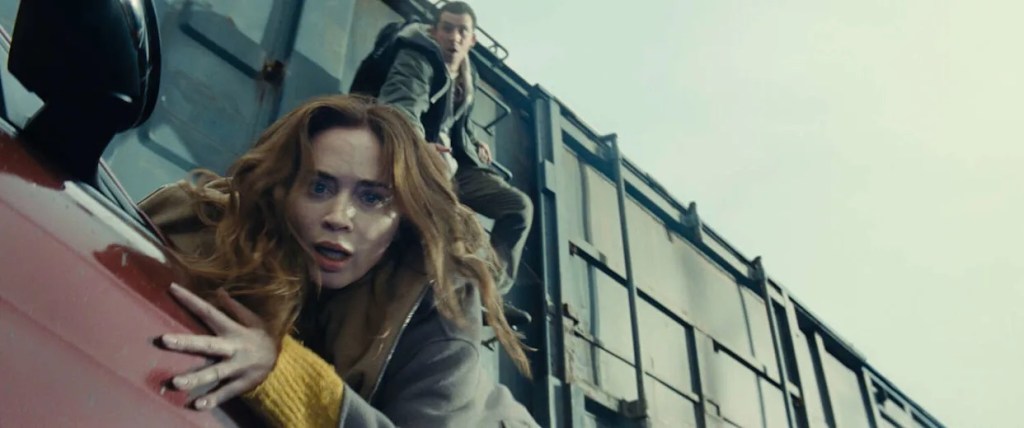
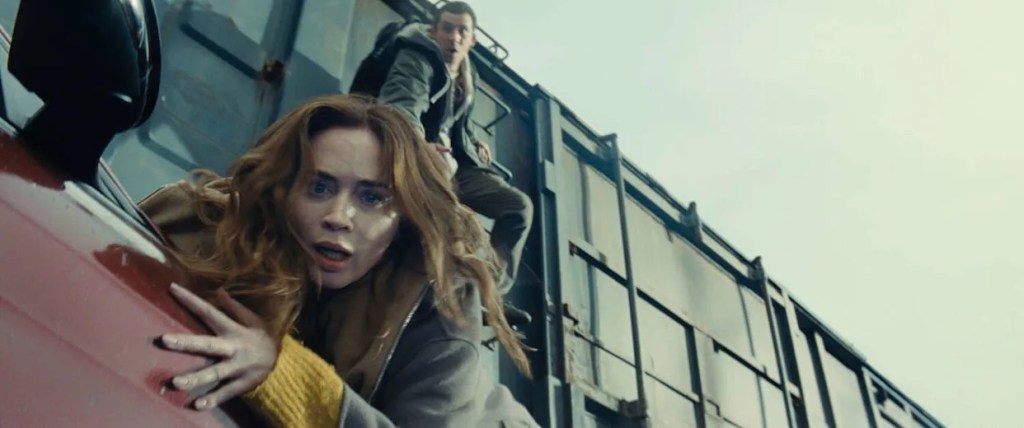
From a technical perspective, Spielberg remains a master of large-scale filmmaking. The film contains tense train sequences, entertaining uses of invisibility and exciting chase scenes. They are the sequences audiences expect from a summer blockbuster and Spielberg delivers them with confidence. John Williams’ score is equally accomplished and carries echoes of some of his most iconic work. While this occasionally makes the film feel familiar rather than distinctive, it also provides a comforting sense of nostalgia that feels entirely appropriate for a Spielberg production.
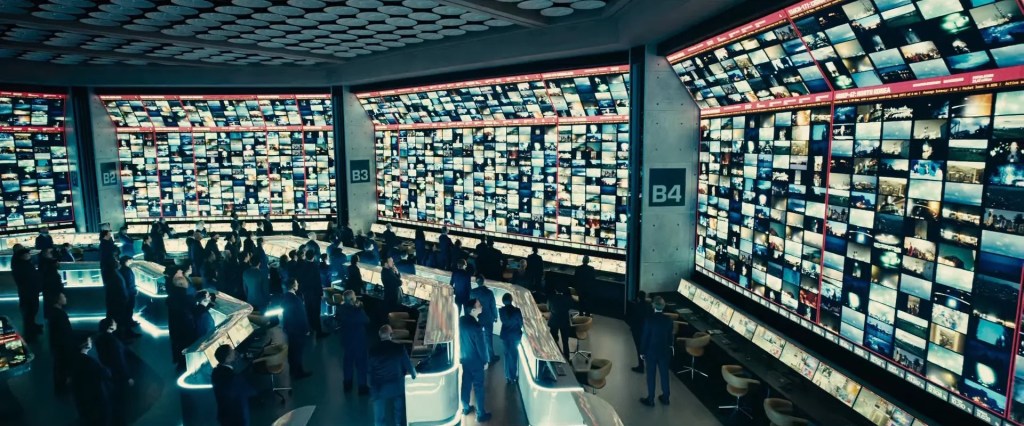
The final fifteen minutes are particularly powerful. Through a combination of news-style broadcasts, global reactions and moments of reflection, the film successfully captures the enormity of its central revelation. The recreation of news coverage feels strikingly authentic and helps ground an otherwise extraordinary premise in a recognisable reality.
Ultimately, Disclosure Day is an enjoyable cinematic experience that rewards patience. While its slower first half prevents it from reaching the heights of Spielberg’s very best work, it remains an entertaining and thoughtful blockbuster that balances spectacle with bigger questions about truth, belief and humanity’s place in the universe. It feels like Spielberg has made an alien film for today while still retaining many of the elements that have defined his work for decades.
★★★★ (4/5)

