

In one sentence: A man raised on the fringes of a wealthy dynasty decides to murder the relatives standing between him and his inheritance, setting off a darkly comic spiral of greed and ambition.
Life can feel deeply unfair at times, but the way people respond to that unfairness says a great deal about character. How To Make a Killing explores what happens when resentment and ambition are allowed to curdle into something far darker.

The film follows Becket Redfield (Glen Powell), whom we first meet on death row as he prepares for execution. During his final meeting with a priest, Becket begins recounting the chain of events that led him there. The story flashes back to when his mother, the teenage daughter of the wealthy Redfield family, becomes pregnant and is cast out when she chooses to keep the baby. After Becket’s father dies suddenly during his birth, he is raised by his single mother before eventually ending up in foster care following her death. Years later, a chance reunion with Julia (Margaret Qualley), a rich girl he liked from childhood, reignites his awareness of the fortune that could be his and inspires him to eliminate the relatives standing in his way.

The film is firmly pitched as a black comedy and draws inspiration from the 1949 classic Kind Hearts and Coronets. Glen Powell proves well suited to this tone, delivering sharp comedic timing alongside the charm that has increasingly made him such a compelling screen presence. The pacing is quick and energetic, which helps the film maintain momentum, however, it also means certain plot developments and logistics are easy to question if examined closely. The film asks audiences to accept its absurdity and mostly succeeds because of the confidence of its tone.
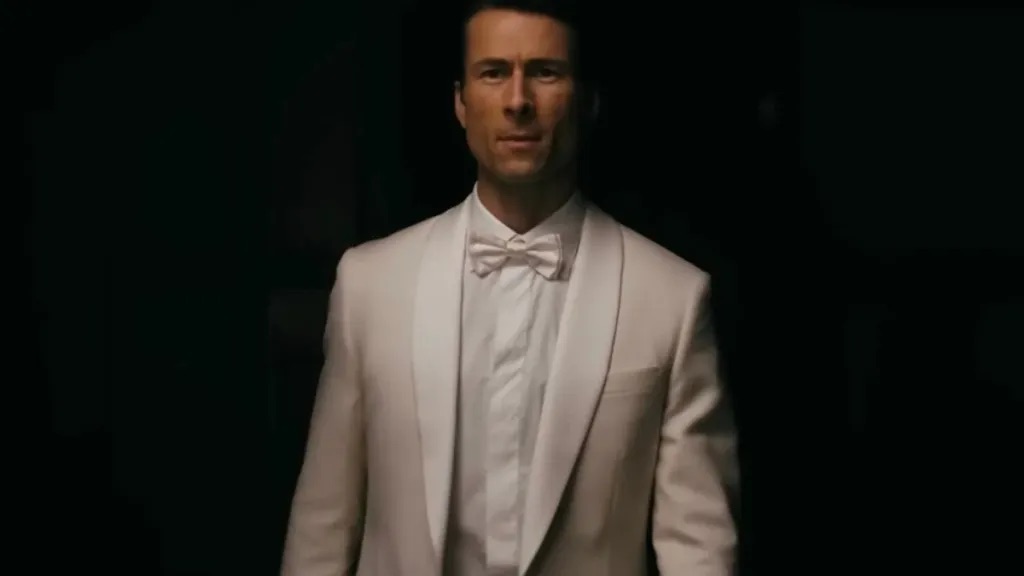
At the centre of the story is Becket’s belief that wealth will finally bring him happiness, something that he tells the priest at the beginning of the movie. Interestingly, the film gradually undermines this idea. His relationship with Ruth (Jessica Henwick) becomes the clearest example of this tension. They seem happiest when living modestly but as Becket moves closer to wealth and status, his fixation on inheritance begins to damage the one genuinely meaningful connection in his life. The film suggests that greed not only corrupts morality but also distorts the ability to recognise happiness when it already exists.

Margaret Qualley’s Julia also plays an important role as a femme fatale, pushing Becket further than he may otherwise have gone. Though she appears only intermittently, her influence hangs over much of the film, raising interesting questions about pressure and manipulation. Alongside Qualley, the supporting cast includes familiar faces such as Ed Harris, Topher Grace, Bill Camp and Zach Woods, who all help to reinforce the film’s strange balance of humour and unease.

As an A24 production, the film fits comfortably within the studio’s growing reputation for stories that explore uncomfortable truths about society and human behaviour. While How To Make a Killing may not reach the heights of some of the studio’s strongest work, it still offers a pointed commentary on wealth, envy and the lengths people will go to in pursuit of status. Beneath the humour sits a much darker reflection on entitlement and the corrosive nature of greed.
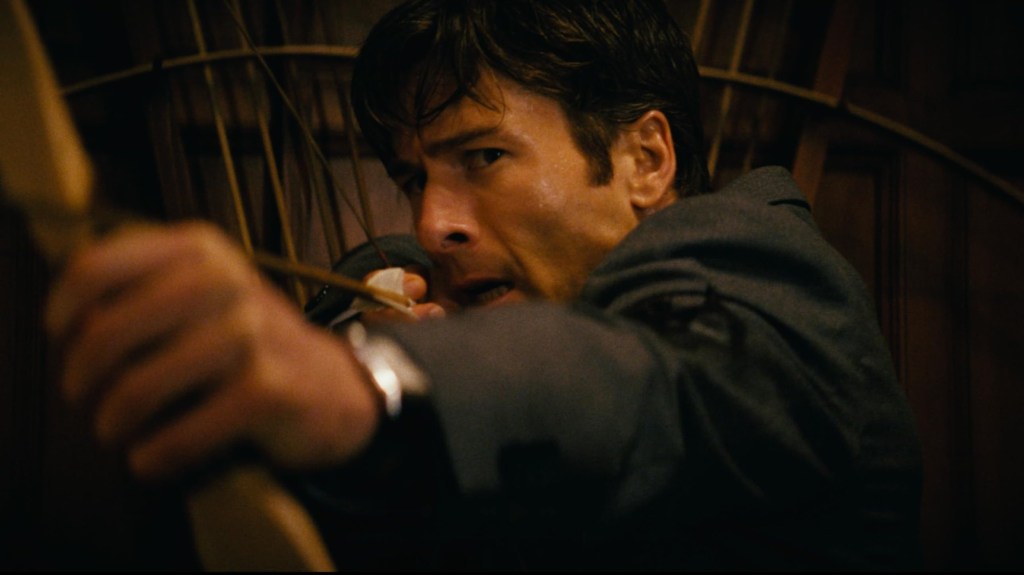
Ultimately, How To Make a Killing is an entertaining and stylish black comedy elevated by Glen Powell’s performance. While it never fully digs into the psychology of its protagonist as deeply as it perhaps could, it still delivers an enjoyable and sharply cynical look at ambition and excess.
★★★ (3/5)

