
In one sentence: After the death of her best friend, a lonely woman moves to New York and becomes entangled in a lie that forces her to confront grief, identity and the need for connection.
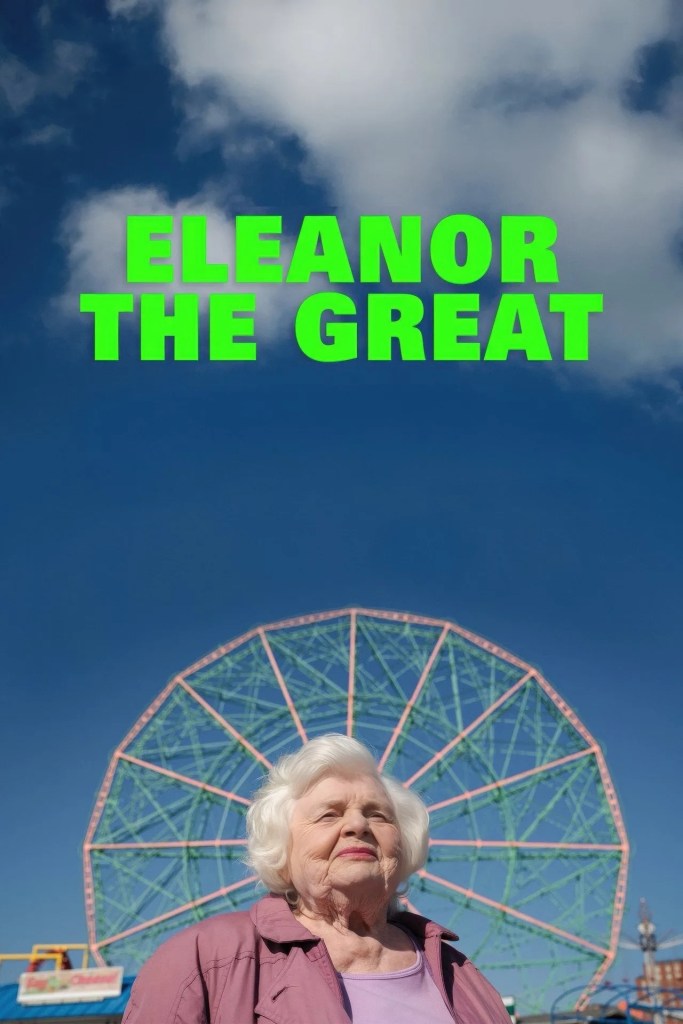
Scarlett Johansson steps behind the camera for her directorial debut with Eleanor the Great and rather than placing herself at the centre, she hands the spotlight to June Squibb. It is a choice that immediately sets the film apart, resulting in something quieter, more surprising and ultimately more affecting than expected.
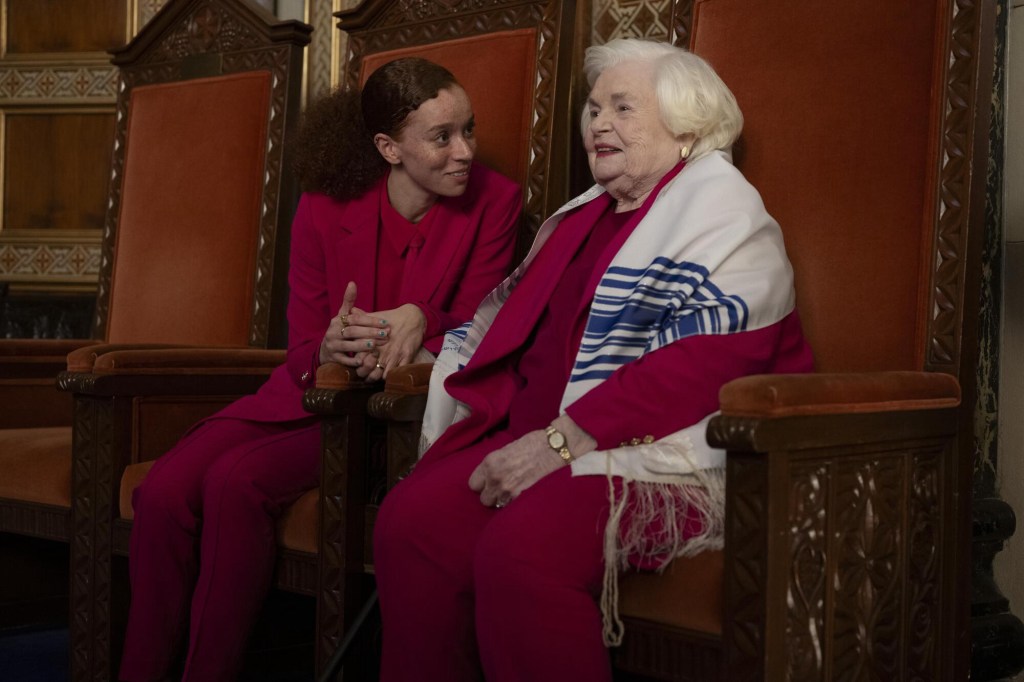
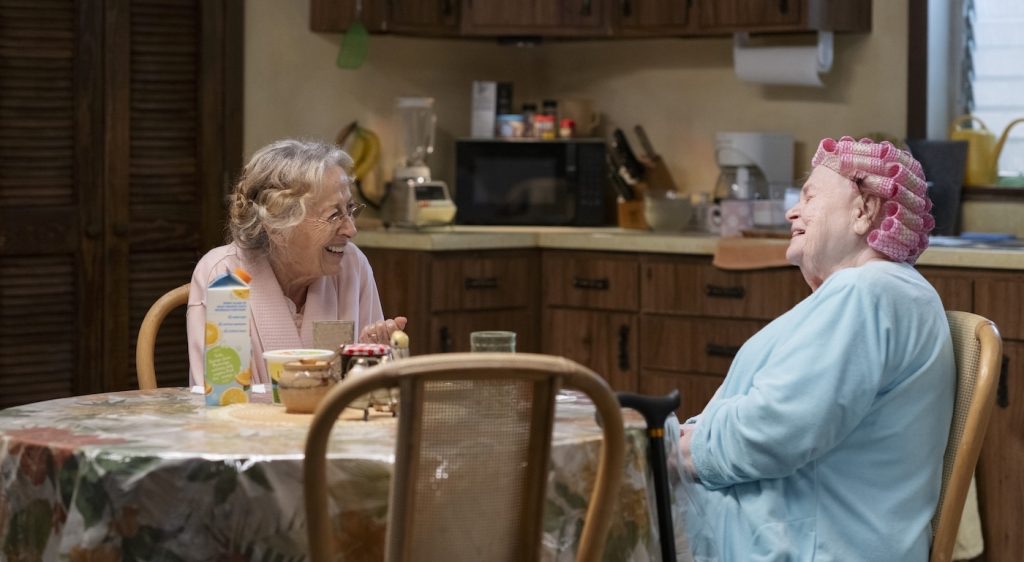
The film follows 94-year-old Eleanor (June Squibb), who has spent the last eleven years living in Florida with her best friend, Bessie (Rita Zohar). When Bessie dies, Eleanor is left adrift and relocates to New York to be closer to her daughter (Jessica Hecht) and grandson (Will Price) but loneliness quickly sets in. In search of connection, she attends a session at the Jewish Community Centre, only to find herself in a support group for Holocaust survivors. Though she does not belong there, she stays and in a moment that quietly shifts everything, begins to tell Bessie’s story as if it were her own. What follows is a lie that gradually deepens, creating consequences Eleanor is both unable and sometimes unwilling to escape.
The premise of a lie spiralling out of control is a familiar one, but the film handles it with care and sensitivity. Given the subject matter, it would be easy for the story to feel uncomfortable or misjudged, yet it never leans into frivolity. Instead, it approaches Eleanor’s actions with a sense of curiosity rather than judgement, exploring the emotional motivations behind them. The result is a thoughtful character study that examines why people do the things they do, even when they know they are wrong.
Grief sits at the centre of the film, explored through multiple perspectives. There is the loss of a lifelong friend, a mother and wife, the lingering trauma carried by Holocaust survivors and the quieter, everyday loneliness that comes with ageing. Each is handled with restraint, allowing the emotional weight to build gradually. A monologue from Chiwetel Ejiofor towards the end of the film brings these ideas together in a way that feels both moving and grounded, capturing the complexity of how people process loss.

The relationships within the film are equally important. Eleanor’s connection with Nina (Erin Kellyman), a journalism student, adds a layer of warmth and highlights the value of unexpected companionship. Their dynamic reflects the film’s broader message about connection, showing that comfort and understanding can come from the most unlikely places.
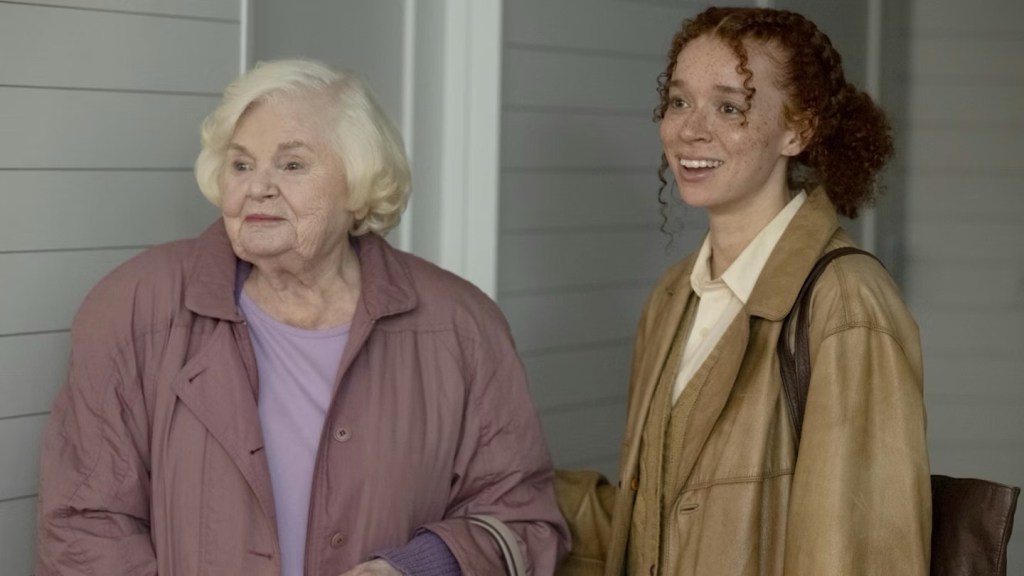
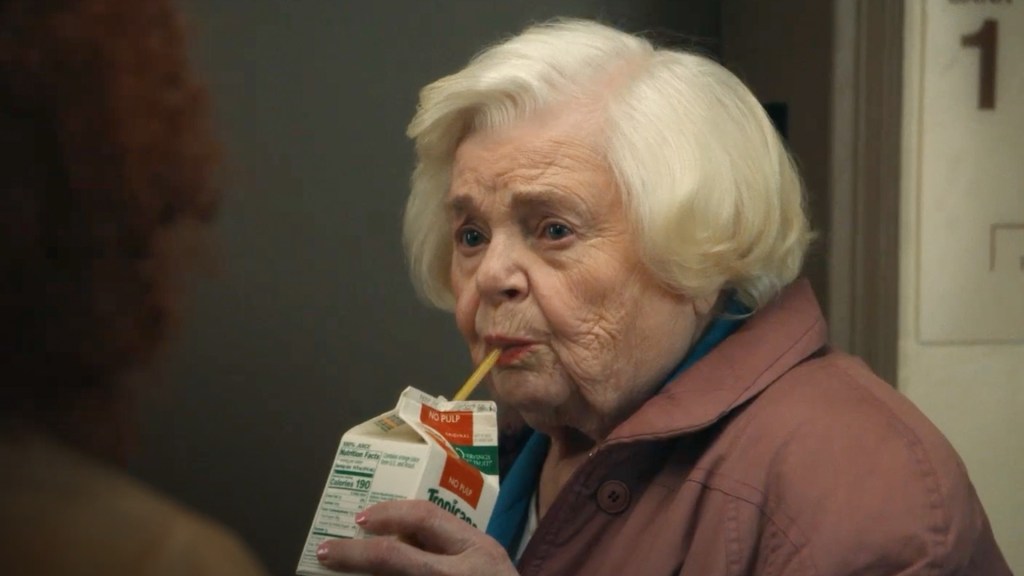
Eleanor herself is a compelling character. While she may appear to fit the image of a typical nonagenarian, she quickly defies expectation. She is sharp, tough and witty and the film makes a quiet but clear point about the way older people are often overlooked. In choosing to centre the story on Eleanor, Johansson presents a different kind of protagonist, one that challenges the industry’s usual focus on youth and beauty. There is a sense of feminist intention in her choice. The film also embraces Johansson’s religion as it engages with Jewish identity and tradition. Eleanor’s relationship with her faith and the way elements of the Torah are woven into the narrative, adds another layer of meaning without overwhelming the story.
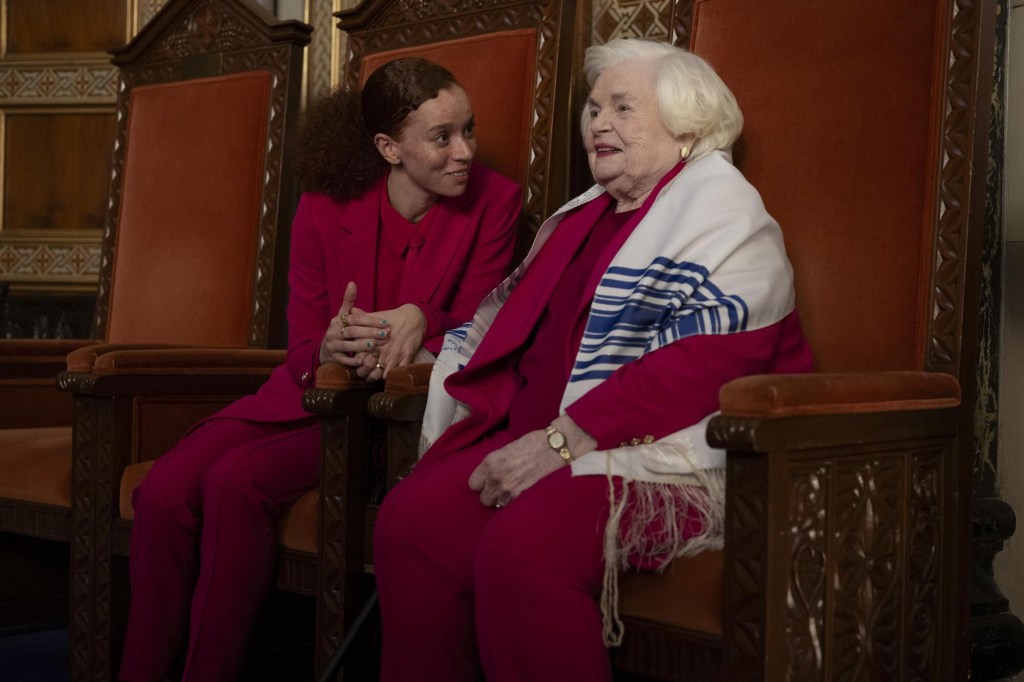
At just over 90 minutes, the film is concise but never feels rushed. Its pacing suits its tone, allowing space for reflection while remaining engaging throughout. Eleanor the Great may not be a film driven by spectacle, but it is one that invites conversation, presenting moral questions that linger beyond the immediate viewing experience.

Ultimately, Scarlett Johansson’s debut is a quiet triumph. It is not showy or overly ambitious, but it is deeply human, grounded in character and emotion in a way that feels both sincere and impactful.
★★★★ (4/5)


One response to “Eleanor the Great (2026) Review – Grief, Lies and Connection”
[…] ELEANOR THE GREATAs Eleanor navigates life after loss, the film shows how connection can emerge in the most unexpected ways. […]
LikeLike