
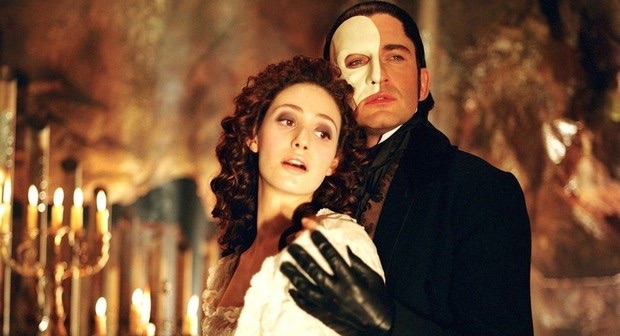
In one sentence: In The Phantom of the Opera an orphaned ballerina is drawn into a dangerous love triangle between a mysterious musical genius who lives beneath the opera house and the childhood friend who offers her a safer life.
Everyone has a film that holds a special place in their heart, one that is difficult to view with complete objectivity because of the memories attached to it. For me, it is The Phantom of the Opera. I still remember seeing the trailer for the first time in the cinema, immediately drawn in by its visual splendour. When the movie arrived in cinemas, I was twelve and the experience left a lasting impression. It was the first time a film felt truly transportive, something capable of creating a moment so vivid it stays with you. This is the power of cinema.
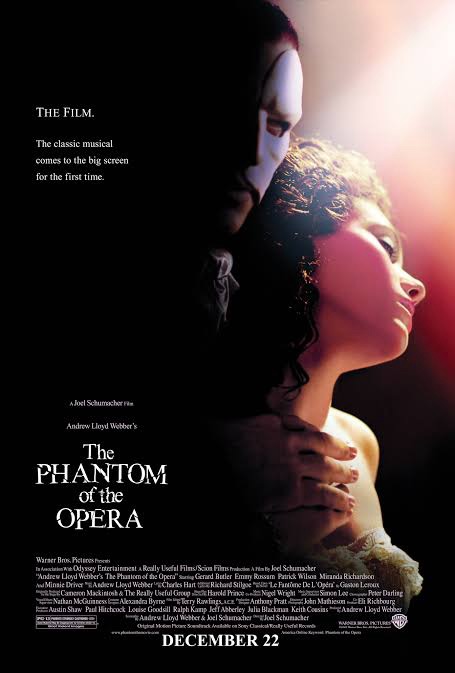
Based on the musical by Andrew Lloyd Webber, the story follows Christine Daaé (Emmy Rossum), an orphaned ballerina at the Paris Opera House who is secretly trained by a mysterious ‘Angel of Music’. When she is thrust into the spotlight, she finally comes face to face with her mentor, the Phantom (Gerard Butler), who resides beneath the opera house, consumed by his art and his obsession with Christine. Opposing him is Raoul (Patrick Wilson), Christine’s childhood friend and a symbol of safety and stability. What unfolds is a love triangle shaped by desire, control and performance.
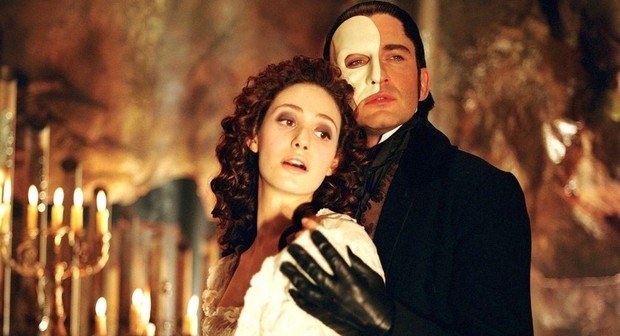
Adapted from Gaston Leroux’s novel, the musical departs significantly from its source material and the film continues that evolution. Most notably, the Phantom is presented here as far more sensual and human than in the stage production where he is often depicted as more overtly monstrous. This shift reframes the central dynamic, blurring the lines of attraction and making his connection with Christine more emotionally complex. Gerard Butler brings a raw intensity to the role, capturing both the character’s creative brilliance and his deeply troubling obsession. Although debated, his vocal performance is striking, bringing a raw, emotive quality that enhances both the character’s vulnerability and unpredictability and reinforces the sense of a man driven as much by longing as by control.
At just seventeen, Emmy Rossum delivers a remarkable performance as Christine. Her voice is clear and powerful and she balances innocence with a growing sense of agency as the story unfolds. Patrick Wilson plays Raoul with warmth and steadiness, embodying a more traditional romantic lead. Yet, in comparison to the Phantom’s intensity, Raoul can feel almost too safe, lacking the dangerous allure that makes the central conflict so compelling. What stands out is the decision to cast relatively unknown actors in the central roles, allowing the performances and music to take precedence over star power. This is complemented by a strong supporting cast, including Miranda Richardson, Minnie Driver, Simon Callow and Ciarán Hinds. It presents an interesting contrast to later musical adaptations such as Les Misérables, which leaned more heavily on established Hollywood names in its leading roles.
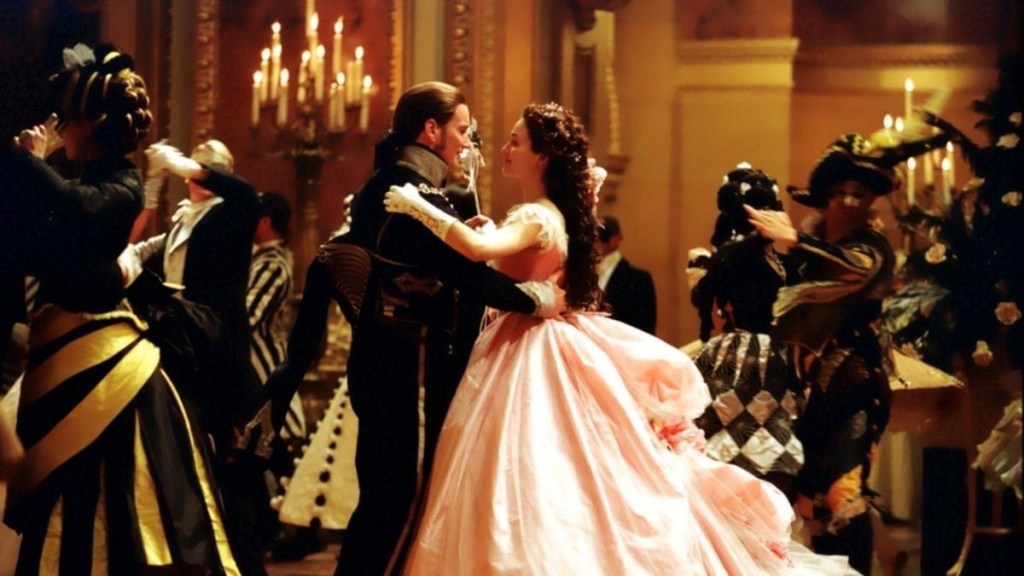
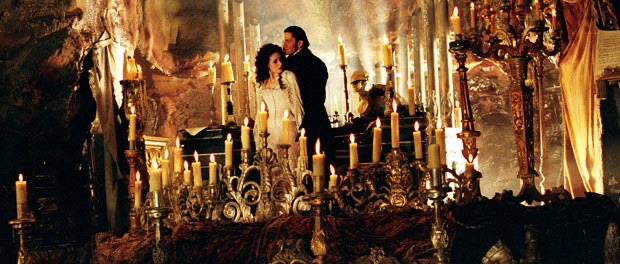
Visually, the film is striking. The opulence of the opera house, the richness of the costumes and the gothic atmosphere all contribute to a sense of grandeur that has allowed the film to age remarkably well. The iconic chandelier sequence remains a standout, both for its scale and its impact, while the more intimate, dreamlike moments between Christine and the Phantom highlight the film’s ability to shift between spectacle and emotion. Director Joel Schumacher, chosen due to his work on The Lost Boys, brings a cinematic quality to the material, expanding the world beyond the constraints of the stage while maintaining its theatrical roots.
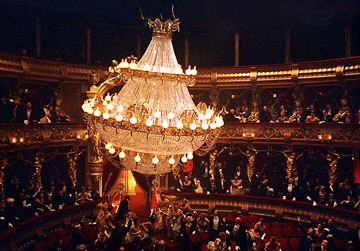
The music is, of course, central. With much of the film sung rather than spoken, the score carries both narrative and emotion. Songs such as The Phantom of the Opera and The Music of the Night provide some of the film’s most memorable sequences, building anticipation and delivering on the promise of its central character. The music is bold, dramatic and undeniably stirring.
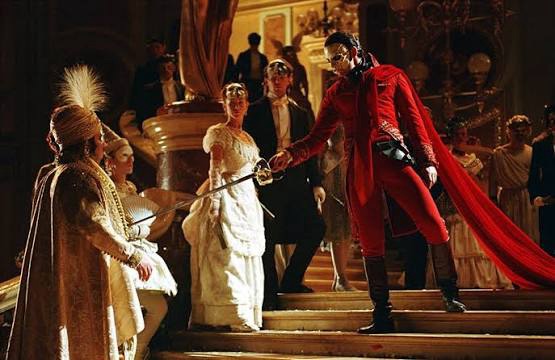
Beneath the spectacle, the relationship between Christine and the Phantom raises troubling questions. His influence over her, beginning from a young age, suggests a dynamic rooted in control as much as affection. While the film encourages sympathy for his isolation and suffering, it does not fully shy away from the darker implications of his behaviour. This tension is part of what makes the story endure, even if it complicates its romantic framing.
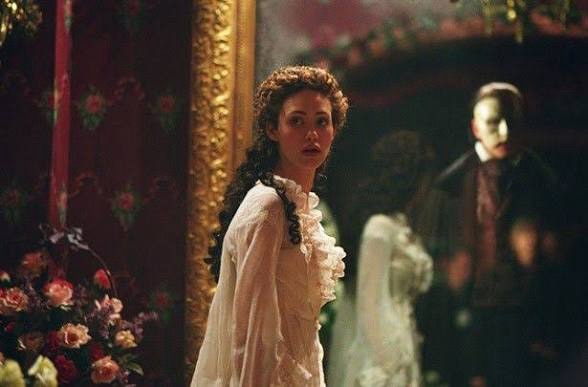
Ultimately, The Phantom of the Opera remains nostalgic viewing for me. Even so, it stands as a visually and musically rich adaptation that captures the drama and passion of the original work. It is an experience that captures the magic of cinema where music, spectacle and emotion come together in a way that is impossible to forget.
★★★★★ (5/5)
 Rhiann’s Reels