
In one sentence: In The Last Five Years, a couple’s relationship unfolds across two opposing timelines, revealing how love can grow, shift and ultimately fall apart through differing perspectives.
Jason Robert Brown’s The Last Five Years celebrates its 25th anniversary this year, and I was fortunate enough to see Ben Platt and Rachel Zegler perform it live with Jason Robert Brown at the London Palladium. It was a phenomenal performance and naturally, it made me want to return to the film to continue the enjoyment.
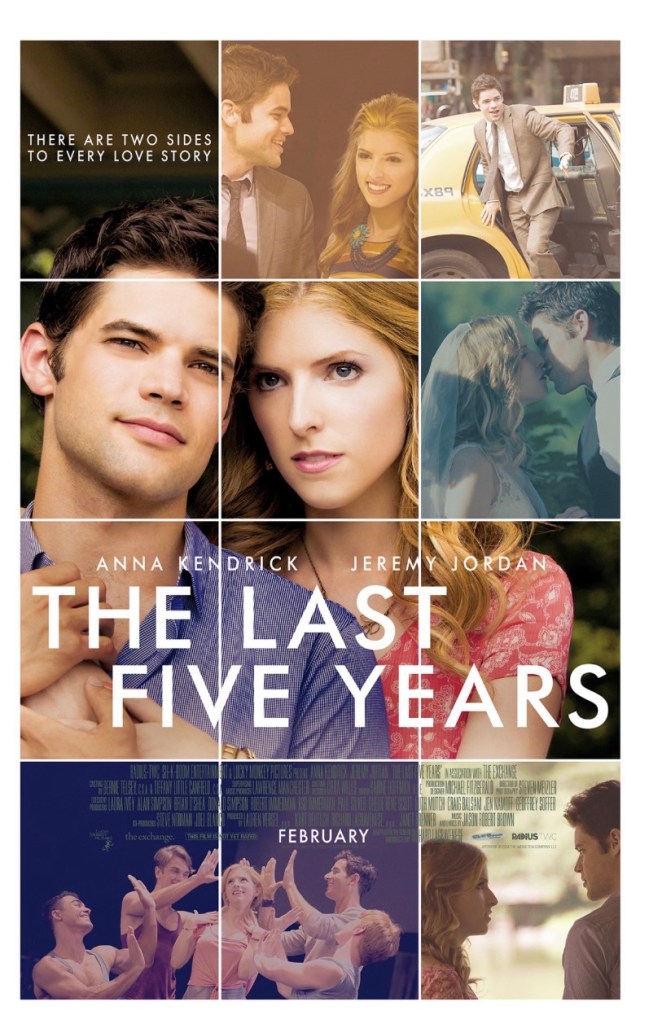
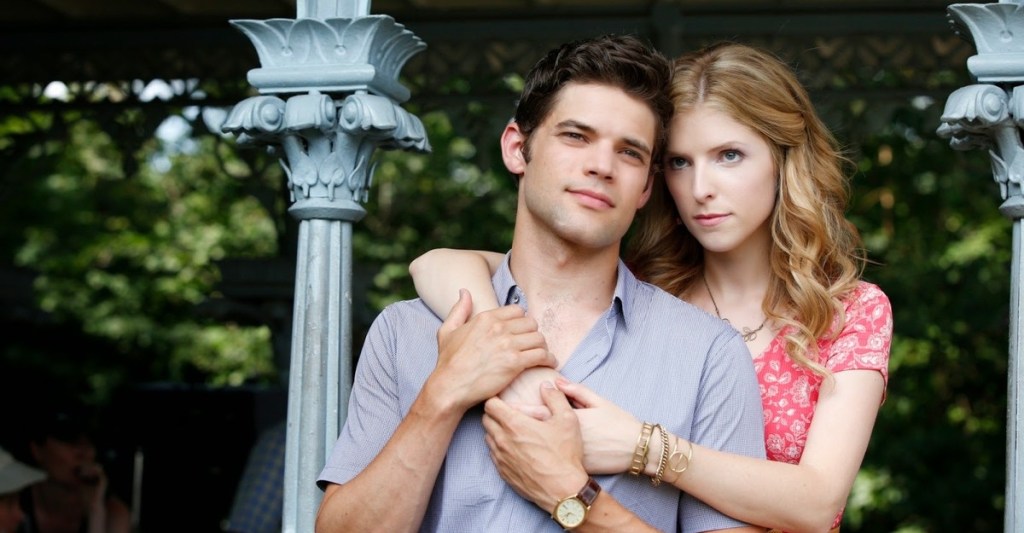
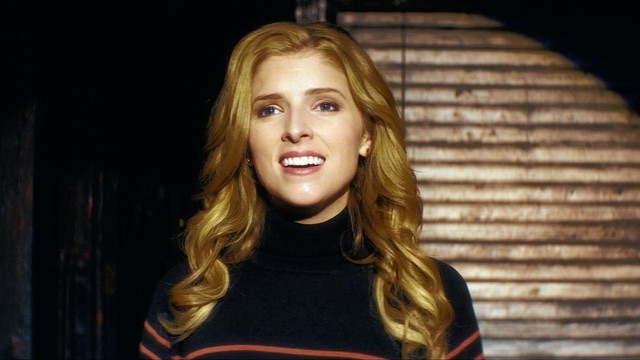
The 2014 movie musical, starring Anna Kendrick and Jeremy Jordan, follows Cathy (Kendrick) and Jamie (Jordan) across two opposing timelines. We meet Cathy at the end of their relationship, after Jamie has left her, marking the breakdown of their marriage. From there, her story moves backwards through their love story to the morning after they first sleep together. In contrast, Jamie’s timeline begins at the start of their relationship, full of excitement as he meets his Shiksa Goddess. What unfolds is a dual narrative with the two timelines moving in opposite directions until they meet in the middle, offering an examination of a five year relationship.
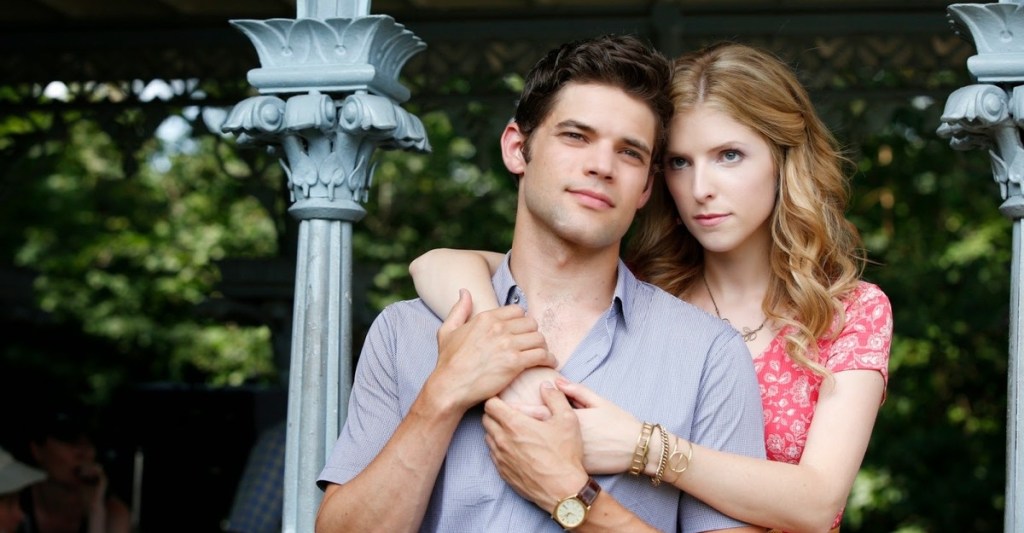
On the surface, a musical about a couple falling in love and falling apart may not sound especially enticing, but The Last Five Years offers a deeply thoughtful exploration of how relationships evolve over time. It examines how shifting circumstances, personal ambition and emotional misalignment can quietly erode even the strongest connections. One of the film’s most effective devices is its use of perspective. Scenes are typically shown through either Cathy or Jamie’s point of view, rarely both simultaneously. This creates a nuanced portrayal of how individual experience shapes perception, highlighting how two people can live through the same moments yet interpret them entirely differently.
Both characters are young creatives trying to find their place. Cathy is a struggling actress, while Jamie is an aspiring writer who left Columbia University. Living near Manhattan, they share the same dream of creative success, but their trajectories quickly diverge. Jamie’s novel becomes a breakout success while Cathy continues to face rejection in the world of musical theatre. What follows is a gradual unraveling driven by jealousy, insecurity and emotional disconnect. The film raises an interesting question as to what happens when two people in a relationship experience success at different rates? There is a clear sense that this story is rooted in lived experience and is unsurprisingly based on Brown’s own life. This authenticity comes through strongly in both the lyrics and performances.
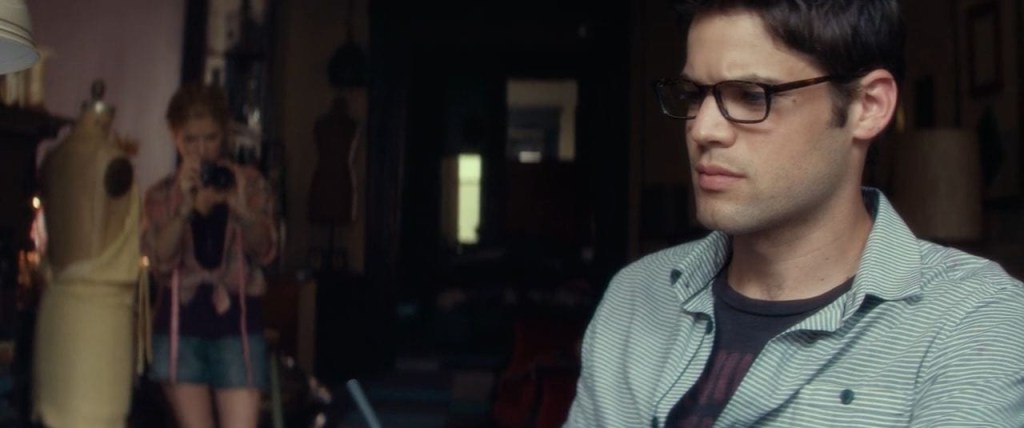
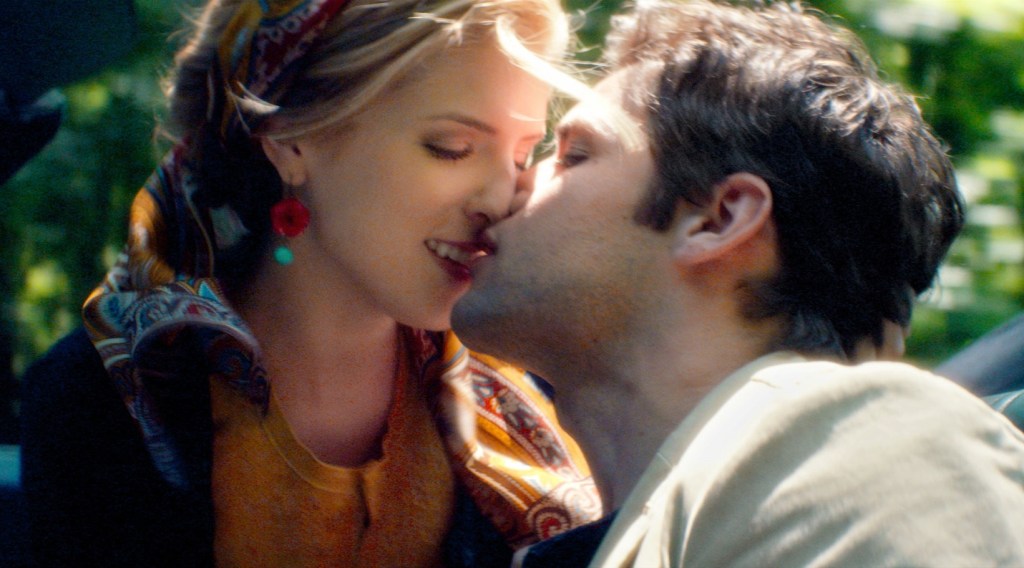
The music is the film’s backbone. Through the songs, we gain access to Cathy and Jamie’s inner worlds; their thoughts, frustrations and desires. Jamie’s Jewish identity is woven into numbers such as Shiksa Goddess and Schmuel Song, adding another layer of character detail. The lyrics are fast-paced and emotionally rich, paired with melodies that shift in tone depending on where we are in the relationship. The film also uses lighting effectively to mirror this emotional journey. It uses warm, saturated tones to capture the optimism of early love, while cooler, muted palettes reflect its eventual deterioration.
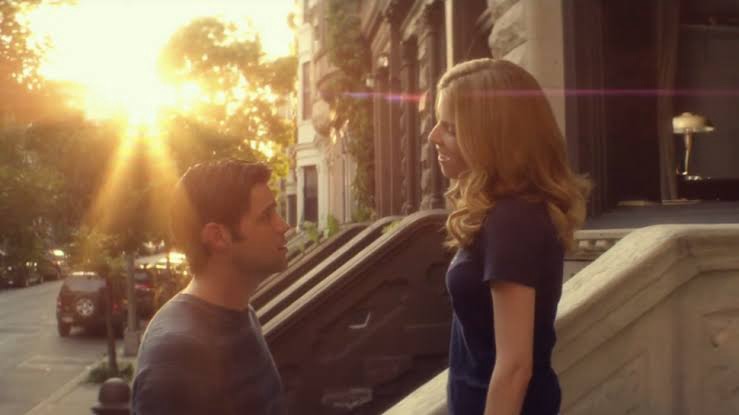
In contrast to many large-scale musicals, The Last Five Years is intentionally intimate. The story focuses almost entirely on its two leads, with supporting characters appearing only briefly. This stripped back approach places the emotional weight squarely on Cathy and Jamie, allowing the audience to fully engage with their relationship. The setting remains grounded in reality, with only brief glimpses into more theatrical spaces through Cathy’s work. It is a small film with big emotions and it embraces this simplicity.
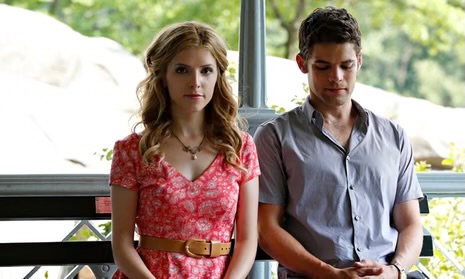
In terms of performance, Kendrick brings vulnerability to Cathy, though vocally she does not quite reach the same heights as Jordan. Jeremy Jordan, a seasoned Broadway performer, delivers a standout vocal performance. His voice soars effortlessly and adds a real emotional intensity to Jamie’s journey. Nevertheless, their chemistry is strong and together, they create a believable and compelling relationship.
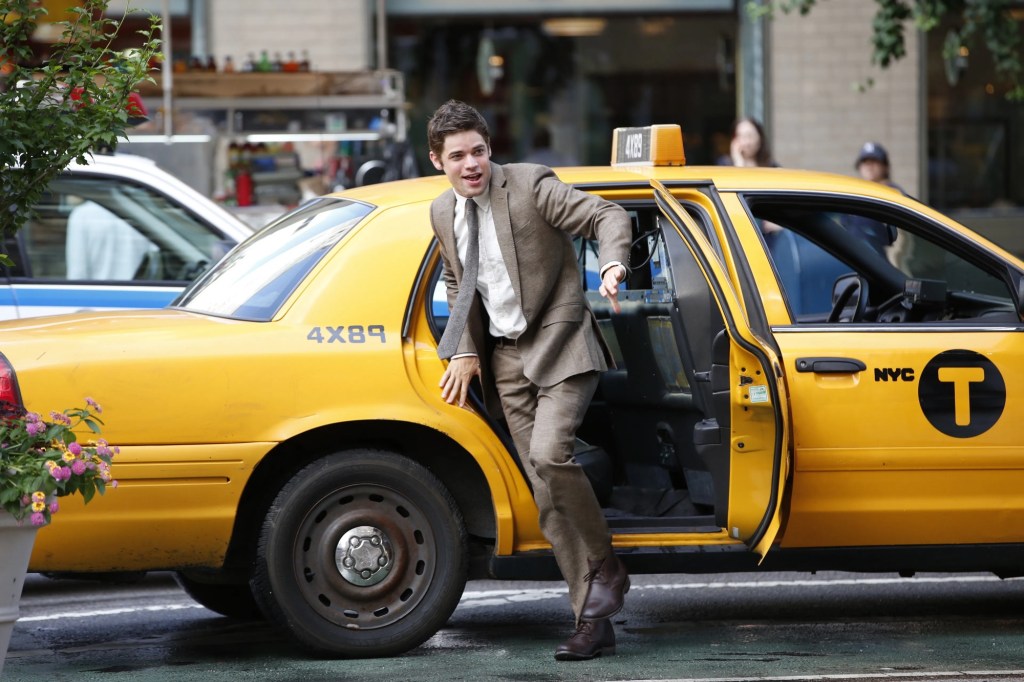
The film’s unique timeline structure may divide audiences. It is not explicitly explained and for first time viewers, it can feel disorienting. While the film uses visual cues such as costume, hair and lighting to signal where we are in time, a slightly clearer framework may have made the experience more accessible. However, the unconventional structure is also part of what makes the film distinctive.
Overall, The Last Five Years is an intimate and emotionally resonant musical that offers a thoughtful exploration of love, ambition and perspective. While its structure may take some getting used to, its authenticity, music and performances make it a rewarding watch. Ultimately, the movie reminds us that even the most meaningful relationships can fall apart when two people are no longer moving in the same direction.
★★★★ (4/5)
 Rhiann’s Reels