
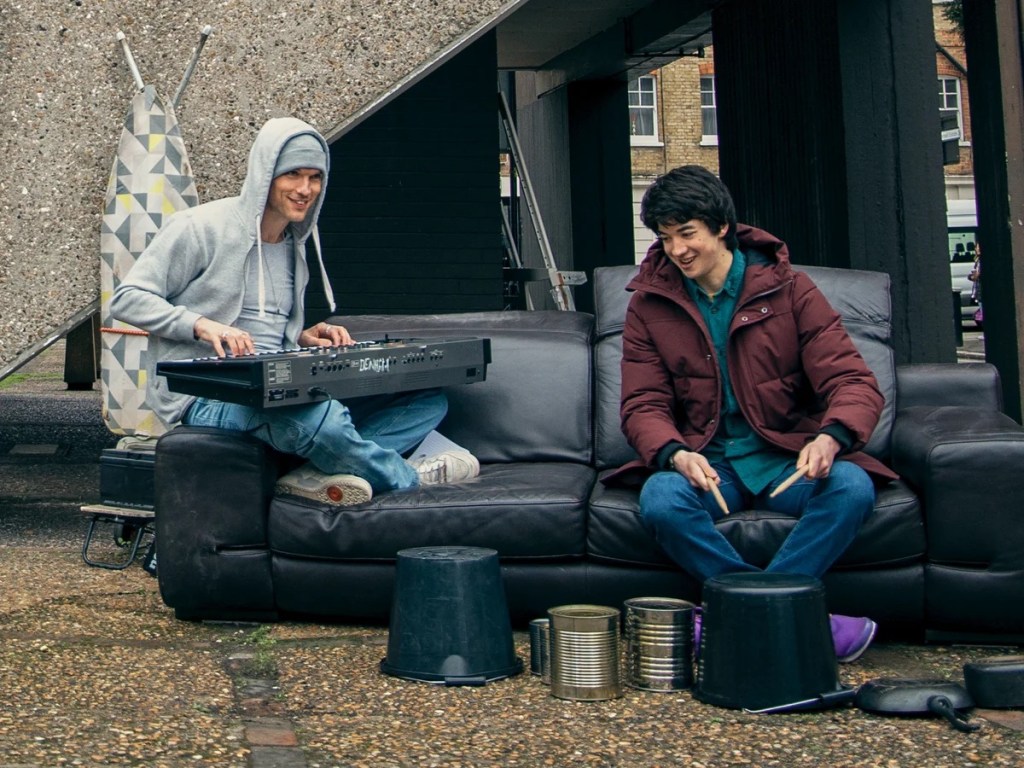
In one sentence: I Used to Be Famous follows a former boy band star struggling to reclaim his place in the world who finds an unexpected creative partnership with a young autistic drummer, changing both of their lives.
We live in a world where fame feels more accessible than ever, largely thanks to social media. But what happens when the fame you once had is a distant memory and the attempt to reclaim it feels both endless and increasingly out of reach? Netflix’s I Used to Be Famous explores this idea through a heartfelt, if gentle, character driven drama.
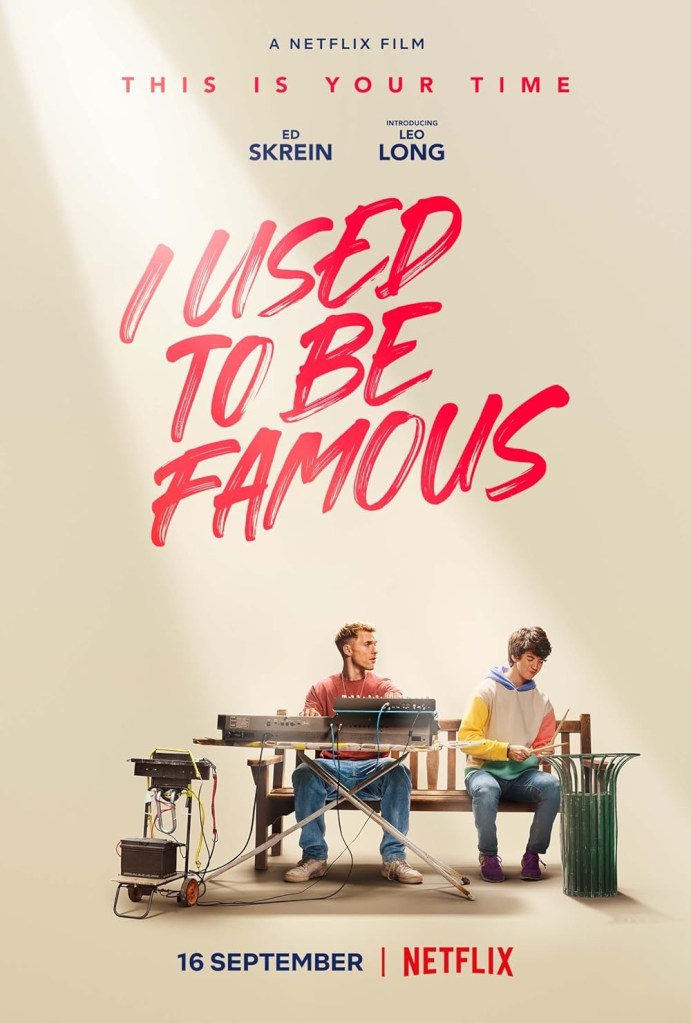
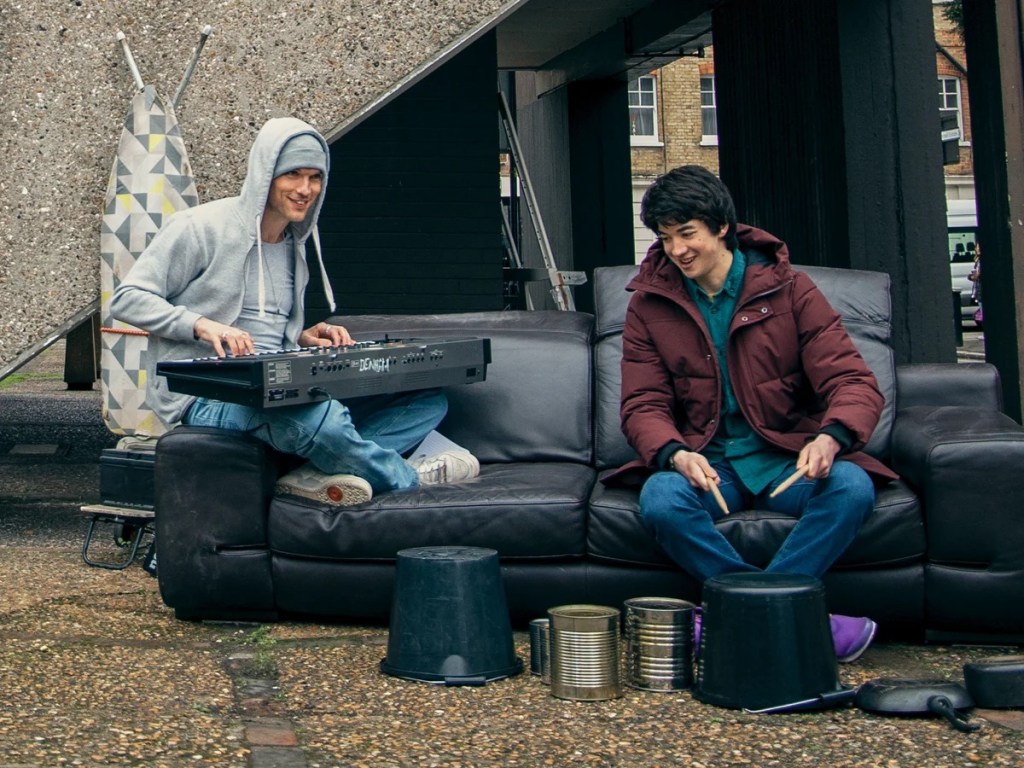
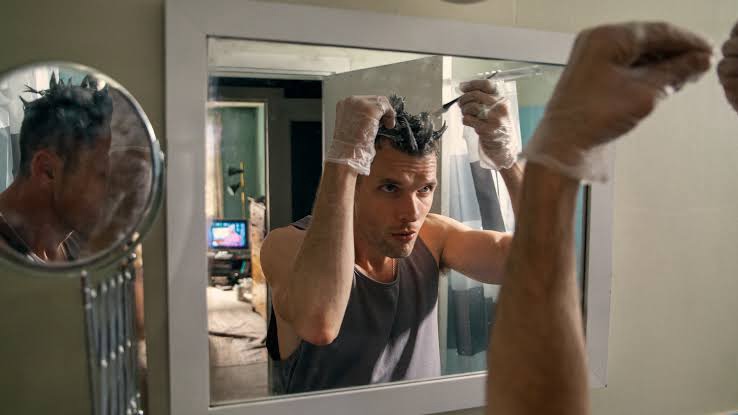
The film centres on Vince (Ed Skrein), once known as Vinnie D, a member of the popular boy band Stereo Dream. Twenty years on, his life looks very different. Gone are the sold-out venues, replaced instead by a lonely routine of carrying his keyboard, somewhat awkwardly strapped to an ironing board, from pub to pub, only to be turned away time and time again. It is clear that Vince is struggling to come to terms with the life he once had and the reality he now faces. While practising outdoors in Peckham, he is unexpectedly joined by Stevie (Leo Long), a young autistic man who begins playing along using drumsticks on a bench and a bin. The two quickly find a connection through music and what begins as a spontaneous jam session becomes the foundation for something more meaningful. Despite their very different circumstances, Vince and Stevie share a common ground that allows both characters to grow.
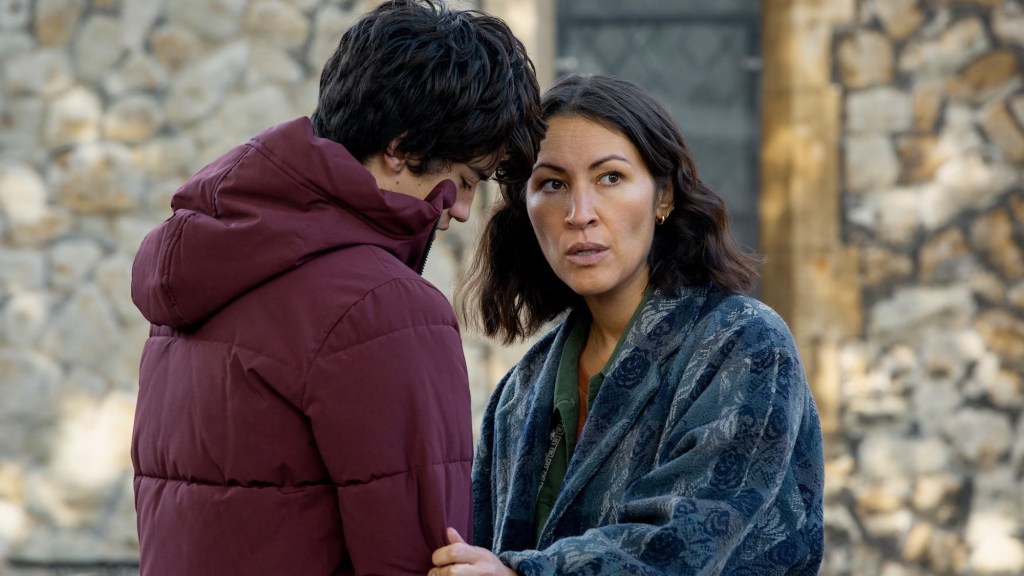
The film does follow a fairly predictable path, but it has enough depth and character development to remain engaging. Vince carries unresolved trauma that continues to shape his outlook, while Stevie is navigating his own challenges, particularly his desire for independence and the need to prove himself to his overprotective mother, Amber (Eleanor Matsuura). Their relationship is mutually beneficial, with each helping the other in different ways. Importantly, the film presents a positive and refreshing perspective on autism, showing that Stevie is not simply someone to be helped, but someone with agency, talent and emotional strength.
Leo Long, who is neurodivergent himself, brings authenticity to the role, and his performance is both natural and engaging. Stevie is a likeable character, and the audience is encouraged to root for him throughout. His passion for music and determination to carve out his own path are central to the film’s emotional core.
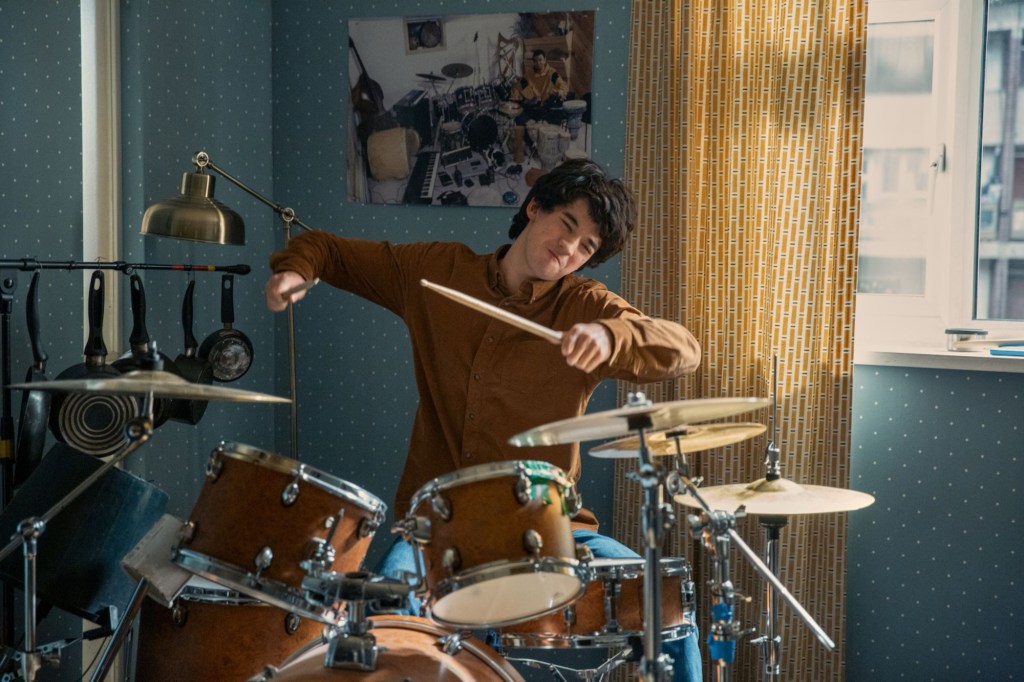
The film also offers an interesting commentary on fame. Rather than presenting it as something glamorous, it highlights the volatility of the industry in how quickly it can build someone up and just as quickly discard them. Vince’s past as part of what appears to be a manufactured boy band reinforces this idea. While he may once have been positioned as a potential breakout star, his life took a different turn following personal tragedy. Meanwhile, his former bandmate Austin (Eoin Macken) has achieved lasting success, adding a further layer of frustration and comparison to Vince’s story. The film portrays fame almost as an addiction, something Vince struggles to let go of, even when it may no longer serve him.
Music plays a central role throughout, and it is clear that writer-director Eddie Sternberg has a strong musical sensibility. The songs created by Vince and Stevie as part of their band, The Tin Men, are pleasant and fit well within the film, though they are not particularly memorable. They serve the story effectively, even if they lack the lasting impact of more iconic musical moments. The movie demonstrates the various therapeutic roles music can play in people’s lives.
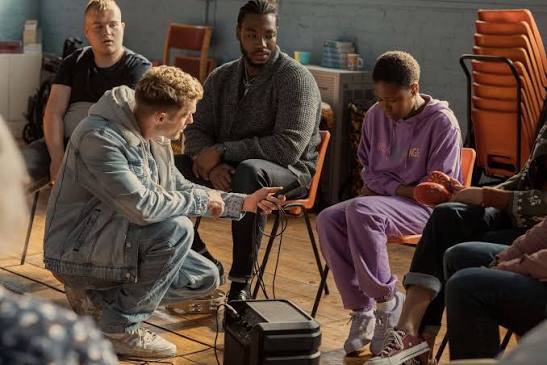
Overall, I Used to Be Famous is a warm and quietly uplifting film. While it may be predictable in places, it offers a thoughtful exploration of fame, identity and connection. At its heart, it is a story about the power of music and the unexpected relationships that can help us rediscover purpose. Ultimately, it proves that even when the spotlight fades, something more meaningful can take its place.
★★★ (3/5)
 Rhiann’s Reels