
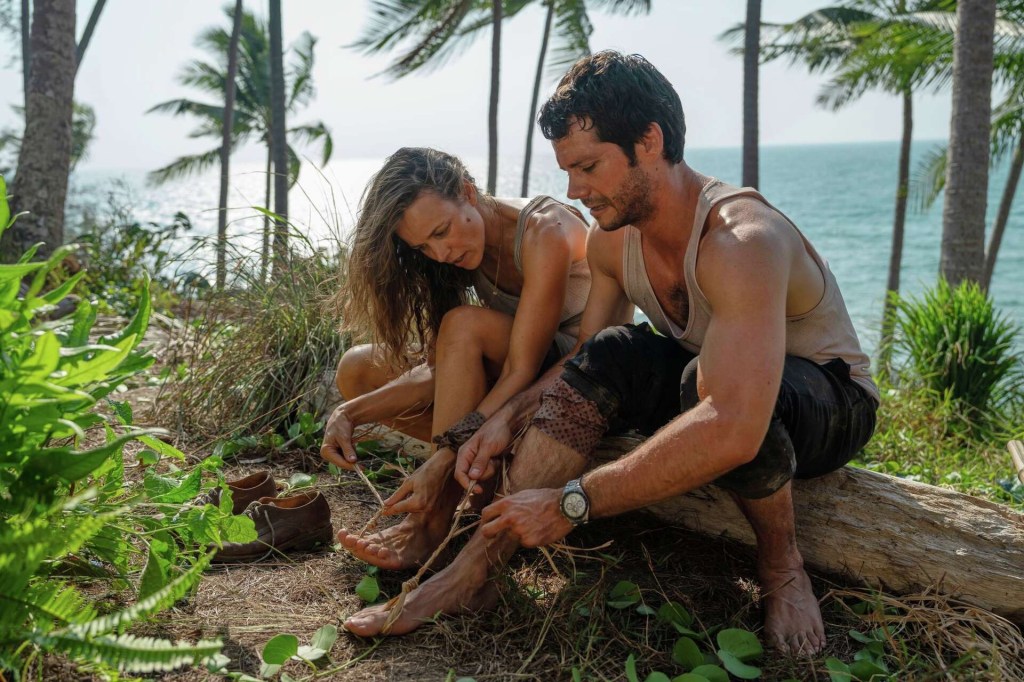
In one sentence: In Send Help, an underappreciated office worker and her privileged boss wash up on a deserted island after a plane crash where their workplace power struggle takes on a far more dangerous form.
We often imagine survival situations strip people back to their most basic instincts, removing the structures and hierarchies of everyday life. What happens, however, when the dynamics we carry from the workplace follow us even into the most extreme circumstances? Send Help takes a familiar survival premise and layers it with sharp corporate satire, exploring power, entitlement and resentment when two colleagues find themselves stranded far from civilisation.
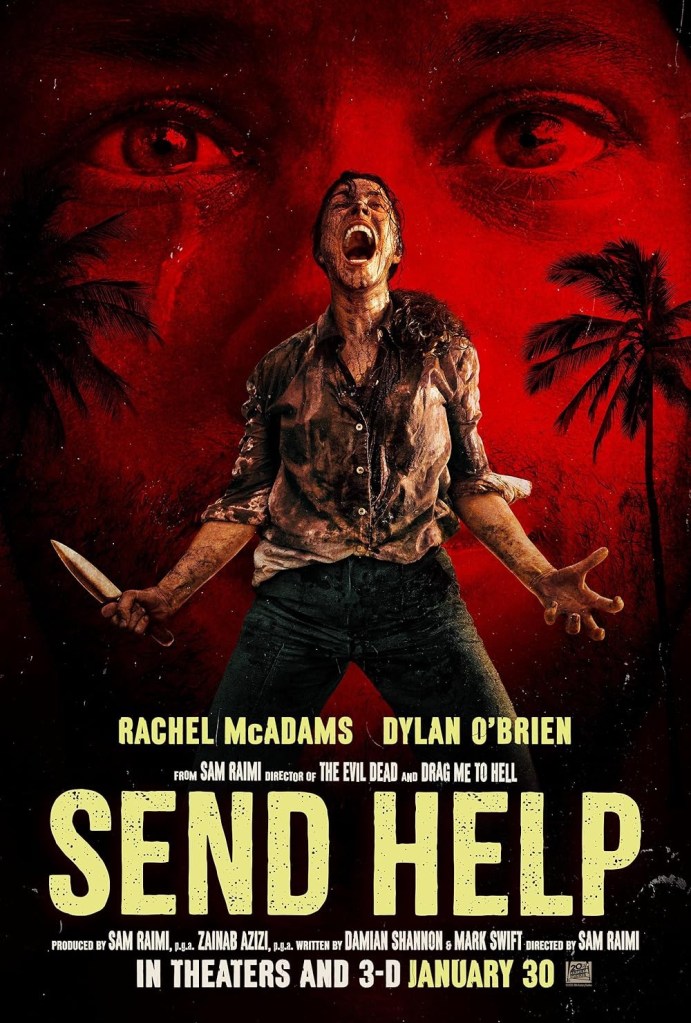
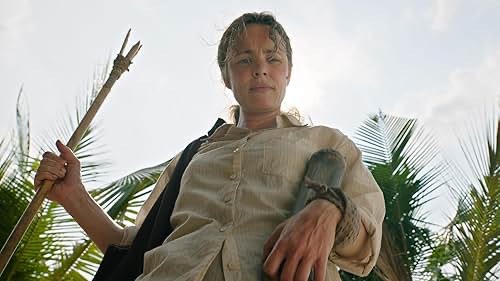
The film follows overlooked and overworked office employee, Linda (Rachel McAdams), who is consistently treated poorly by both her colleagues and her new boss, Bradley (Dylan O’Brien), the privileged son who has inherited his father’s company. Linda does much of the real work, but because she is perceived as scruffy and awkward, she is passed over in favour of Bradley’s fraternity friends and golf connections. We learn that Linda has an unusual passion for survival skills and even auditioned for the reality show Survivor, much to the amusement of her chauvinistic co-workers. Bradley invites Linda on an important company trip to Thailand after being told she is indispensable to the business. However, when the plane crashes, the two find themselves stranded together on a deserted island where the expectations and hierarchies they carried from the office begin to shift in unexpected ways.
The film explores themes of nepotism and workplace politics, highlighting how who you know can often matter far more than what you know. Early in the film, Donovan (Xavier Samuel) steals Linda’s reports and claims them as his own, securing the promotion she had been promised by Bradley’s father. The only real qualification Donovan seems to have is that he and Bradley play golf together and were members of the same fraternity. Linda’s frustration is compounded by Bradley’s open disdain for her, demonstrated in an amusing scene involving a tuna sandwich. The film makes it clear that Linda is trapped in a system where competence alone will never be enough to help her succeed.

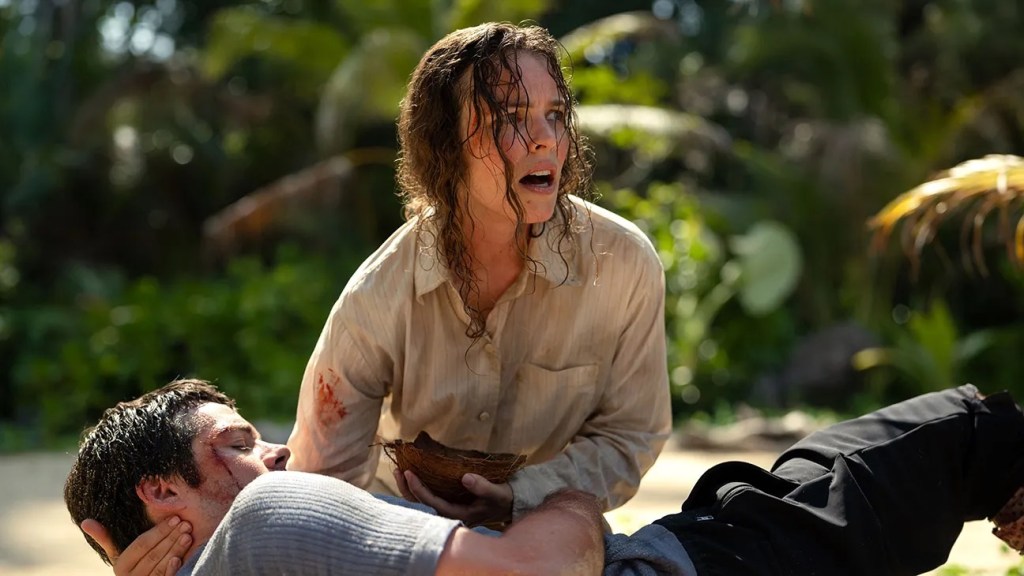
When the plane crashes, corporate structures should theoretically disappear. Yet Bradley still insists he is in charge, dismissing the practical survival work Linda is doing to keep them alive. In reality, Linda proves herself far more capable, tending to Bradley’s serious leg injury while establishing a surprisingly comfortable routine for survival. She ultimately holds the key to their survival and the balance of power begins to shift. At one point, after a particularly tense encounter, Linda delivers a memorable line reminding Bradley not to mistake her kindness for weakness, a sentiment many people may find painfully relatable.
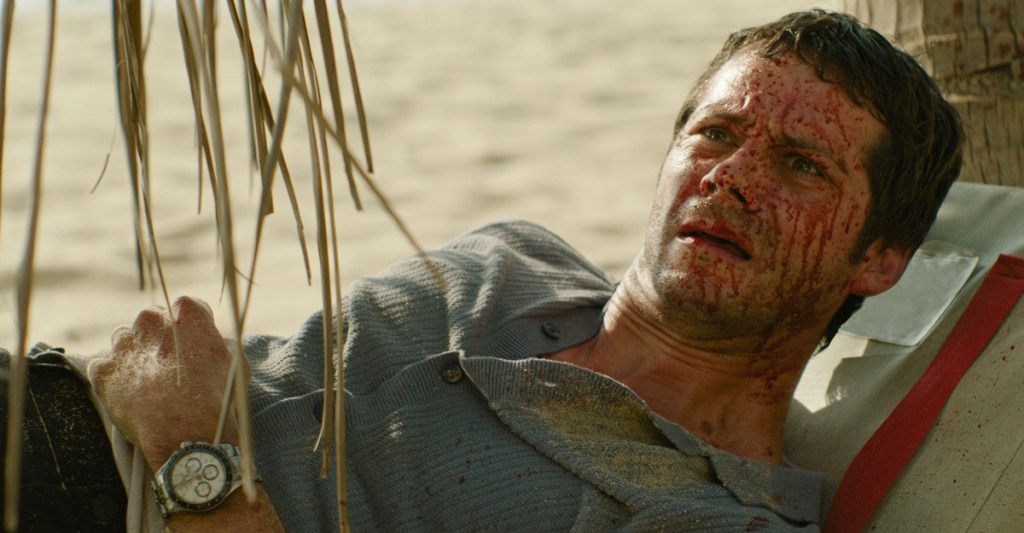
What begins as a survival thriller gradually reveals itself as something more layered through its corporate satire and psychological tension. There are also clear undertones of sexism at play, as Bradley consistently views women as objects rather than people with genuine expertise or value.
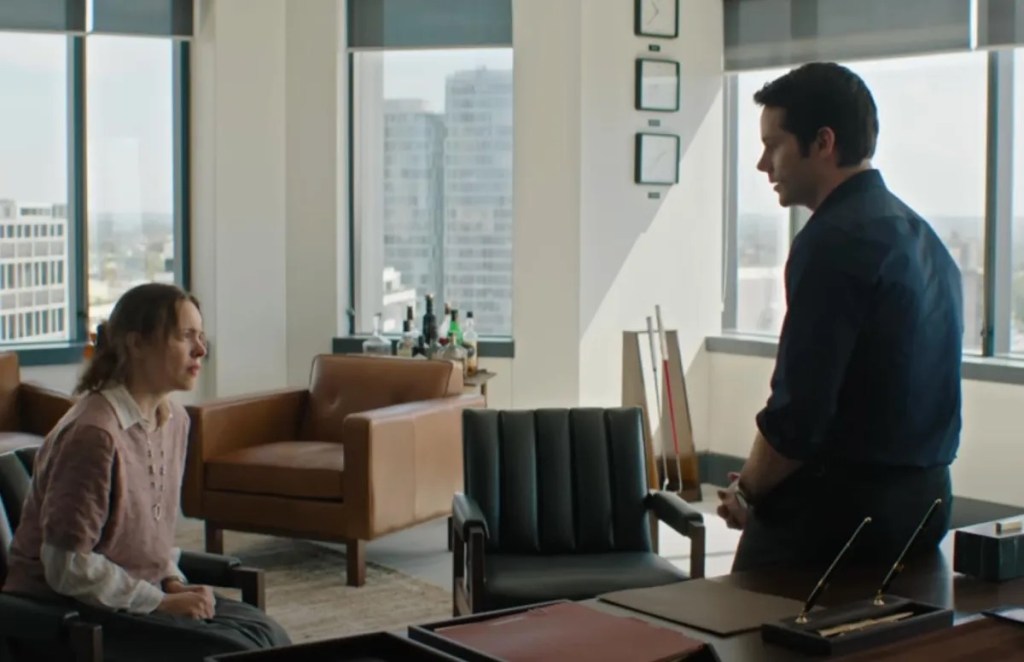
Linda makes a decision early in their time on the island that raises questions about her true motives. While survival is clearly the immediate goal, she also seems to thrive in this environment. Compared with her life back home, where she is overlooked and undervalued, the island offers a strange sense of freedom. There is even a part of her that appears to enjoy the time spent with Bradley despite his insufferable personality. Had Bradley treated her with more respect and created a workplace she actually wanted to return to, he might have spared himself a great deal of suffering.
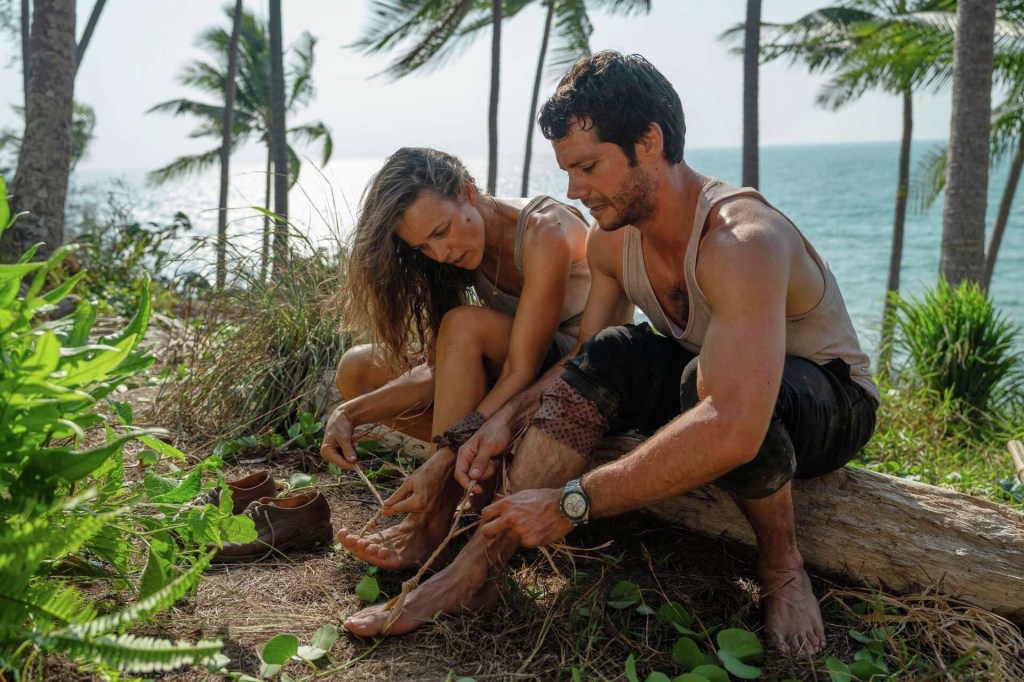
The film builds tension effectively as both characters navigate their uneasy partnership. Their strained history means trust is never fully established and rather than working together, they often sabotage one another, reinforcing the idea that survival can bring out the most selfish instincts in people. At the same time, the film suggests that had Bradley recognised Linda’s abilities and looked beyond her appearance, the two might have thrived together in something closer to a Robinson Crusoe scenario.
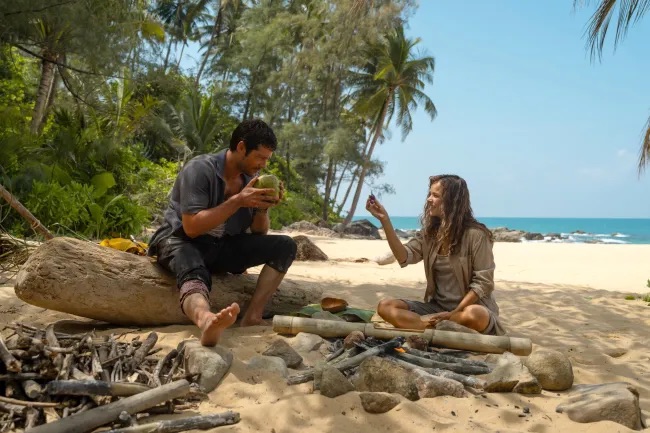
The island itself plays an important role in the story. It is visually beautiful but also unforgiving, with volatile weather, dangerous wildlife and poisonous plants reminding the characters and audience that appearances can be deceptive. This theme runs throughout the film, reflecting both the environment and the characters themselves.
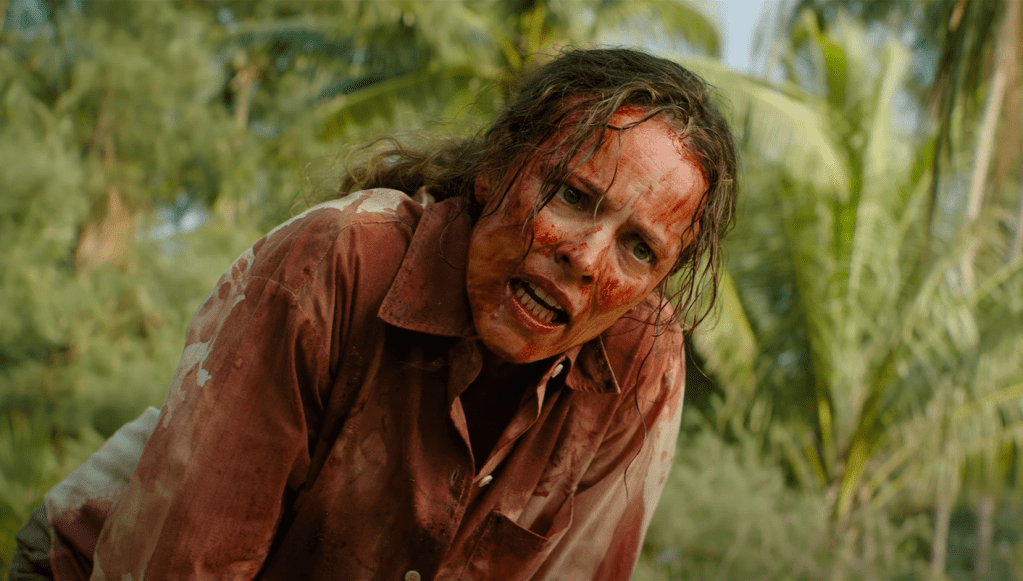
Both lead performances are strong. Rachel McAdams brings depth and unpredictability to Linda, capturing the character’s gradual shift from overlooked employee to someone far more unhinged and dangerous. Dylan O’Brien convincingly embodies Bradley’s entitled arrogance, presenting him as a man child who has never truly had to earn anything in his life. Their dynamic drives much of the film’s tension as desperation gradually pushes both characters to unexpected extremes.
Overall, Send Help is an entertaining and fascinating look at human psychology and power dynamics in an unusual situation. It is well paced, well acted and balances tension with dark humour throughout. It ultimately proves that escaping the office does not necessarily mean escaping office politics.
★★★★ (4/5)
 Rhiann’s Reels