
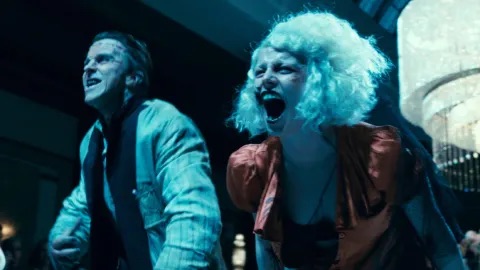
In one sentence: The Bride! follows a lonely Frankenstein who resurrects the body of a murdered woman to create a companion, only for the newly revived bride, influenced by the spirit of Mary Shelley, to challenge the world around her and the role she was created to play.
Sometimes Hollywood releases very similar films at around the same time, often referred to as ‘twin movies’. Famous examples include Antz and A Bug’s Life in 1998, The Prestige and The Illusionist in 2006 and No Strings Attached and Friends with Benefits in 2011. More recently we saw Elvis and Priscilla arrive within a year of each other. The latest pairing centres on Frankenstein. Guillermo del Toro’s Frankenstein was released at the end of last year, while Maggie Gyllenhaal’s The Bride! arrives in cinemas this weekend, having originally been planned for a similar release window.
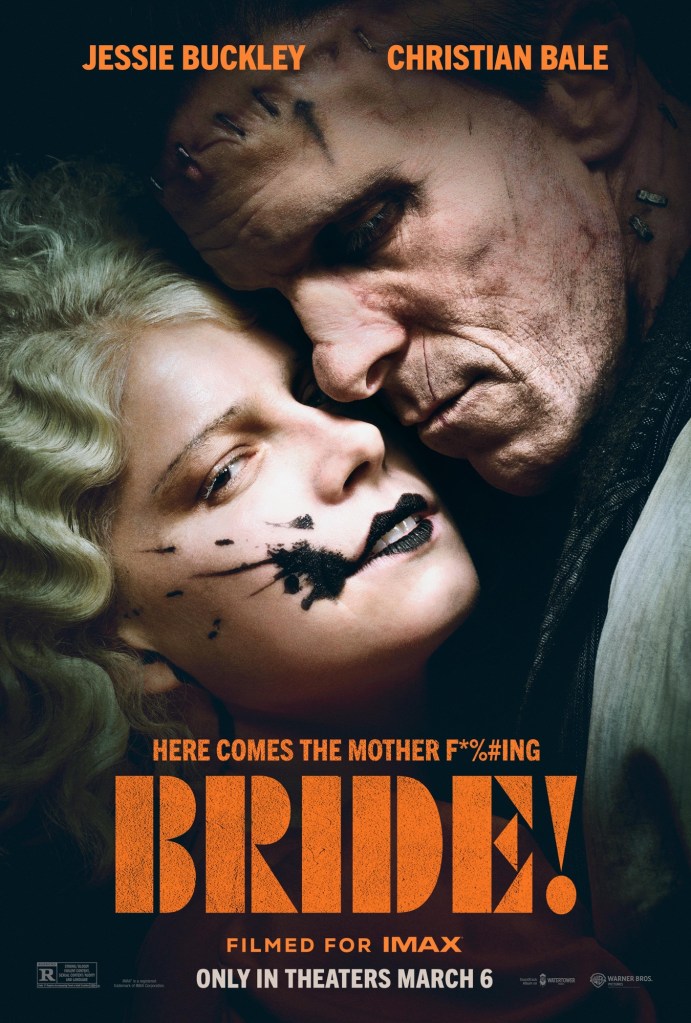
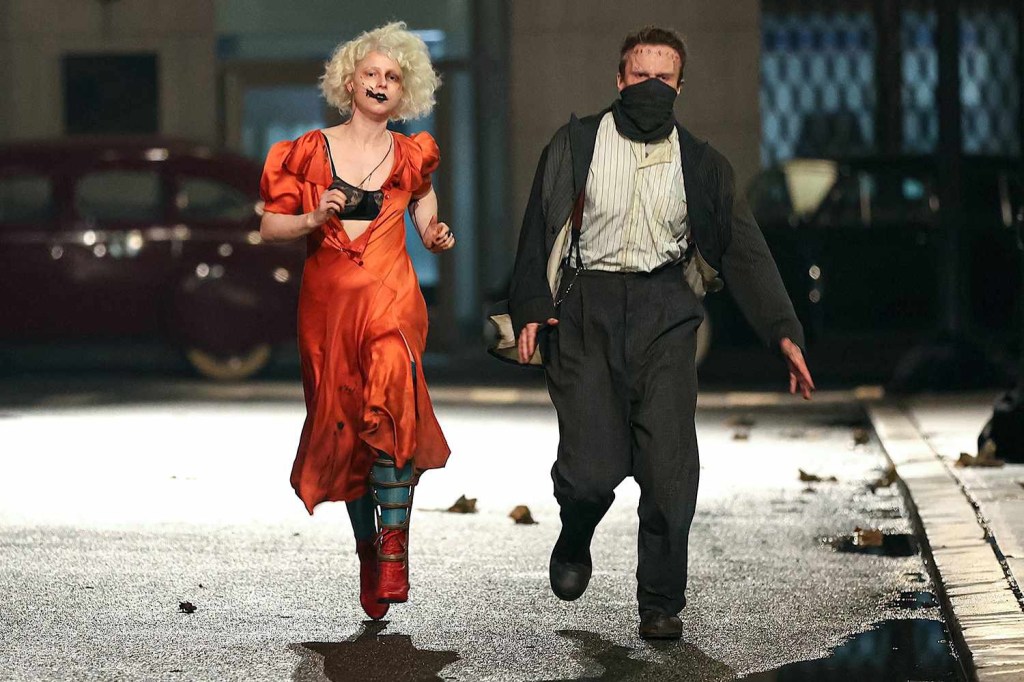
The film opens with Mary Shelley (Jessie Buckley) seemingly trapped in a strange limbo, possessing the body of Ida (also Buckley), a young woman in 1930s Chicago. The possession is immediate as Ida aggressively switches between her usual self and Mary with a British accent, an expansive vocabulary and a foul mouth. While socialising with men linked to the mob, Mary’s presence causes Ida to draw unwanted attention to herself. A fall down the stairs, later revealed to be murder, leaves Ida dead. Enter Frankenstein (Christian Bale), who approaches Dr Euphronius (Annette Bening) with an unusual request. He wants help creating a bride to cure his profound loneliness. Having spent years in isolation, his only solace has been cinema and his fondness for the films of Ronnie Reed (Jake Gyllenhaal). Despite her reservations, Dr Euphronius agrees, and together they exhume Ida’s body to ‘reinvigorate’ it. The experiment succeeds. Ida awakens still influenced by Mary Shelley but with little understanding of her past life. She and Frankenstein begin an uneasy partnership when two men attempt to assault her during a night out dancing and Frankenstein kills them, thereby forcing the pair to flee and setting the film’s story into motion.
The movie clearly aims to deliver a feminist message through Buckley’s character and the rebellion she inspires in other women. The intention is admirable, but the execution feels somewhat muddled. The film’s complex plot ultimately prevents its feminist themes from reaching their full potential. Supporting characters reinforce the message, particularly Penélope Cruz as the sassy secretary, Myrna Molloy, who proves far more capable than the detective she assists, Jake Wiles (Peter Sarsgaard). Likewise, the choice to make the doctor a woman further emphasises the film’s focus on female agency.
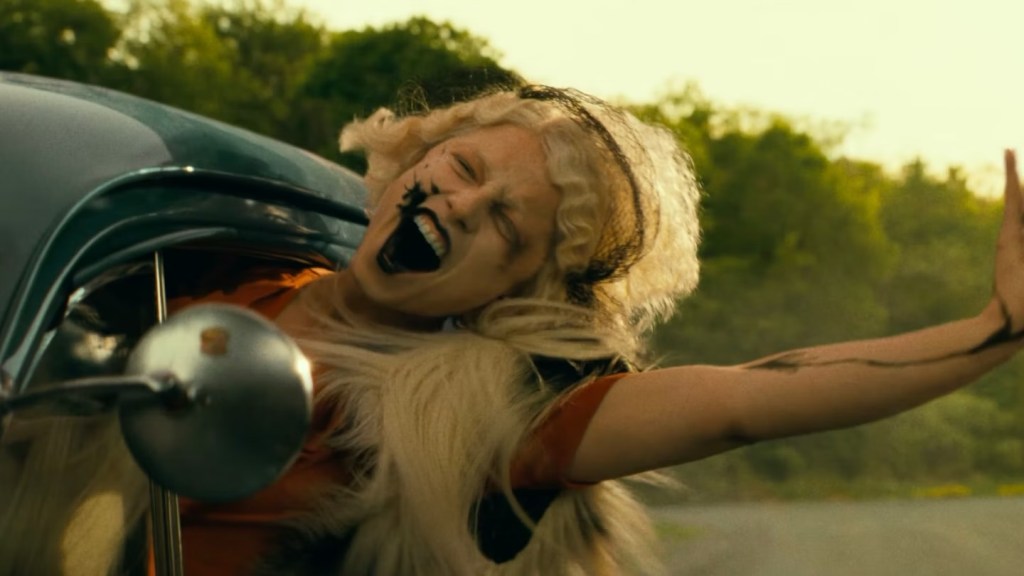
One of the film’s most difficult elements to reconcile is the decision to have Mary Shelley possess Ida while Frankenstein himself exists as a literal character within the story. The idea seems designed to foreground female authorship and Mary Shelley’s legacy, but it ultimately complicates Ida’s character rather than strengthening it. Later developments suggest Ida could easily have been a compelling character without the possession storyline. Jessie Buckley gives the role everything she has, but the concept makes the character harder to connect with.
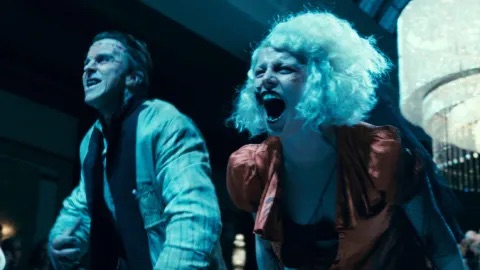
Through Ida’s story, the film raises familiar questions about who has the right to create or reshape life, a theme explored in many science-fiction films, including Passengers. Rumours suggest The Bride!’s release was delayed until after that Buckley’s awards campaign for Hamnet, which would make sense given how dramatically different the roles are. Buckley even gets to showcase her musical ability in several stylistic flourishes throughout the film first as noticed by Andrew Lloyd Webber during the reality show I’d Do Anything.
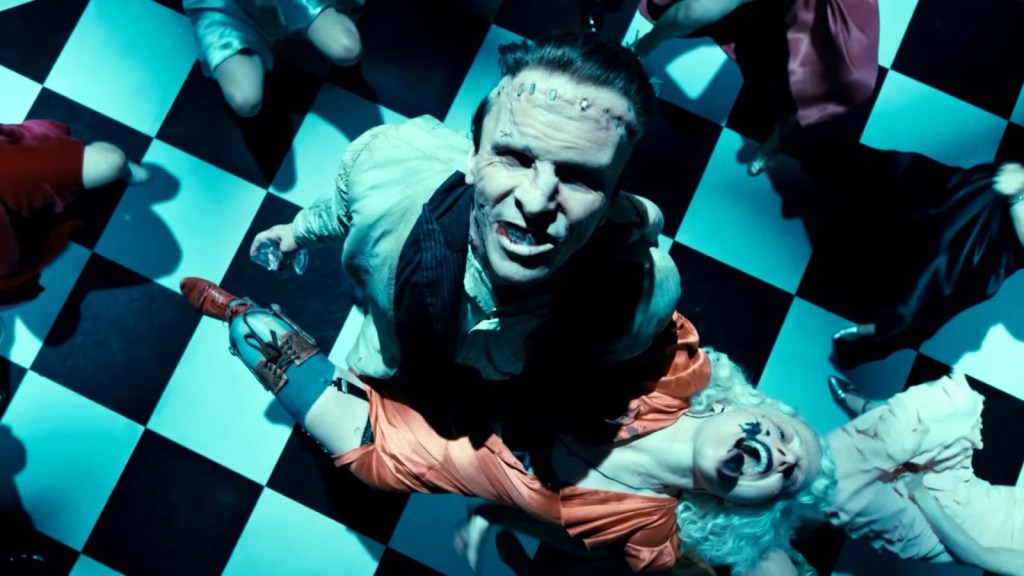
Christian Bale’s Frankenstein is portrayed as a sympathetic figure rather than a traditional monster. He is lonely, ashamed of his appearance and desperate for connection, finding comfort only in cinema. The film emphasises that Ida may be created as Frankenstein’s bride, but she ultimately belongs to no one, an important aspect of the story’s feminist message. Bale performs the role well, but comparisons with Jacob Elordi’s recent portrayal of the creature are difficult to avoid. His design occasionally feels closer to caricature, at times evoking Herman Munster, rather than a more gothic figure the film seems to aim for.
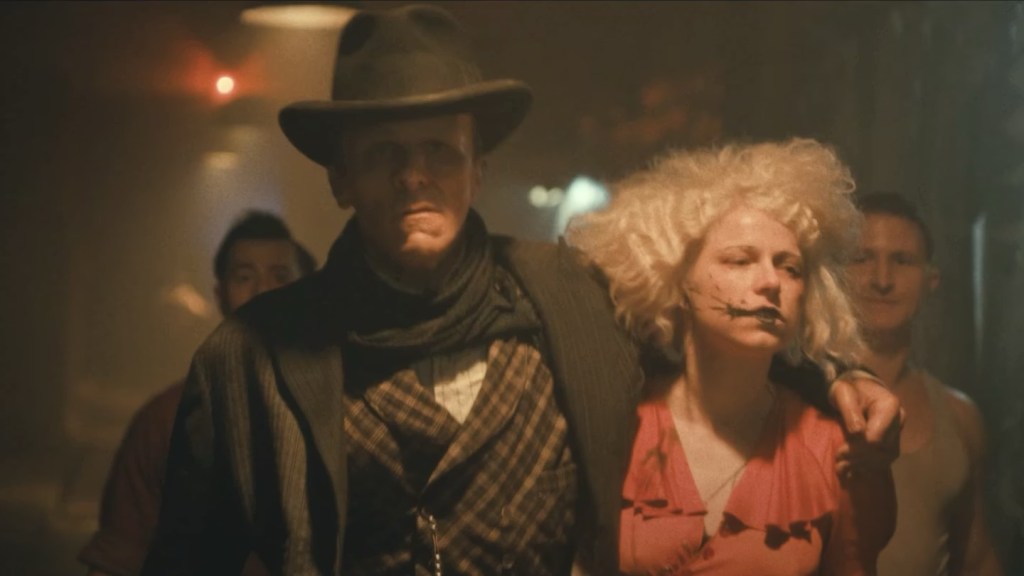
Hair and makeup choices are similarly striking but inconsistent. Many viewers will likely question the black mark on Ida’s face, later explained as part of the reinvigoration process. Visually it recalls the aesthetic seen in Joker: Folie à Deux, and comparisons may well be drawn. The film does capture the atmosphere of 1930s Chicago and New York, with some beautifully staged sequences, but the overall style feels uneven. The narrative itself also struggles under the weight of too many ideas, it is something akin to a gothic Bonnie and Clyde, but with numerous additional concepts layered on top.
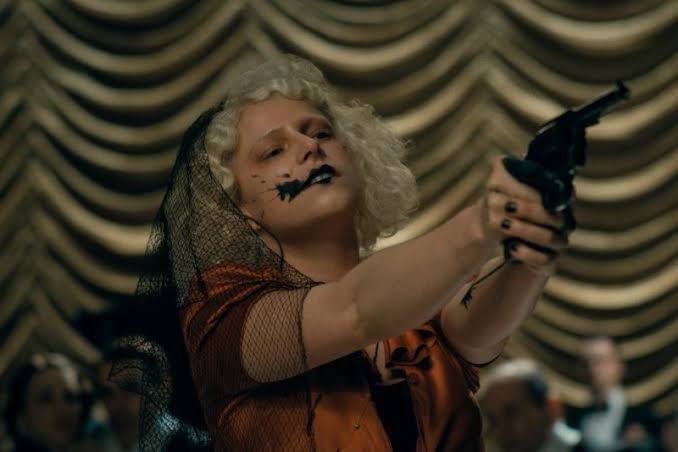
Overall, The Bride! is an intriguing idea that ultimately collapses under the weight of its own ambition. Despite committed performances and flashes of creativity, the film’s crowded storytelling and uneven tone prevent it from fully coming to life.
★★½ (2.5/5)
 Rhiann’s Reels