
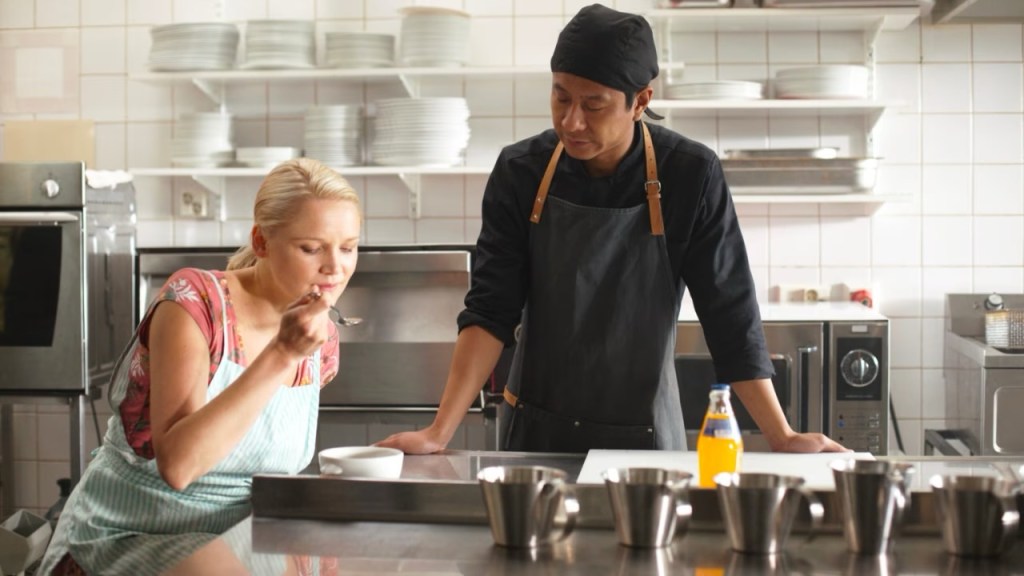
In one sentence: When a widowed Chinese chef and his young son arrive in a quiet Finnish town searching for a mysterious contact, an unexpected kitchen partnership sparks healing, friendship and a gently unfolding love story.
Not every film needs high stakes or dramatic twists to leave an impact. Master Cheng proves that a story can be quiet, measured and still completely satisfying, unfolding at its own pace and inviting you to slow down with it.
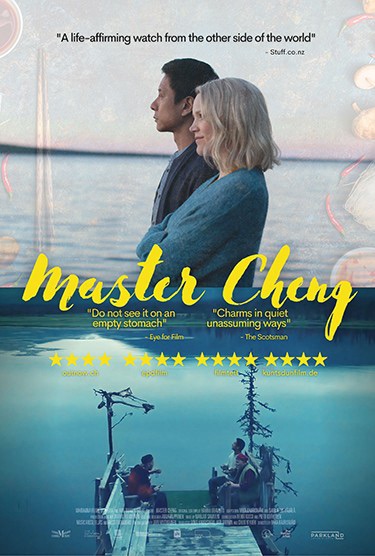
The film follows Cheng (Pak-Hong Chu) and his young son Niu Niu (Lucas Hsuan) as they arrive in the small Finnish village of Pohjanjoki in search of someone named Fongtron. The local café owner, Sirkka (Anna-Maija Tuokko) cannot help him with his search, but she offers what she can; traditional Finnish food, including sausage, which she jokes is Finland’s vegetable, and a room as there are no hotels in town.
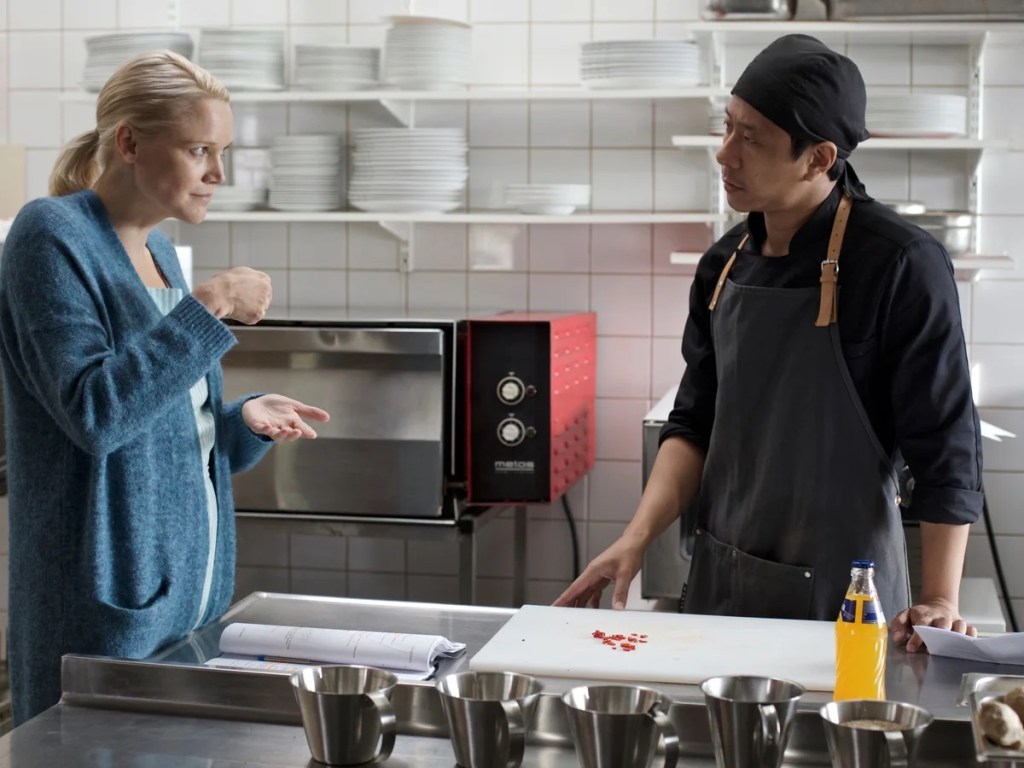
When a coach full of Chinese tourists breaks down nearby, Sirkka sees an opportunity for business. Unfortunately, her menu does not satisfy their tastes so Cheng steps in and prepares a traditional Chinese meal, transforming disappointment into delight. The food is vibrant, aromatic and restorative and the customers are instantly won over. A deal is between our main characters are struck where Cheng will help in the kitchen and Sirkka will help him search for Fongtron. What unfolds is a gentle cultural exchange and a slow-burning love story that warms you from the inside out.
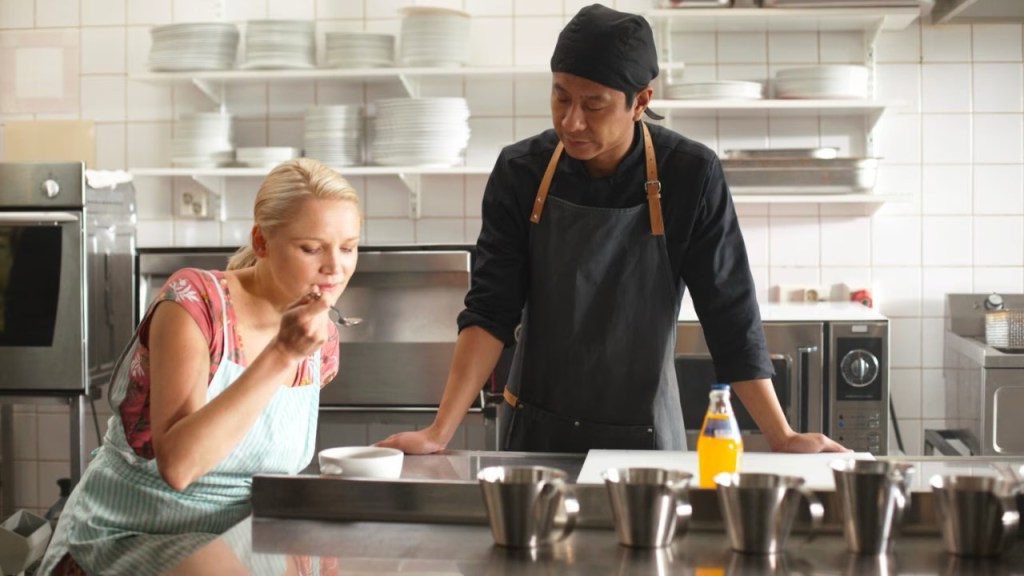
Food is the beating heart of the film. It bridges the cultural divide between Cheng and the people of Pohjanjoki, becoming both language and lifeline. His dishes bring colour and vitality to a sleepy town, turning meals into moments of connection. As Sirkka and her regulars, Romppainen (Kari Väänänen) and Vippula (Vesa-Matti Loiri) gradually embrace Cheng’s cooking, we see subtle but meaningful transformations. Their health improves, but more importantly, their spirits lift and we see this physically manifest. The restaurant becomes not only a place to eat but also a place to gather, share and heal.
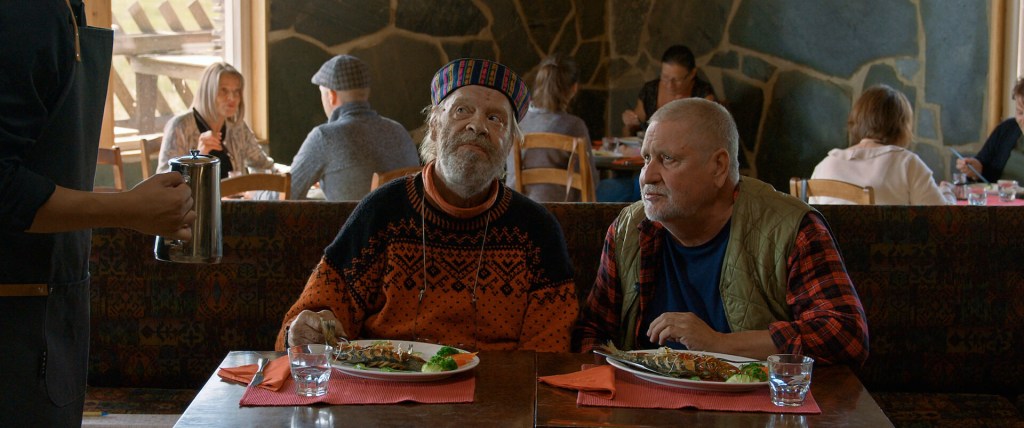
Cheng also introduces Sirkka to the philosophy behind his cooking with the balance of yin and yang and the belief that food can restore equilibrium. One particularly tender scene sees him calmly explaining which ingredients would help her during her period, handled with warmth and maturity rather than embarrassment. It is a lovely reminder that nourishment is not just physical, but emotional too.
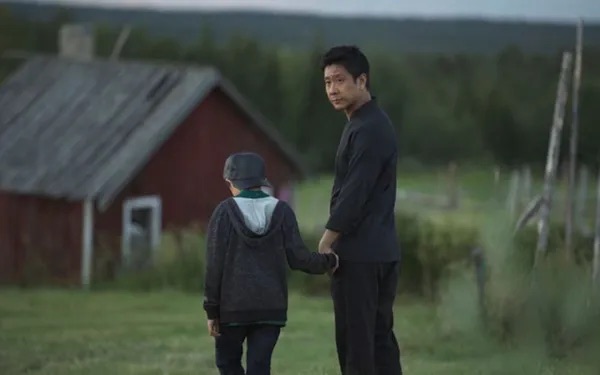
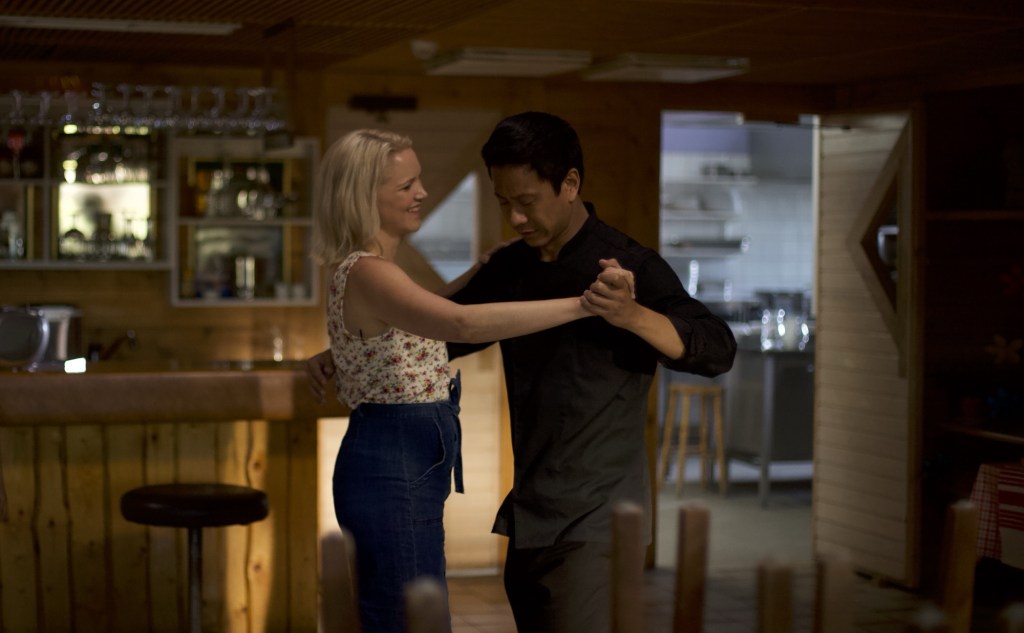
The romance between Cheng and Sirkka develops gently and without unnecessary sweetness or fire. It unfolds at a natural pace, like a dish left to develop its full flavour. Both characters carry grief and what they offer one another is not fireworks but comfort, companionship and second chances.
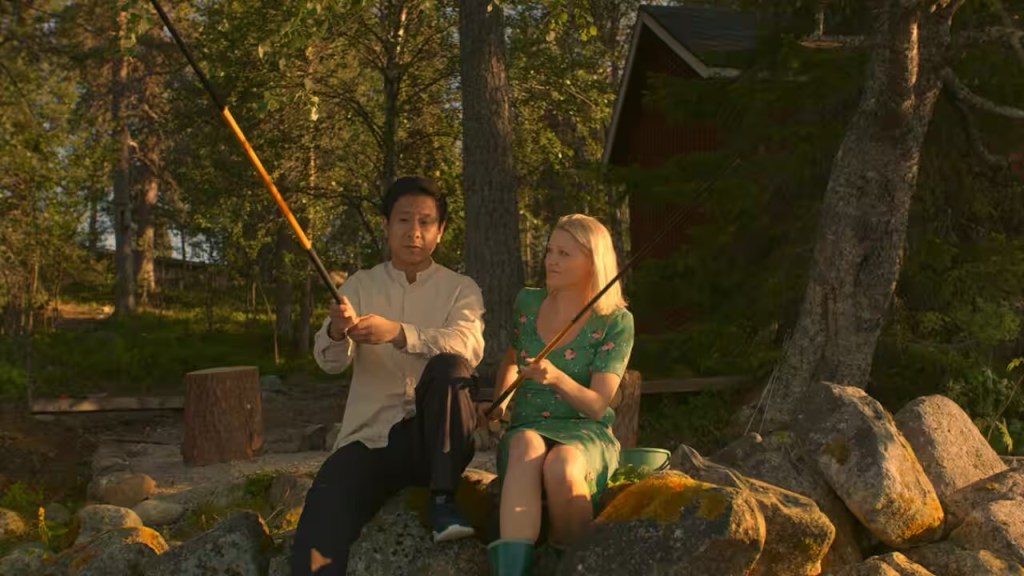
Lapland in summer is a revelation. Often associated with Christmas and snow, here it is bathed in soft light, clear waters and open skies. The setting mirrors the tone of the film. It is calm, spacious and quietly beautiful. Reindeer roam in their natural habitat and we see Finnish traditions of saunas, cold-water dips and fishing that emphasise simplicity and balance. Though Finnish and Chinese cultures may seem worlds apart, the film shows how naturally they complement one another when brought to the same table.
Overall, Master Cheng is a delicately crafted film that never forces its flavours. It is comforting without being bland, romantic without being saccharine. You leave feeling hopeful, satisfied and perhaps a little hungry. I, for one, promptly bought a Chinese cookery book after watching it. As a Valentine’s pick, it serves up not just romantic love, but familial love, community love and the quiet love found in quality shared meals.
★★★★★ (5/5)
 Rhiann’s Reels