
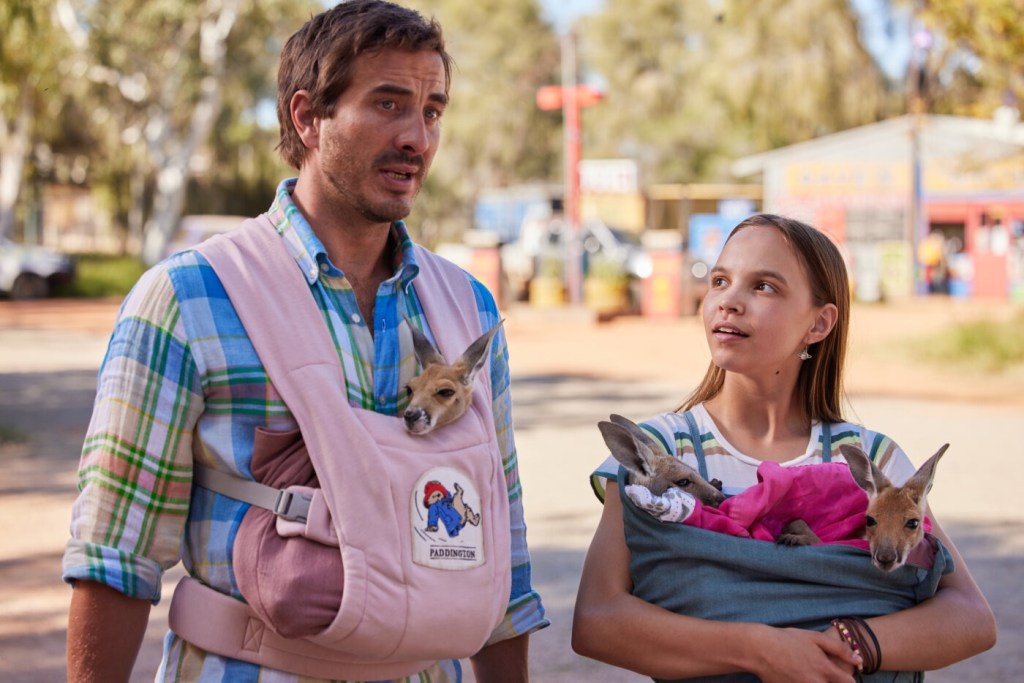
In one sentence: Kangaroo follows a disgraced TV weatherman and a grieving young girl whose shared care for an orphaned joey leads them both toward healing, purpose and an unexpected community.
Kangaroos are synonymous with Australia, but how much do we really know about these springy animals and the place they hold in Australian culture? Kangaroo puts these unique creatures centre stage in a warm, heartfelt family film that celebrates connection to nature, culture and one another.
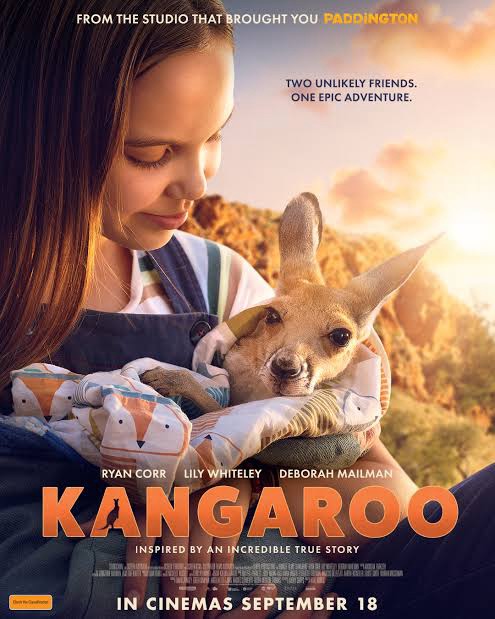
The film tells a fictionalised version of the founding of The Kangaroo Sanctuary, a real-life refuge established by Chris ‘Brolga’ Barns in Alice Springs. We meet Chris Masterman (Ryan Corr), a TV weatherman desperate for career progression and increasingly frustrated by not being taken seriously. While filming on Bondi Beach, he seizes the spotlight by rescuing a stranded dolphin. Initially applauded for his public goodwill, the situation changes and he finds himself abruptly cancelled. With his career stalled, Chris accepts a new job opportunity and drives across Australia, stopping in the small town of Silver Gum.

It is here that his life takes an unexpected turn when he accidentally hits and kills a kangaroo, discovering a living joey in her pouch. This moment brings him into contact with Charlie (Lily Whitely), a young Aboriginal girl grieving the loss of her father and adjusting to life back in her mother’s hometown. Charlie secretly rescues orphaned joeys, much to the concern of her mother, Rosie (Deborah Mailman). When Chris’ car is damaged in the accident, he is forced to stay in Silver Gum, reluctantly caring for the joey, an act that becomes the catalyst for a deeply emotional and transformative journey.
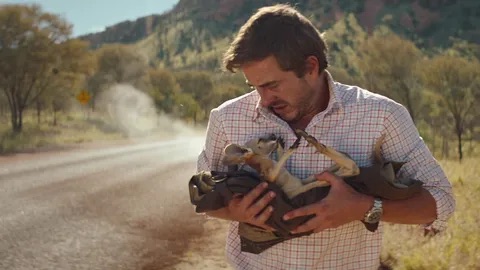
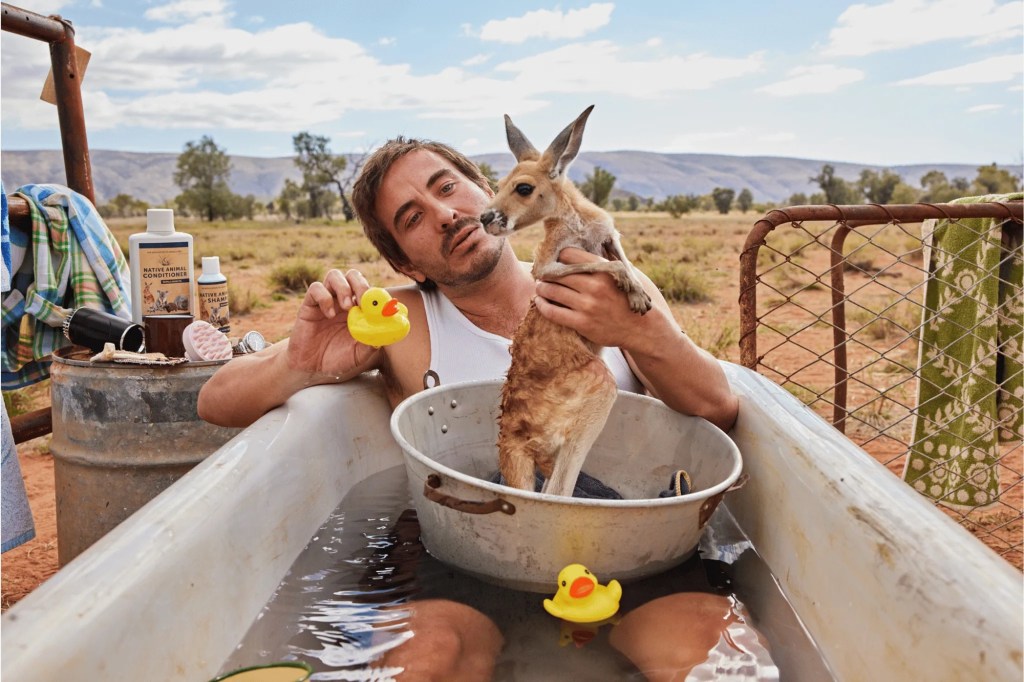
Australian cinema has a particular gift for balancing humour, humanity and nature and Kangaroo wholeheartedly embraces this tradition. The film leans into caricature at times, particularly in Chris’ early portrayal, but as he grows more grounded the intention becomes clear. This is a story about growth, community and learning to care for something beyond oneself, even if those lessons are delivered with little subtlety.
The ensemble cast adds warmth and texture throughout. Rachel House is a standout as Jessie, while Wayne Blair brings quiet humour as Charlie’s grandfather, Ralph. Newcomer Lily Whitely is especially impressive in her feature debut, giving Charlie a natural confidence and emotional depth that anchors the film. There is a sense of genuine affection among the cast and the closing credits confirm just how much joy went into making this film, particularly working with the joeys who are rescues from The Kangaroo Sanctuary.
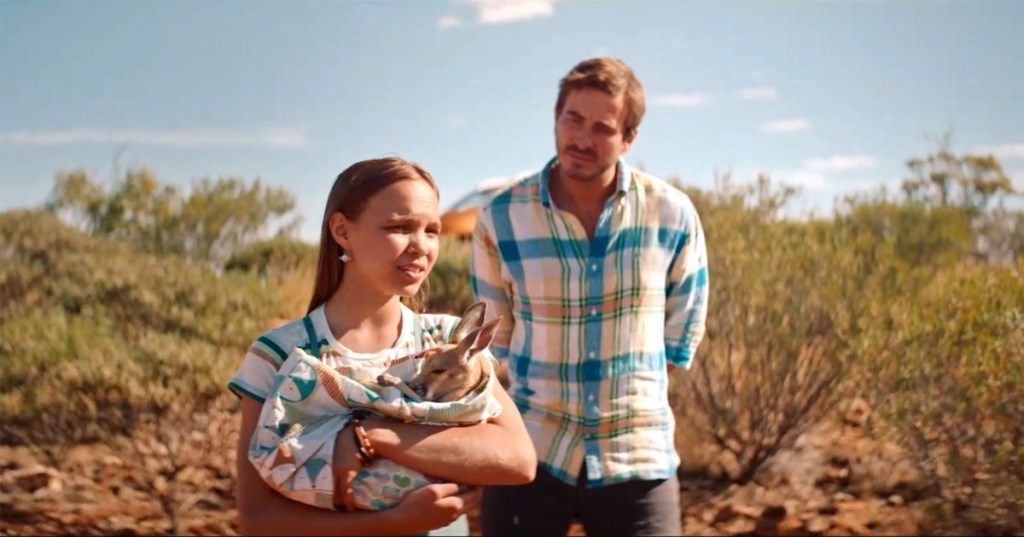
One of the film’s strengths is its respectful incorporation of Aboriginal culture. Charlie’s family heritage is woven thoughtfully into the narrative with her late father’s artwork and spiritual connection to kangaroos underscoring the deep cultural ties between land, animal and identity. The film also raises awareness of the surprising reality that kangaroos are not a protected species, making Charlie’s instinctive care for the orphaned joeys feel so meaningful.
Kangaroo does take considerable liberties with its ‘inspired by a true story’ claim. While Chris Barns did found The Kangaroo Sanctuary, his real-life background differs significantly from the version presented on screen and a distinction is made by using a different surname. He was never a weatherman, nor publicly cancelled and had extensive experience in wildlife care prior to rescuing his first joey. This is cinema reshaping reality to create a clearer character arc. While understandable, it does raise the question of why the real story was not trusted to stand on its own, though the fictionalised journey arguably offers a more accessible and inspirational transformation.
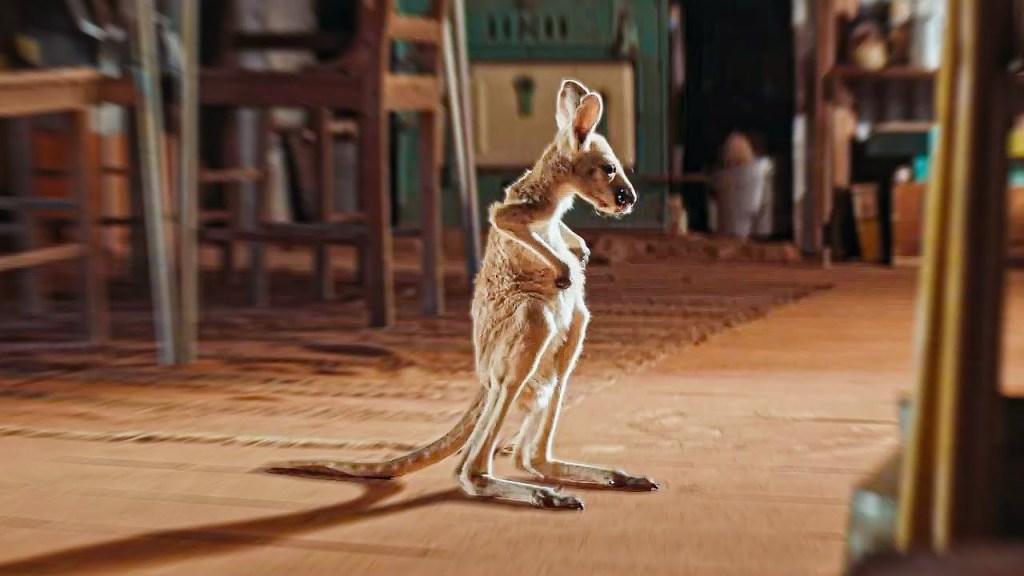
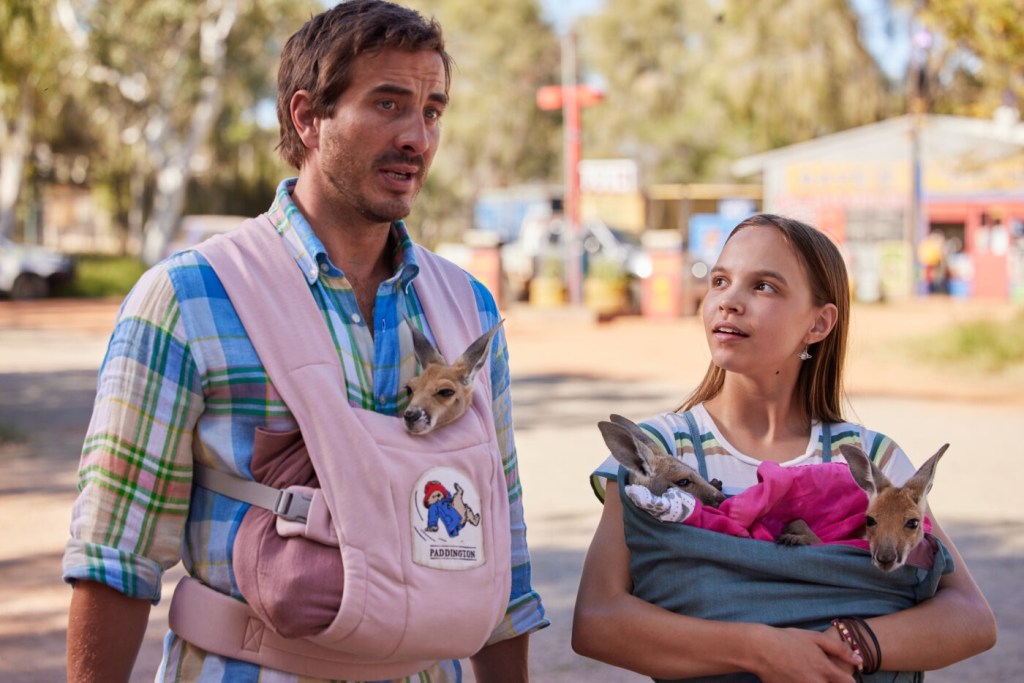
Ultimately, the true scene stealers here are the animals and the Australian landscape. The joeys are utterly adorable, bundled into pillowcases, carriers and makeshift beds. Their presence alone is enough to melt even the most cynical viewer. Combined with sweeping outback vistas and a community that rallies together, the film radiates warmth.
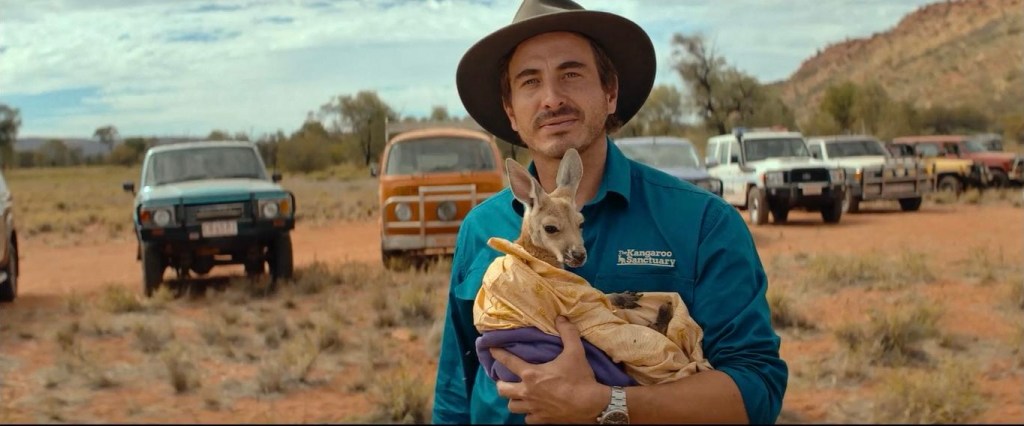
Overall, Kangaroo is a charming family film with a beautiful message and even cuter animals. It brings together many of the elements Australian cinema does so well with its warmth, humour, nature and emotional honesty. It leaves audiences not just smiling, but with a spring in their step, much like the kangaroos it celebrates.
★★★★ (4/5)
 Rhiann’s Reels