
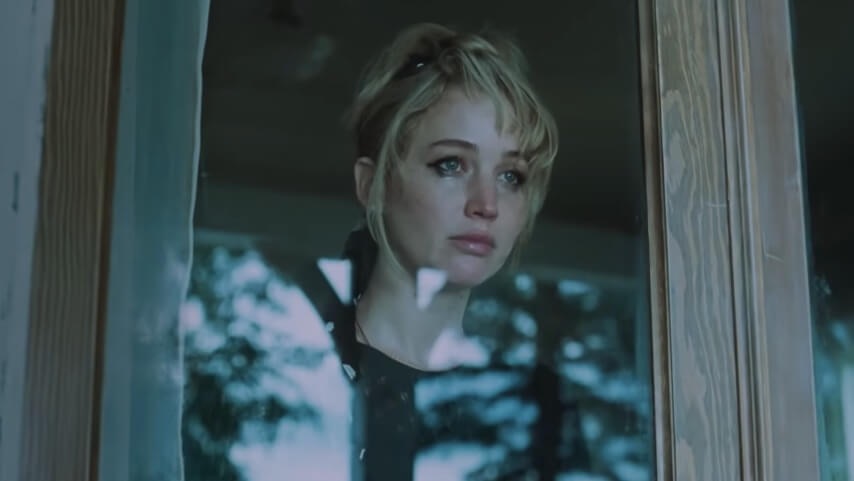
In one sentence: Die My Love presents a new mother’s descent into postnatal depression and psychosis that is intensified by isolation, dislocation and the emotional fallout of motherhood.
We are often told that becoming a mother is transformative in the best possible way, but cinema rarely explores what happens when that transformation is destructive rather than enriching. Die My Love confronts this uncomfortable reality head on, placing mental illness at the centre of its story.
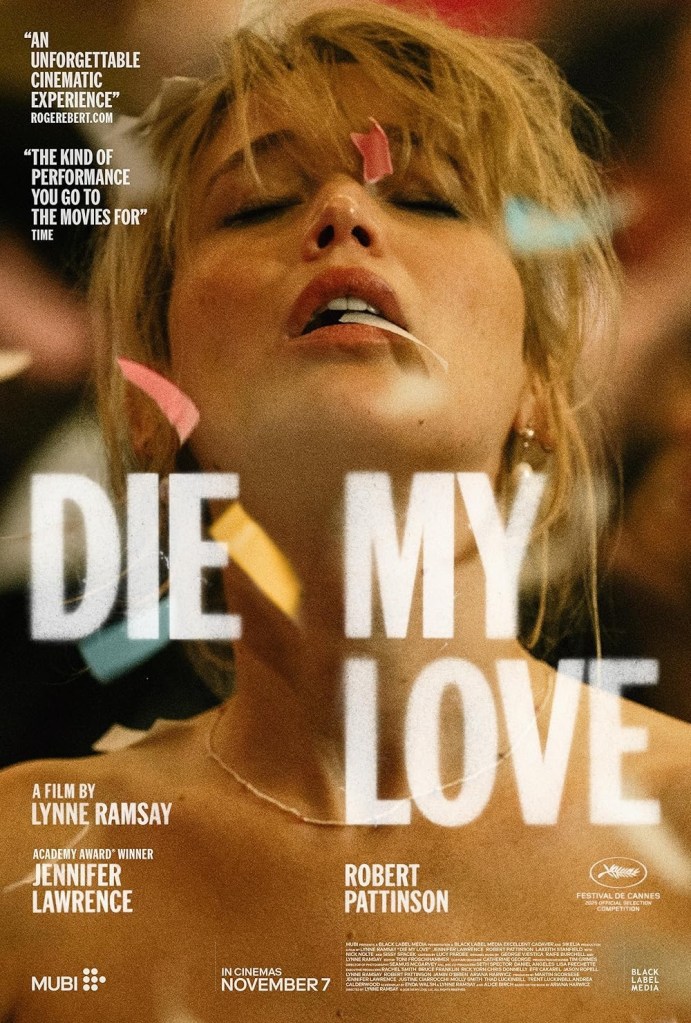
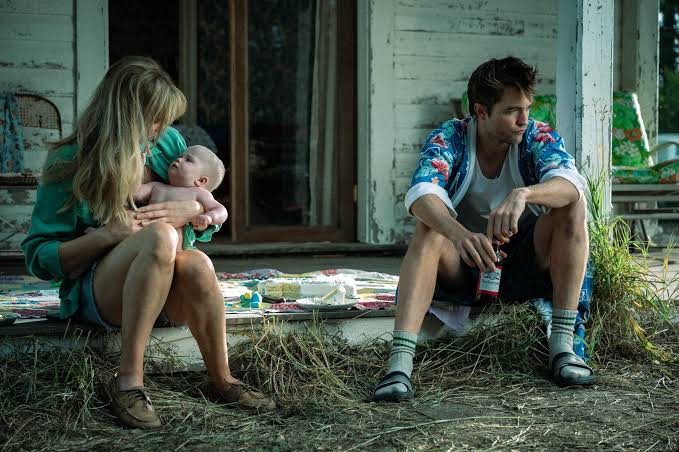
Jennifer Lawrence stars as Grace, a writer who relocates to rural Montana before falling pregnant and giving birth. Removed from familiarity, routine and support, the isolation compounds her descent into postnatal depression and psychosis. The film follows her deterioration with an unflinching eye, examining an illness that affects many women in varying degrees.
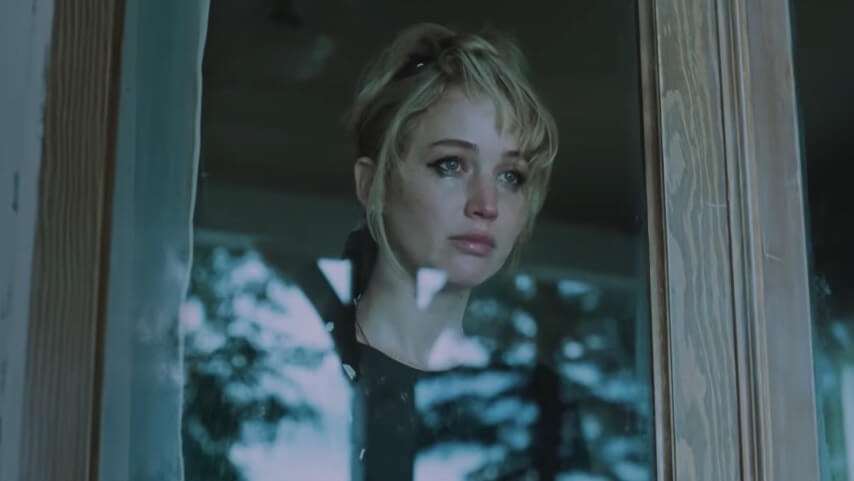
Lawrence’s performance has been widely praised and for good reason. She gives herself over entirely to the role, delivering a raw, uninhibited portrayal that marks a decisive return to serious dramatic work after her jarringly misjudged turn in the 2023 comedy No Hard Feelings. Die My Love is not a plot-driven film but a character study and Lawrence plays Grace without softening her edges. She is volatile, erratic and sometimes difficult to empathise with, a choice that feels both deliberate and honest. According to interviews, Martin Scorsese recommended the role to Lawrence after reading the novel by Ariana Harwicz in his book club and it is easy to see why as her performance is completely uninhibited.

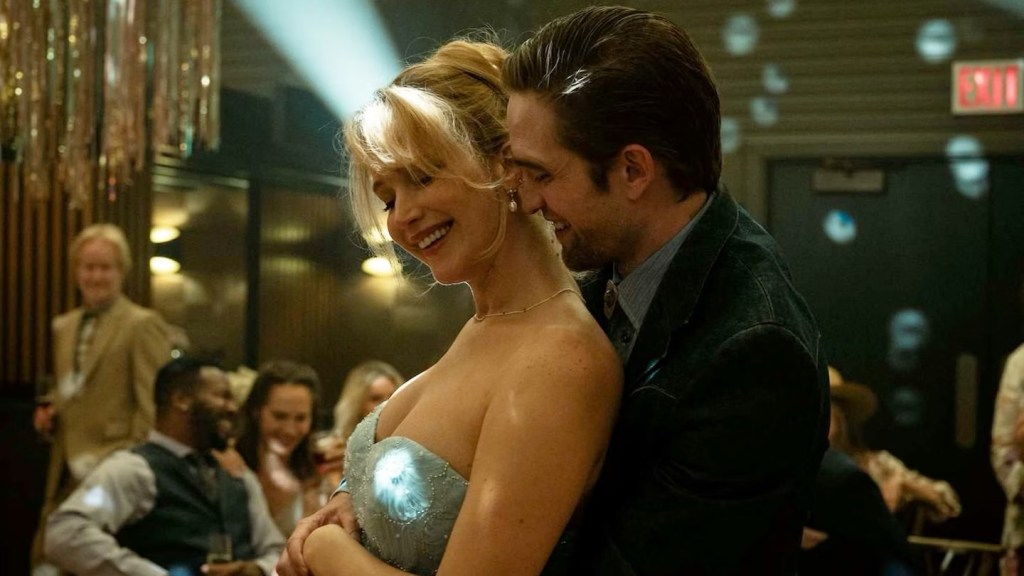
Robert Pattinson delivers a quietly effective turn as Jackson, Grace’s partner, caught between ignorance and helplessness. At times he is frustratingly oblivious to Grace’s needs, shown in his decision to buy a dog instead of the cat she wanted to deal with a rat problem, yet he is also visibly overwhelmed and lost as time goes on. Pattinson captures the slow erosion of a man watching his partner unravel, growing increasingly worn and fearful. The film smartly acknowledges that postnatal mental illness radiates outward, affecting everyone in its orbit. Supporting performances from Sissy Spacek and Nick Nolte add depth and gravitas to a story that can otherwise feel deliberately claustrophobic.

Despite the vast open spaces and relentless sunlight of Montana, Grace’s world feels suffocatingly small. Her isolation is heightened by long stretches of silence, punctuated only by insects and ambient noise while Jackson is frequently absent at work. When Grace encounters others she is abrasive and erratic, at home she self-harms, creates spectacles and spirals further. Flashbacks to her pre-motherhood self who was sexually confident, creatively fulfilled and emotionally present, underline the magnitude of what she feels she has lost. Some of Grace’s actions, particularly those involving the family dog, are deeply challenging to watch, but the film makes clear she is not operating from a place of rationality.

Director Lynne Ramsay’s character driven style is evident throughout and the film’s unconventional pacing and structure will divide audiences. Motherhood is presented not as fulfilment but as rupture. It is the cause of Grace’s loss of identity, autonomy and creative self. This is a perspective that challenges traditional narratives around women and maternal instinct. Grace’s distance from her baby is stark and unsettling, reinforcing her confusion and grief for the life she no longer recognises.
The film’s ending is deliberately ambiguous, allowing for both literal and symbolic interpretations. This openness will frustrate some viewers and resonate deeply with others, but it feels appropriate for a film more concerned with emotional truth than narrative.
Overall, Die My Love is an intense and uncompromising experience, anchored by a fearless performance from Jennifer Lawrence. It exposes the very real dangers of postnatal depression and psychosis, showing how isolation, misunderstanding and environment can accelerate self-destruction. This is not an easy watch, nor one designed for broad appeal, but it is powerful.
★★★ (3/5)
 Rhiann’s Reels