
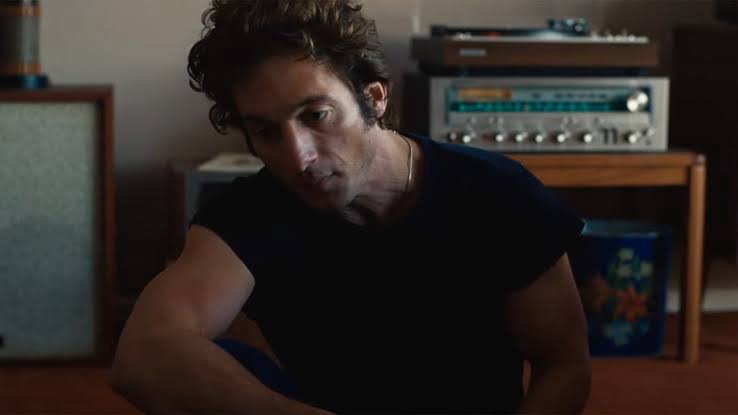
In one sentence: Set during the recording of Nebraska, Springsteen: Deliver Me From Nowhere follows a young Bruce Springsteen as personal trauma and rising fame collide, forcing him to confront his growing depression.
Suicide is the leading cause of death amongst men under 50, with figures continuing to rise, which is why conversations around depression feel more urgent than ever. Springsteen: Deliver Me From Nowhere is a quietly surprising biopic that places mental health at its centre, showing how even a young man on the brink of global success can be overwhelmed by melancholy.
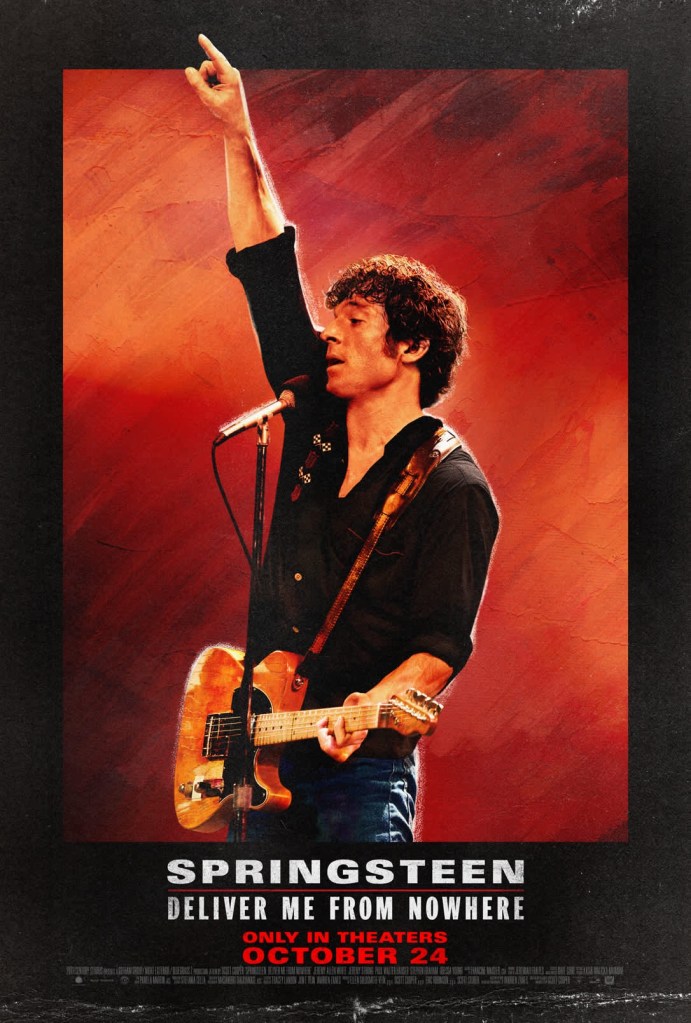
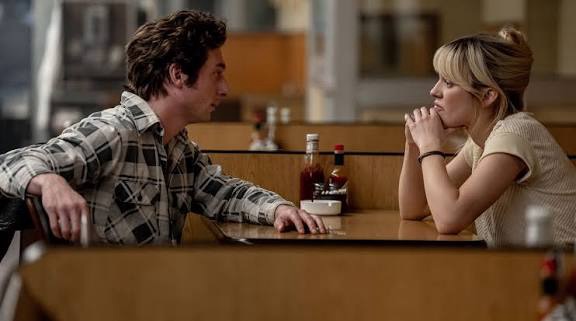
The film captures Bruce Springsteen (Jeremy Allen White) at a particularly vulnerable point in his life as he records his haunting folk album Nebraska. Through black and white flashbacks, we see a childhood shaped by fear and instability, dominated by a volatile and abusive father (Stephen Graham) whose presence leaves a lasting mark. As an adult, Bruce carries this trauma. Although his career is accelerating, he finds himself unable to enjoy his present, including a budding romance with single mother, Faye (Odessa Young), and the growing recognition of his work, including reactions to what will become one of his most iconic songs, Born in the U.S.A. What emerges is a portrait of a deeply introspective man slowly sinking into depression.
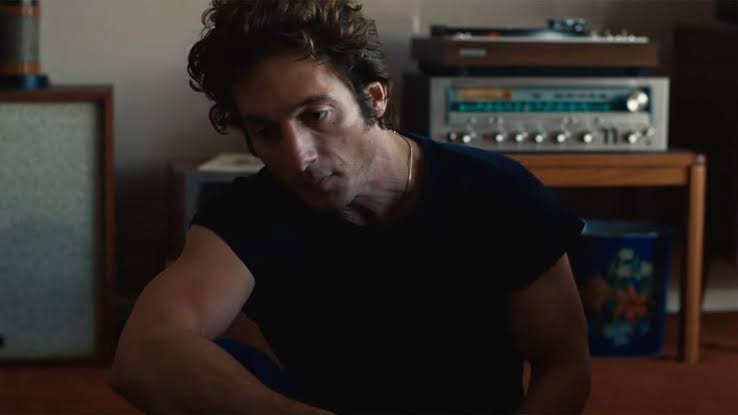
There is no shortage of musician biopics, from Bohemian Rhapsody to Rocketman and more recently A Complete Unknown, but Springsteen: Deliver Me From Nowhere distinguishes itself by stripping away spectacle in favour of intimacy. Without the music, Bruce could almost be anyone. There is no cockiness, just a wounded man trying to make sense of himself. Jeremy Allen White gives a quietly powerful performance, bringing weight, restraint and vulnerability to the role. Already impressive in The Bear, here he channels a heavy stillness that feels painfully authentic. He also performs the songs himself and, despite claiming not to be a singer, delivers a rough, gravelly sound that feels very authentic.

The supporting cast is equally compelling. Jeremy Strong brings warmth and quiet devotion to Jon Landau, Springsteen’s manager and producer. His attempts to understand and support Bruce feel deeply compassionate rather than transactional. Odessa Young has natural chemistry with White and brings tenderness to Faye, making Bruce’s emotional distance all the more frustrating. Paul Walter Hauser appears briefly as Mike Batlan, though his role feels underwritten for an actor of his calibre. Stephen Graham is, once again, impressive, navigating the frightening volatility and buried fragility of Springsteen’s father with such nuance.
Depression is treated with seriousness and respect and the film makes clear that Springsteen’s struggles did not end with this chapter of his life. Certain moments stand out for their honesty such as reckless speeding down empty roads, lying alone while dark music plays and the intrusion of painful memories. The film refuses to romanticise this period, instead framing Nebraska as a form of emotional therapy. Crucially, it also highlights the importance of seeking help, offering a note of hope without diminishing the reality of long-term mental illness.

Springsteen: Deliver Me From Nowhere is not a conventional biopic charting the rise of a legend. Instead, it offers a far more intimate portrait of a man before the myth solidified. In doing so, it feels honest, moving and unexpectedly affecting.
★★★★ (4/5)
 Rhiann’s Reels