
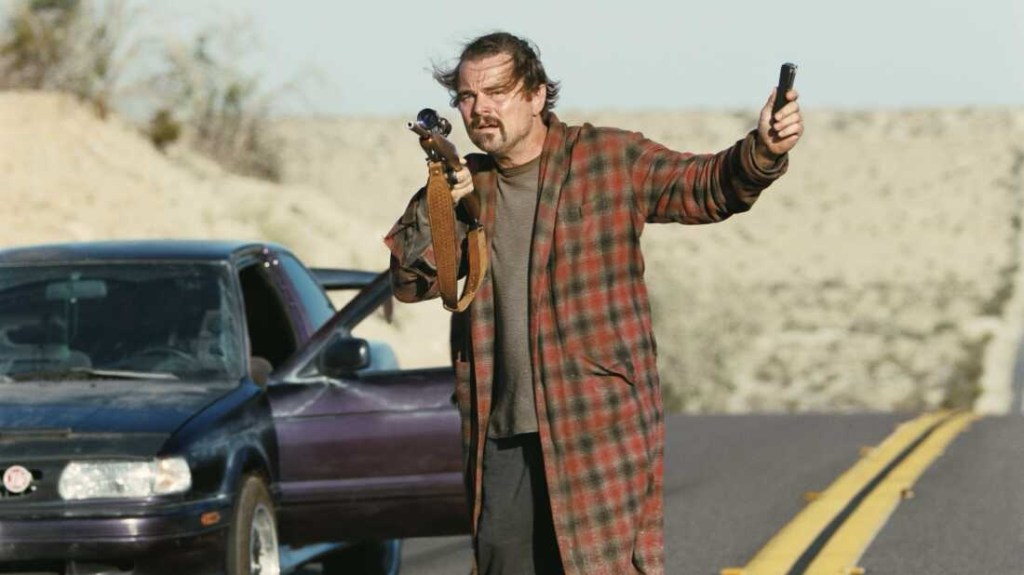
In one sentence: One Battle After Another follows a former revolutionary forced back into conflict when the past he tried to escape comes violently for his daughter.
Cinema often treats conflict as something external, a battle to be fought and resolved, but One Battle After Another is more interested in conflict as a way of living. From its opening moments, the film presents struggle as cyclical and inherited, blurring the boundaries between ideology, identity and survival.
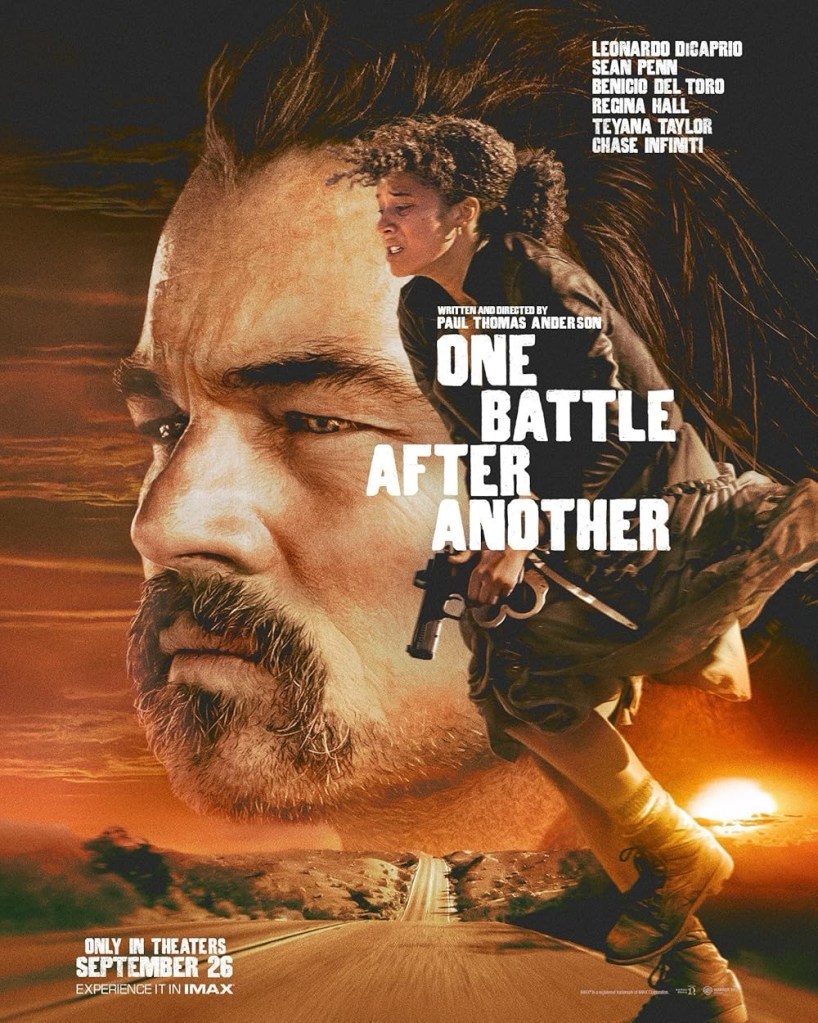
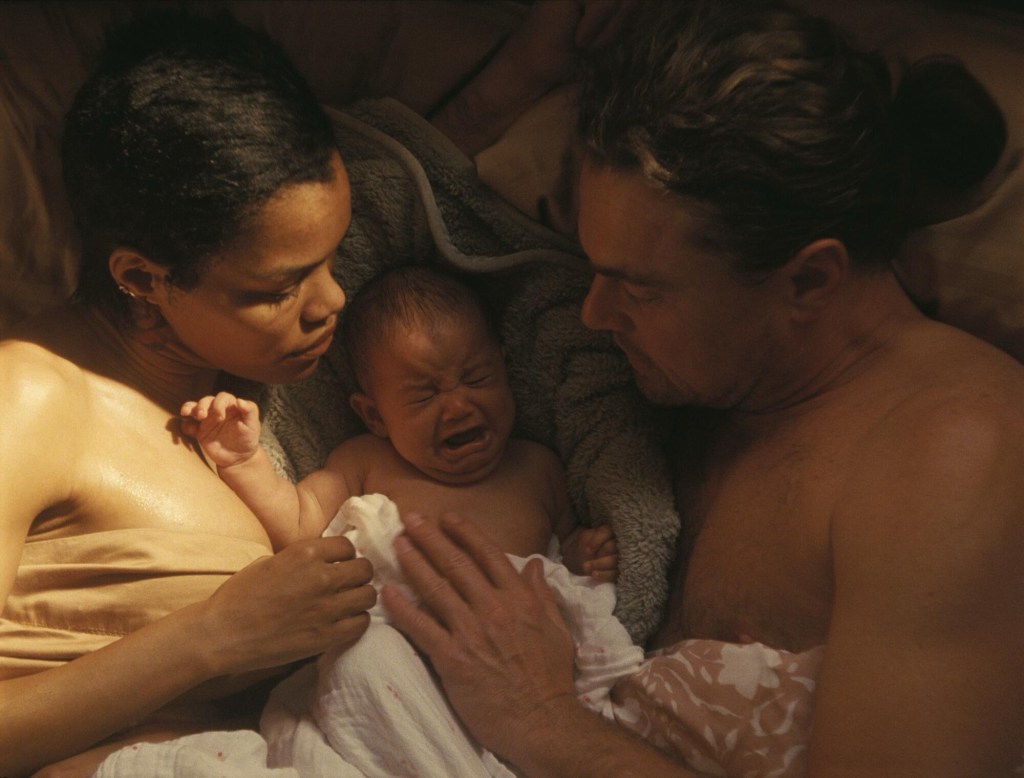
The film follows Pat (Leonardo DiCaprio), a member of the revolutionary group French 75, who falls in love with fellow rebel, Perfidia (Teyana Taylor). They have a child, Charlene, and while Pat wants to leave his revolutionary life behind, Perfidia cannot abandon her cause. She is arrested and later released by Colonel Steven Lockjaw (Sean Penn), with whom she has had a disturbing and morally conflicted relationship. Sixteen years later, Pat and Charlene, now living under new identities as Bob and Willa (Infiniti Chase), are in hiding. Lockjaw resurfaces, now aligned with an authoritarian movement with clear white-supremacist roots. He is aware that he may be Willa’s biological father and her subsequent abduction becomes the catalyst for the film’s frantic and volatile second half.
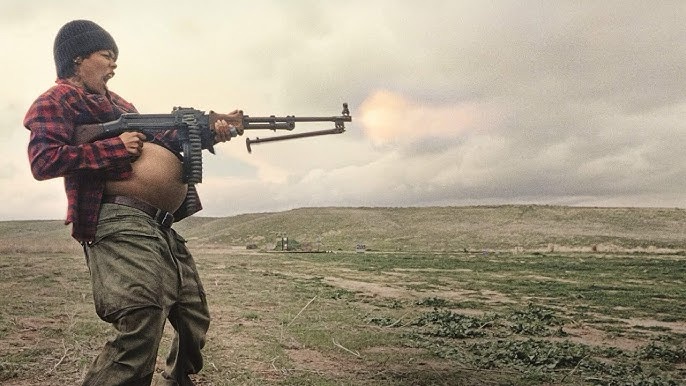
The film is a relentless genre mash-up, blending action thriller, dark comedy and political satire. It barrels forward with remarkable momentum for a film running over two and a half hours, rarely allowing the audience time to breathe. Tonal shifts are frequent, moving between absurd humour and genuine menace, sometimes seamlessly, sometimes jarringly. Paul Thomas Anderson’s vision feels intentionally disorientating, though at times this makes it difficult to grasp where the film wants its emotional weight to land.
The soundtrack mirrors this instability, jumping styles and moods in a way that keeps the audience unsettled. This discomfort feels deliberate, reinforcing the film’s suggestion that conflict is not a moment but a state. Momentum rarely drops, but clarity sometimes does.
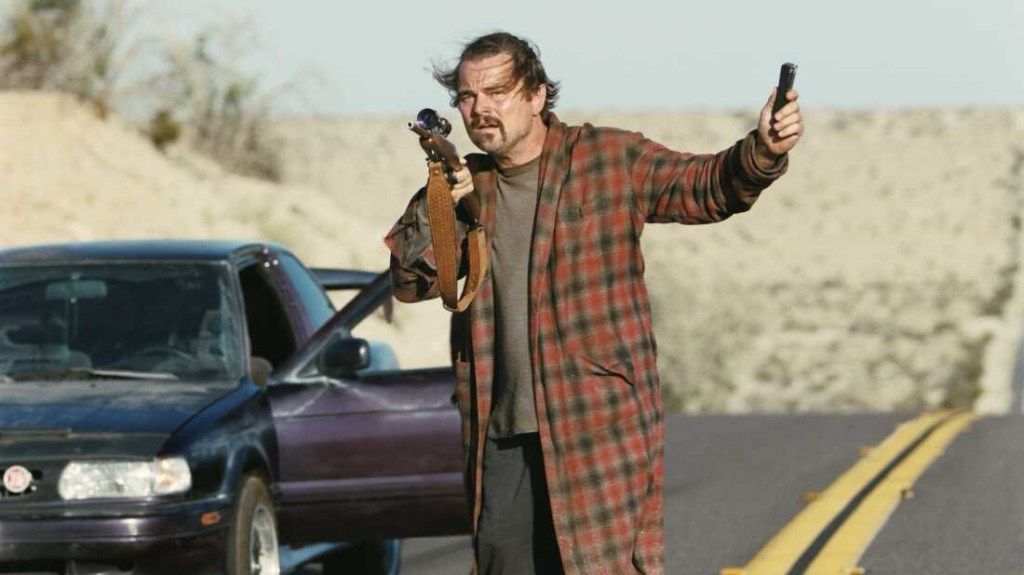
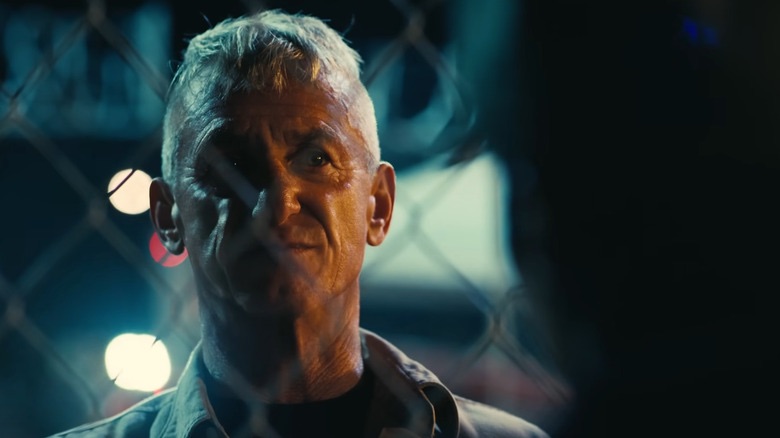
The performances are strong across the board. Leonardo DiCaprio delivers a committed and occasionally absurdly comedic turn as Bob, a man in his plaid dressing gown desperate to protect his daughter who has numbed years of paranoia and regret with drugs and alcohol. Sean Penn is genuinely unsettling as Colonel Lockjaw, exuding cruelty and desperation in equal measure. Chase Infiniti impresses in her debut as Willa, holding her own against heavyweight performers and suggesting a promising future. Benicio Del Toro appears briefly as a sensei and he is intriguing but frustratingly underdeveloped, much like several of the film’s characters.
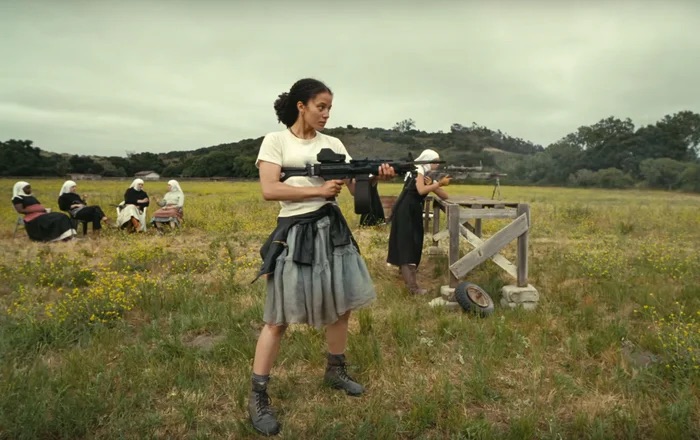
Character development is often sacrificed in favour of speed. The film rushes from confrontation to confrontation, reinforcing its central idea that revolution becomes a loop rather than a solution. This is most evident in Perfidia, whose identity is inseparable from resistance and in Willa, who inherits both her parents’ political fire. Bob’s inability to truly leave the past behind highlights the film’s bleak assertion that rebellion, once internalised, never really ends.
There are flashes of brilliance throughout. The final car chase sequence offers a refreshingly inventive take on the action trope. Yet for all its energy, the film struggled to hold my attention at times. The constant motion and tonal whiplash created a haphazard experience.

One Battle After Another is a film bursting with ideas, urgency and ambition. It captures the exhaustion of perpetual conflict and the way ideology can shape generations, but it does so at the expense of focus and coherence. While it has clearly impressed the Academy with its thirteen nominations, it never fully came together for me, despite its undeniable craft.
★★★ (3/5)
 Rhiann’s Reels