
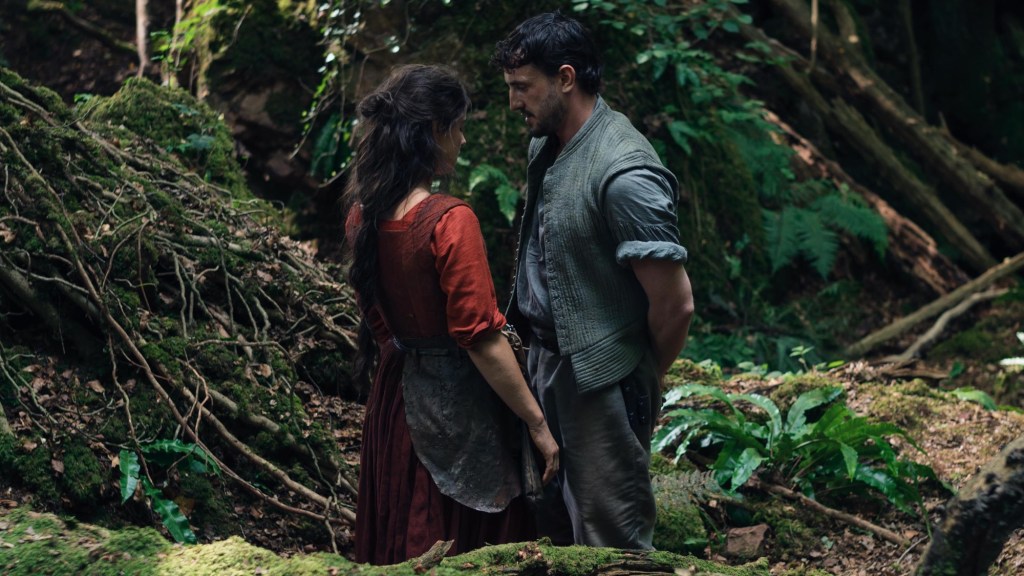
In one sentence: Based on Maggie O’Farrell’s best selling novel, Hamnet explores the impact of the death of Shakespeare’s young son and how this loss was transformed into art through grief, memory and loss.
Often we watch films hoping to be surprised, but Hamnet is not interested in twists. Its power lies instead in emotional truth, focusing on character, grief and the raw devastation of loss, leaving the audience with a sense of heaviness.
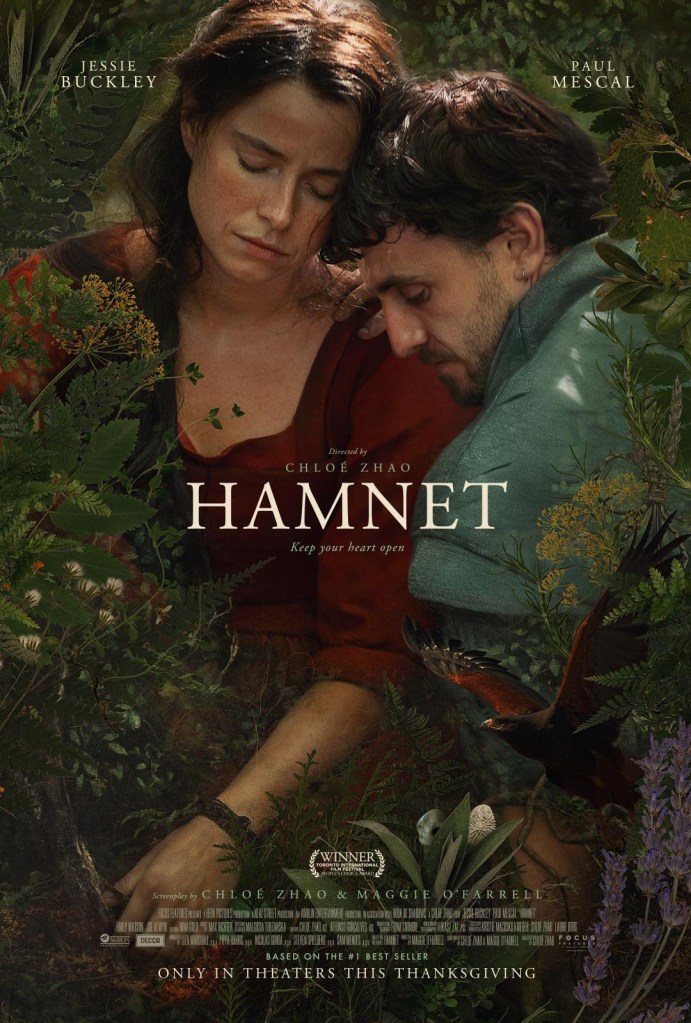
Adapted from Maggie O’Farrell’s bestselling novel, the film reimagines the loss of William Shakespeare and Anne Hathaway’s son, Hamnet, and the ways in which the tragedy shaped the play, Hamlet. We follow the early romance of Agnes (a variation of Anne) (Jessie Buckley), a healer deeply attuned to the natural world, and Will (Paul Mescal), a Latin tutor whose literary ambitions soon pull him away from home. As Will’s career gathers momentum in London, Agnes becomes increasingly isolated, later giving birth to twins, Judith and Hamnet. A traumatic birth leaves Agnes with a deep sense of foreboding that one of the twins will not survive. She believes it will be Judith, but her fear becomes devastatingly real when Hamnet dies painfully from pestilence.
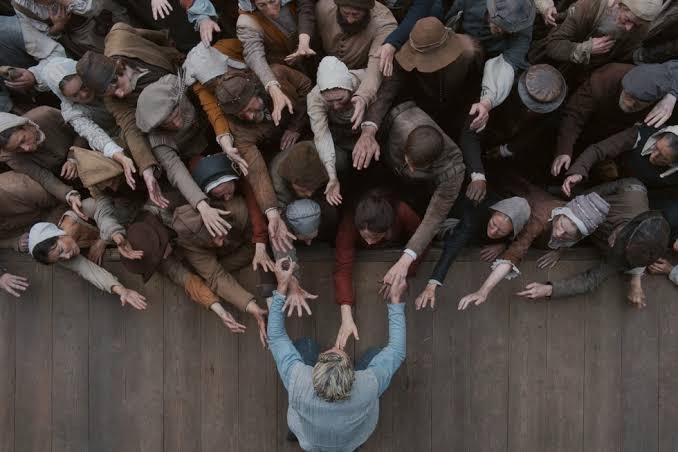
The film does not shy away from the rawness of this loss. There is a trigger warning here for anyone who has experienced child bereavement, as Hamnet confronts grief head on, refusing sentimentality or easy comfort. The story culminates in the first performance of Hamlet, revealing how art is way for Will to process unbearable loss through words and performance. Equally powerful is Agnes’s experience of witnessing the play, showing how engaging with art can offer its own form of catharsis and how it can reach people in a metaphorical and, in the film, a literal sense.
The performances are very strong. Jessie Buckley delivers a deeply grounded and emotionally fearless portrayal of Agnes, one that fully earns her Golden Globe win. She embodies grief in her physicality. Paul Mescal initially felt like a wrong choice for Shakespeare, but he grows into the role, drawing on the quiet emotional intelligence he demonstrated in both Normal People and Aftersun. His portrayal of grief is internalised and restrained, complementing Buckley’s more primal and palpable presence.
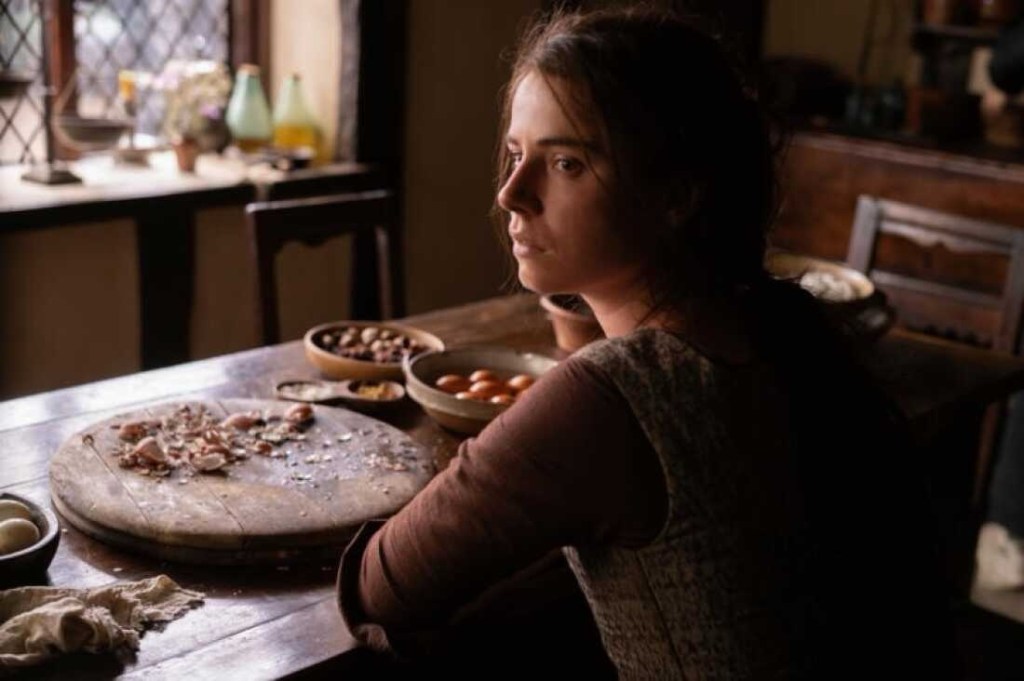
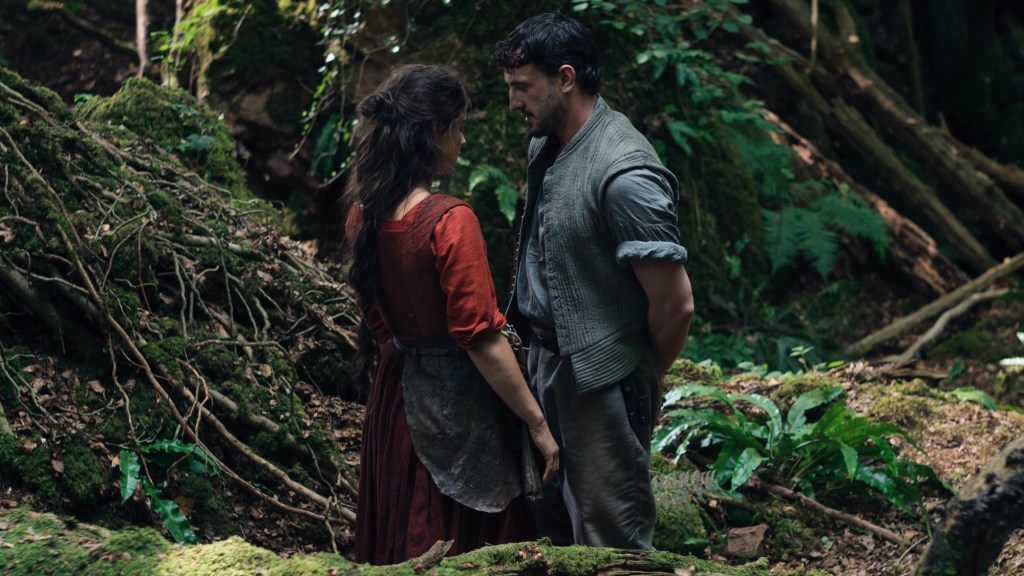
Visually, the film is haunting. The cinematography moves from saturated greens and twisted trees to the dark, suffocating streets of London. The use of gloaming light and shadow highlights the film’s atmosphere of mourning. However, this visual beauty is paired with pacing that may test some viewers’ patience. The film lingers deliberately, sitting in its emotions and while the second half gains momentum, its length occasionally tips into indulgence. The score also reinforces a sense of foreboding, grief and eventual acceptance.
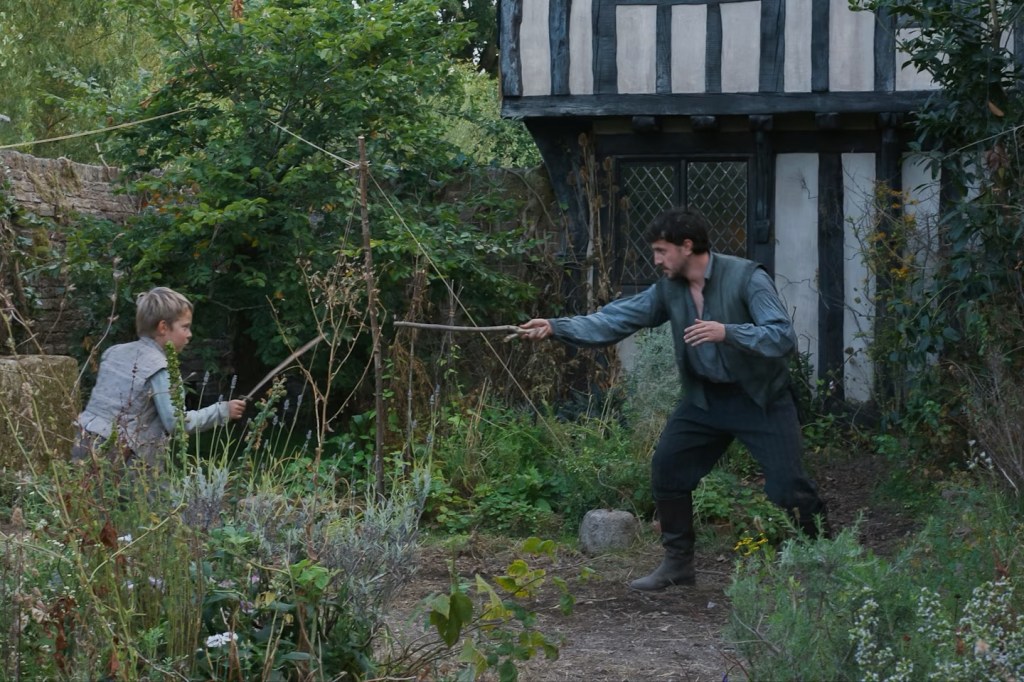
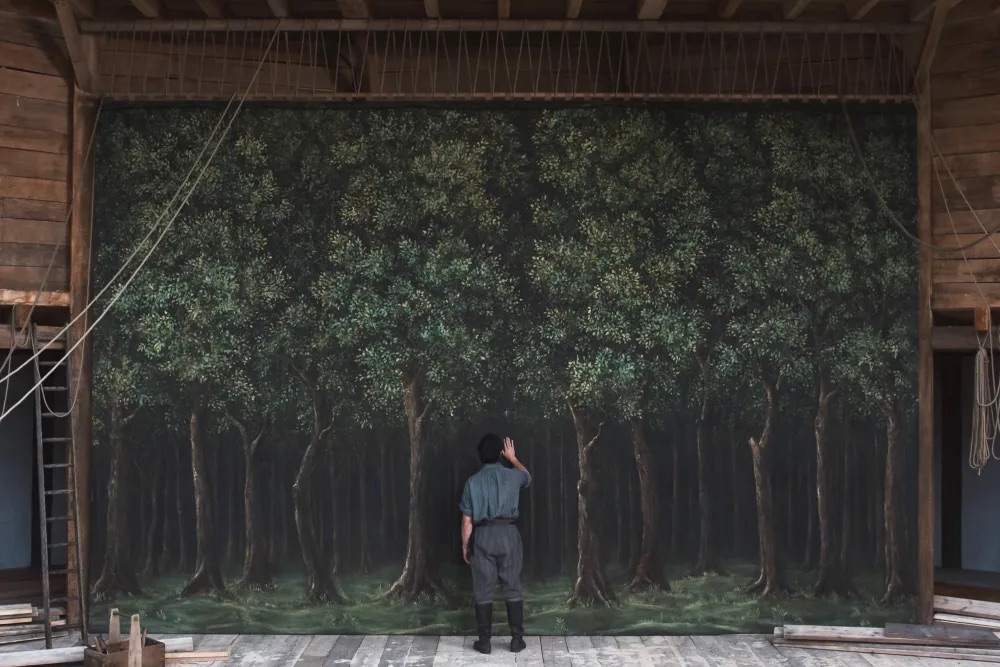
One of the film’s most effective choices is its humanisation of Shakespeare. Will is not portrayed as a distant literary genius, but as a man shaped by love, absence and trauma. His work emerges not from imagination alone but from lived pain. The film also explores how memory endures through art and nature, most poignantly reflected in the mirrored imagery of the hollowed tree early in the film and the painted set at the end.
Overall, Hamnet is an affecting film that prioritises emotional honesty over narrative momentum. It is slow, heavy and at times self-indulgent, but it is also beautifully acted and visually striking. This is not a film that invites easy enjoyment, but one that asks to be felt and experienced and it will not be for everyone.
★★★½ (3.5/5)
 Rhiann’s Reels