

In one sentence: Rental Family follows a struggling American actor in Tokyo who finds unexpected purpose when he begins performing emotional roles in real people’s lives, blurring the line between acting and genuine connection.
In a world that feels more connected than ever, many people are quietly lonelier and cinema has become a space to explore this contradiction. Rental Family approaches the theme with a gentle hand, taking an unusual premise and finding something deeply human within it.
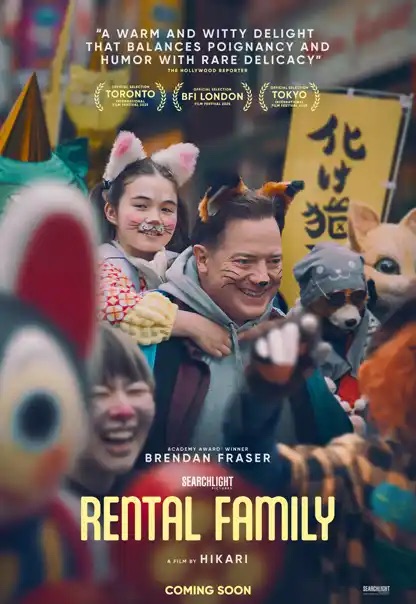
Rental Family tells the story of Philip Vanderploeg (Brendan Fraser), a struggling actor living alone in Tokyo. He lives in a small apartment and watches the lives unfolding around him, surrounded by people yet deeply isolated. Philip has little meaningful contact with anyone until he is offered a last minute, well paid job to play a ‘sad American’ at a stranger’s funeral. It is here that he discovers the company Rental Family, an organisation that hires actors to play roles in real-life situations, helping people navigate loneliness, apologies, social expectations and closure.

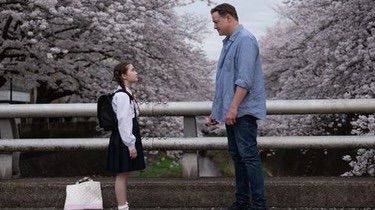
Initially unsure, Philip reluctantly accepts further work and finds himself placed into increasingly intimate scenarios where the line between acting and reality begins to blur. This becomes especially apparent when he is asked to play the father of a schoolgirl, Mia (Shannon Mahina Gorman), whose single mother fears her status may prevent her daughter from being accepted into one of Japan’s most prestigious schools. What begins as performance slowly turns into genuine emotional involvement, something Philip struggles to compartmentalise.

The film offers a fascinating insight into Japanese culture, one that often feels quietly ahead of its time while still deeply rooted in tradition. Through director Hikari’s thoughtful lens, we see both the warmth and rigidity of social structures, including attitudes towards single mothers and same-sex relationships. The balance between modernity and tradition is beautifully rendered through the film’s cinematography, which captures both Japan’s stunning landscapes and its charming quirks, from quiet streets to beautiful countryside and surreal local festivals. The interplay between Japanese and English dialogue gives the film an authentic sense of cultural exchange rather than outsider observation.
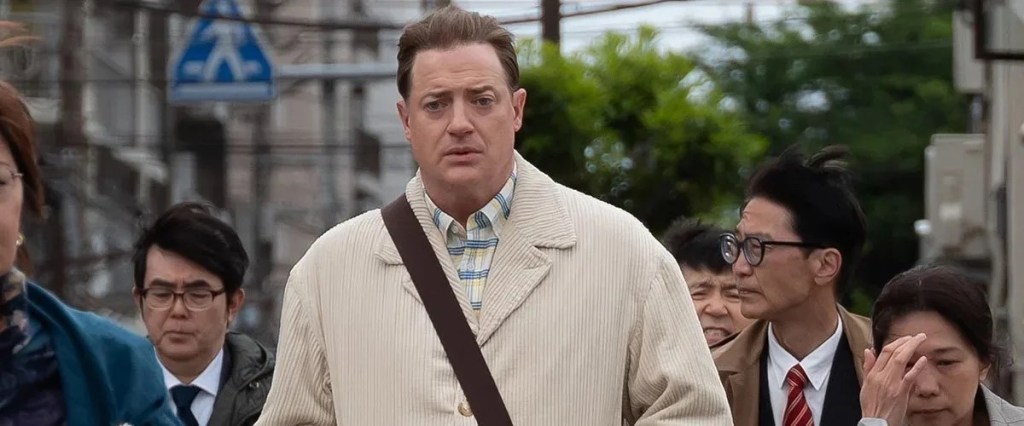
Brendan Fraser is exceptional as Philip. His performance is understated, tender and deeply affecting, bringing humour and warmth. There is a natural vulnerability to Fraser’s portrayal that makes Philip instantly likeable despite his flaws. He is supported by a strong ensemble cast, including Shannon Mahina Gorman, who shows impressive emotional range, Takehiro Hira as the enigmatic founder of Rental Family, whose character reveals surprising depth, Mari Yamamoto as Philip’s colleague and Akira Emoto as an elderly former film star living with dementia. Each character offers a different perspective on why people seek connection and how loneliness manifests in unexpected ways.

Loneliness is the film’s emotional core and is explored through multiple lenses. Philip’s isolation as a foreigner in Japan is compounded by his precarious career as an actor. His reliance on rented intimacy, including moments spent with a sex worker, highlights his longing for closeness and belonging. As he becomes more involved in the lives of those he is hired to help, Philip’s own needs begin to surface. The roles he plays stop feeling like performances and instead become extensions of himself, revealing his empathy and inability to remain emotionally detached. The movie in parts reminds me of Dear Frankie but presents a different perspective, making it a refreshing watch.
At its heart, Rental Family delivers the simple yet powerful message that connection is essential to being human. It is a quietly moving film, leaving you reflective, emotional and perhaps a little more inclined to reach out to others. In a world shaped by social media, distance and disconnection, this film feels both timely and deeply compassionate. A genuine gem that understands its characters and its audience.
★★★★★ (5/5)
 Rhiann’s Reels