
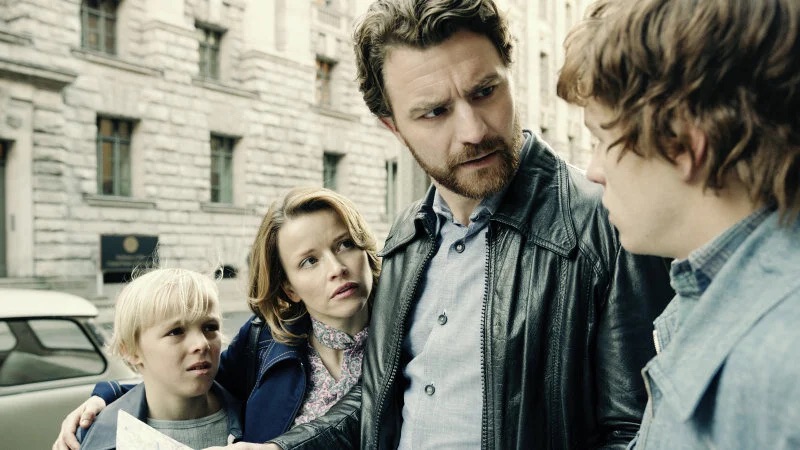
In one sentence: Balloon tells the astonishing true story of two families who attempt to escape across the Iron Curtain in a homemade hot air balloon.
Mark Twain once said “Truth is stranger than fiction, but it is because fiction is obliged to stick to possibilities; truth isn’t”and no quote could ring truer for German film Balloon, starring Friedrich Mücke and David Kross.
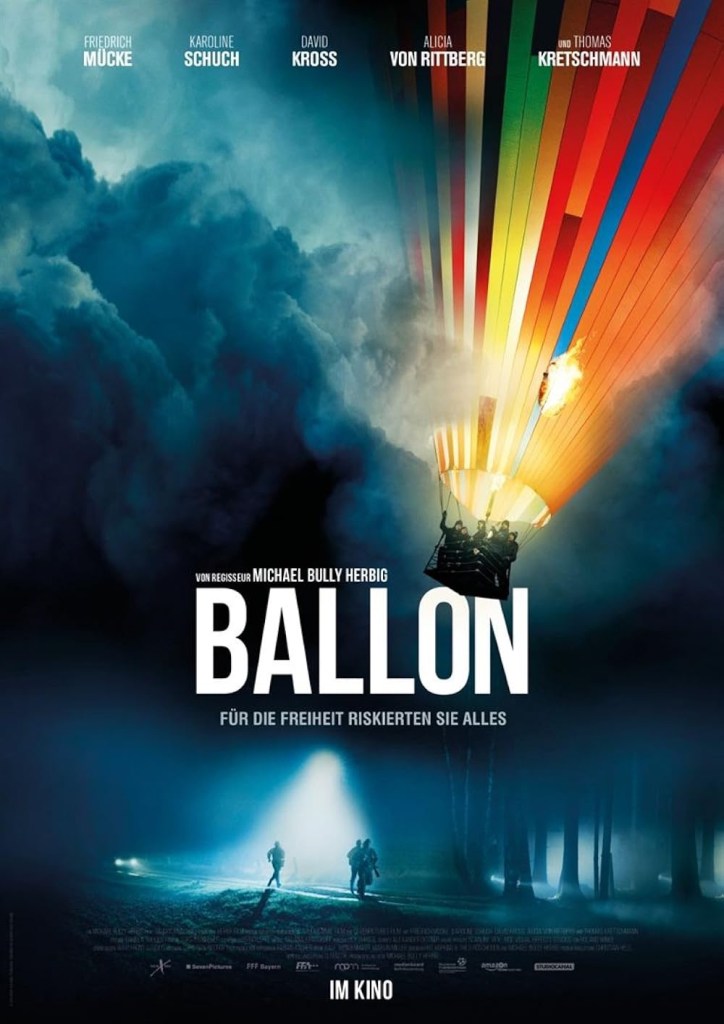
Set in East Germany in 1979, the film depicts the true story of two families’ daring attempt to cross the Iron Curtain using a homemade hot air balloon. Directed by Michael ‘Bully’ Herbig, a filmmaker best known for comedies, Balloon marks a significant departure from his usual work and a highly successful one. The film is brimming with suspense and proves that dramatic cinema is sometimes the most effective way to tell an almost unbelievable true story.

The opening montage immediately sets the tone, showing the violent end of a failed escape attempt, followed by a stark on-screen statistic that between 1976 and 1988, 38,000 East Germans attempted to flee the country and 462, including men, women and children, lost their lives in the process. From the outset, the audience is left under no illusion that escape came at enormous risk. The use of music is particularly effective, maintaining a constant sense of tension and reinforcing the idea that, in this period, nobody could truly be trusted. Paranoia and fear permeate every scene, driving home the stakes faced by those attempting to flee.

The film was released to coincide with the 30th anniversary of the fall of the Berlin Wall and feels very much like a passion project for Herbig. The story may feel familiar to some viewers, particularly those who have seen Disney’s The Night Crossing from 1982, released only three years after the real events. While the film is not without merit, it lacks the nail-biting tension of Balloon and falls into the trap of using English dialogue. Thankfully, such choices now feel increasingly outdated.

Herbig was determined to tell this story in German and reportedly had to work hard to secure the rights to do so. The result is triumphant. One of the film’s most effective decisions was to build a full-scale replica of the balloon, its brightly coloured patchwork standing out starkly against the otherwise muted grey palette of East Germany.

The filmmakers also had access to an extensive Stasi case file and the obsessive nature of the investigation is chillingly conveyed through the character of Oberstleutnant Seidel. The scale of surveillance and determination to prevent escape is both fascinating and terrifying.

The acting across the board is strong, with Friedrich Mücke particularly impressive as the patriarch of the Strelzyk family. It is easy to become completely invested in the fate of both families, willing their success at every turn.
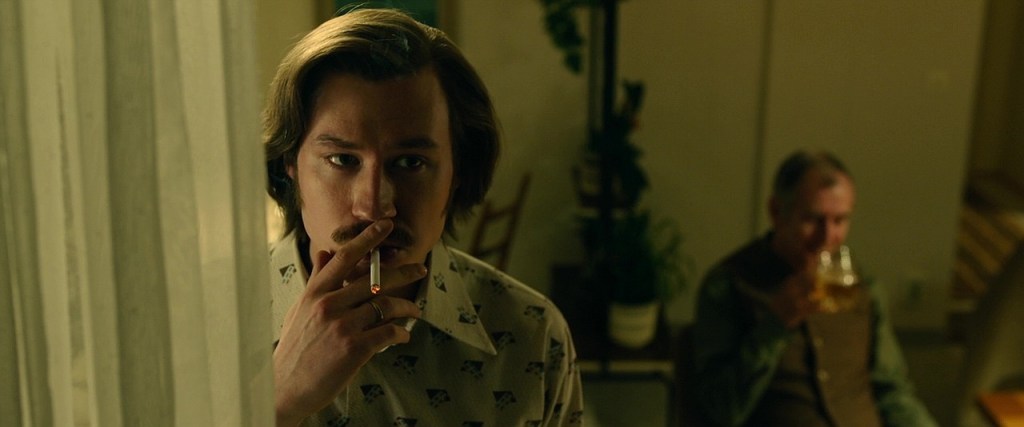
Balloon works superbly as a thriller in its own right but it also serves a greater purpose. It is important that Germany has told this story in its own voice, depicting a period of history that should never be forgotten. Film, when done this well, becomes a powerful tool for keeping the lessons of history alive.
★★★★ (4/5)
 Rhiann’s Reels