

In one sentence: Summer in February follows two close friends in pre WWI Cornwall whose bond is tested when a young woman enters their creative circle, igniting desire, rivalry and tragedy.
Period British dramas were as popular as ever at the time Summer in February was released. Downton Abbey dominated television and Dan Stevens had recently exited the series in a shock storyline. Before heading to America, he starred in this small but quietly powerful film that may have slipped under the radar for many.

Based on the novel by Jonathan Smith, which was inspired by the real lives of the Lamorna artists in Cornwall before WWI, the film blends fact and fiction, using real life people, including A.J. Munnings (Dominic Cooper), Gilbert Evans (Dan Stevens) and Florence Carter-Wood (Emily Browning). The story begins with close friends A.J. and Gilbert, who neatly fit the opposites attract dynamic. A.J. is a prodigious painter, fond of reciting poetry in the local tavern and enjoying the company of the fairer sex, while Gilbert is a gentle estate manager and former soldier who prefers to remain in the background. Their friendship is tested when Florence arrives to stay with her brother, intending to focus on her art. Both men are drawn to her, placing their bond under strain. What initially appears to be a light romantic drama soon subverts expectations, touching on darker and more melancholy themes that may surprise viewers unfamiliar with the source material.
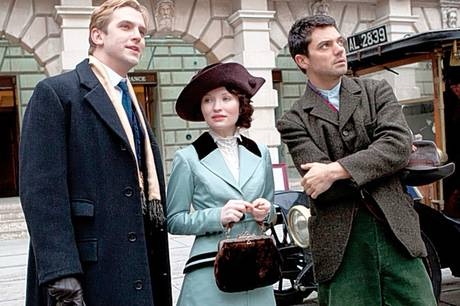
The historical accuracy of the story has been questioned, as little is known about Florence herself and her motivations may differ from the romantic narrative presented here. However, love triangle angle certainly makes for an engaging watch. While Stevens may be the more traditionally handsome of the two leads, Cooper’s A.J. possesses the charm, swagger and artistic confidence that make his chemistry with Florence crackle from the outset. By contrast, Gilbert and Florence develop more slowly, creating an intriguing emotional contrast.

Masculinity plays a key role within the triangle. Gilbert is quieter and more restrained, struggling to be perceived as traditionally masculine despite his military background. His emotional repression ultimately harms both himself and those around him. A.J. is impulsive, charismatic and emotionally reckless, traits often associated with romantic disruption, reminiscent of characters such as Wickham in Pride and Prejudice. This contrast is powerfully reflected in their intimate interactions with Florence. A.J.’s behaviour is deeply troubling, while Gilbert’s approach is tender and caring, reinforcing the idea that positive masculinity is not always what society expects it to look like.
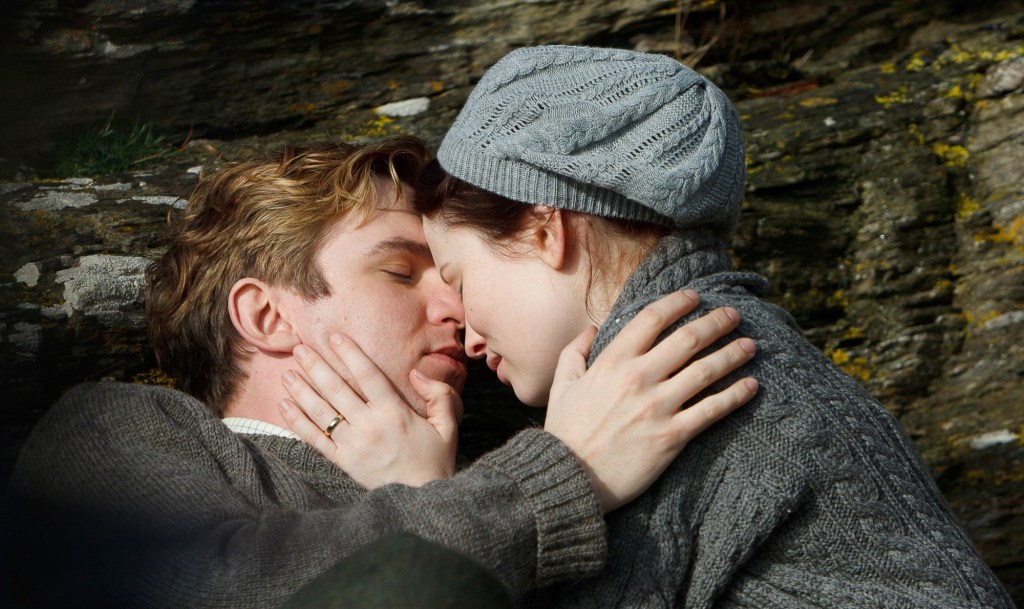
Florence occupies a precarious position as a woman in this era, particularly within the art world. Early scenes with Laura (Hattie Morahan) make it clear that female talent is not valued in the same way as male genius. Throughout the film, Florence is repeatedly rendered powerless by the men around her and Emily Browning conveys her character’s quiet melancholy with remarkable sensitivity and expression.

The Cornish landscape is breathtaking, at once rugged, dangerous and awe-inspiring. It provides a perfect backdrop for a story steeped in repression, longing and emotional unease. The cinematography favours close shots of faces, allowing anguish and longing to linger, reinforcing the film’s subdued but haunting tone.
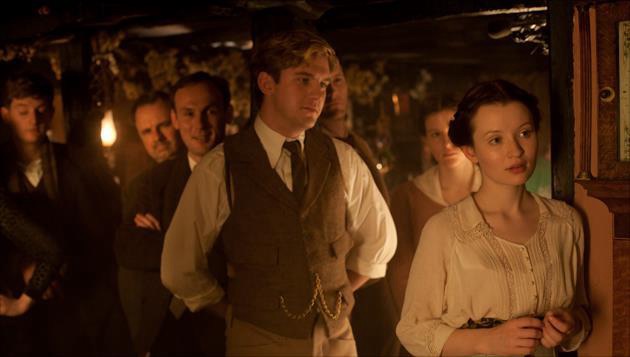
Overall, Summer in February is a well-acted romantic drama whose roots in real history lend it added intrigue. It offers a compelling glimpse into artistic life before the First World War and, while beautiful to look at, ultimately leaves the audience with a lingering sense of sadness.
★★★ (3/5)
 Rhiann’s Reels