
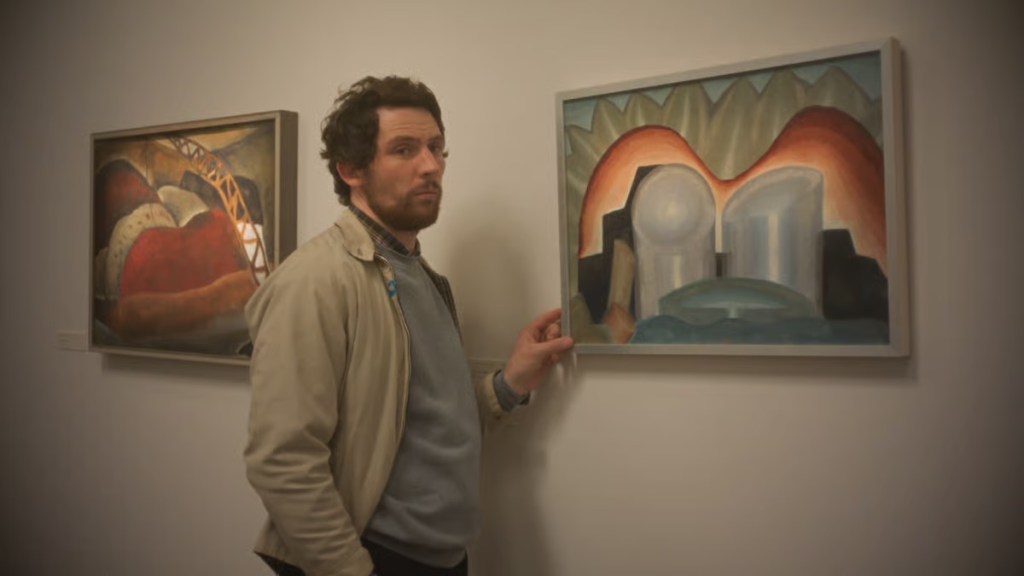
In one sentence: Set in the 1970s, The Mastermind follows a failed architect whose bungling attempt at an art theft leaves him on the run.
Josh O’Connor is one of the most in-demand actors of the moment and seems to be releasing films at a remarkable pace. One of his latest is The Mastermind, a crime drama set in the 1970s that casts him as failed architect James Blaine Mooney, a man who impulsively steals paintings from an art gallery in broad daylight. Unsurprisingly, things do not go to plan and after some time has passed, he finds himself on the run.

The film does an excellent job of transporting the audience into the 1970s through its colour palette and costuming. Its aesthetic is convincing enough to feel like a film of its era rather than a modern recreation. One element I found consistently grating, however, was the score. The repeated use of discordant trumpet and jazz music certainly grounds the film in its genre and period, but it never quite landed for me and became increasingly distracting as the film progressed.

At its core, this is a heist film, though those expecting tension, momentum or thrills will be disappointed. Instead, The Mastermind is a quiet and understated character study. The title is clearly tongue-in-cheek as there is nothing particularly clever about the heist itself. It is clumsy, poorly conceived and ultimately anticlimactic. While it crossed my mind that a story like this almost has to be set before the age of CCTV and modern security measures, recent events at the Louvre suggest that this something that could still happen. I think a Louvre movie is very likely.

The pacing of The Mastermind is glacial. Despite James technically being on the run, there is very little sense of urgency until the final moments, where a sudden shift in tone feels slightly out of place. This, however, may be intentional, reflecting James’ own naivety, denial or lack of foresight. Josh O’Connor is undeniably strong in the role, capturing a character who is desperate, tactless and deeply selfish. His performance is the film’s strongest asset, though it will likely appeal more to viewers who prioritise acting over narrative drive.

Beyond O’Connor’s performance and the carefully composed cinematography, the film’s saving grace is its ending. With tighter pacing and less indulgent direction earlier on, the story’s promising concept might have landed more effectively. As it stands, the film leans heavily into an artsy sensibility that does not always serve the material.

Overall, The Mastermind is not a film for the masses. It will suit viewers who enjoy slow, character-driven cinema, but its sluggish pace and abrasive score made it difficult to stay fully engaged. It is a shame because the idea at its centre is compelling.
★★½ (2.5/5)
 Rhiann’s Reels