

In one sentence: The Ticket is a modern moral fable in which a blind man’s newfound vision forces him to confront his life.
Growing up, many of us encountered Aesop’s fables and their clear moral lessons, yet overtly moralistic films are relatively rare in contemporary cinema. Modern storytelling often favours ambiguity, inviting audiences to draw their own conclusions. The Ticket, starring Dan Stevens and Malin Akerman, resists this trend entirely. It delivers its message plainly and without apology, positioning itself as a modern-day moral tale that leaves little doubt about the lesson it wants its audience to absorb.
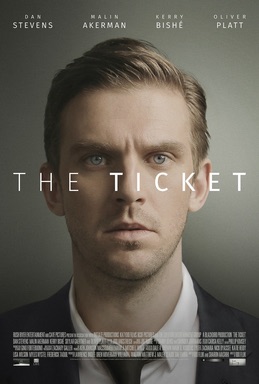
Dan Stevens plays James, a blind man living a modest, carefully managed life with his wife Sam (Akerman) and their young son Jonah (Skylar Gisondo). James works real estate call centre job alongside his friend and fellow blind colleague, Bob (Oliver Platt). His world feels small and constrained. Decisions are made for him, he is excluded from difficult conversations and even his son’s bullying is softened before it reaches him. When James miraculously regains his sight, the repercussions ripple outward, reshaping every relationship in his life.
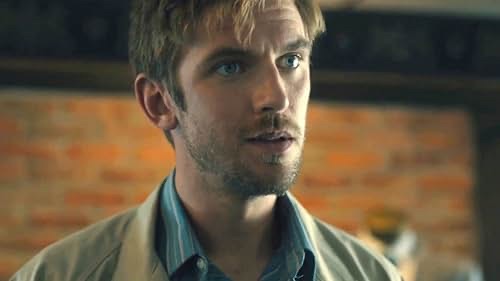
Stevens’ performance is particularly effective during James’ awakening. His piercing blue eyes become a narrative tool in themselves, conveying shock, joy and growing self-awareness as James realises not only that he can see, but that he is attractive, albeit a bit unkempt. From this point, his character embarks on a dramatic moral arc. He reassesses his worth, pursues a promotion, becomes infatuated with a sharply dressed executive, Jessica (Kerry Bishé) and gradually distances himself from Bob in favour of more advantageous connections. The film presents these choices as ethically questionable, suggesting that James begins to exploit his regained sight to elevate himself at the expense of others.
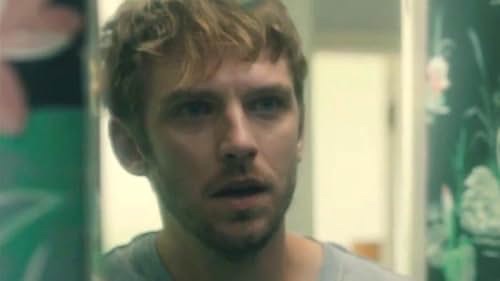
Stylistically, The Ticket is restrained and character-driven, but its slow pacing makes it a challenging watch at times. As a slow burn, it focuses on the erosion of James’ moral compass as he moves from a life of limitation to one of excess. He justifies his behaviour by reframing his years of blindness as injustice, using this narrative to excuse indulgence and entitlement. In keeping with the logic of fables, this path inevitably invites consequences.

The film’s modest production values reinforce its stripped-back approach and while it never looks particularly polished, the performances are excellent. Its storytelling is undeniably didactic, leaving little room for personal interpretation. This appears intentional, pushing against modern cinematic trends that favour open endings. There are even biblical echoes here. Once James’ limitations are removed, he is tempted by materialism, status and visual pleasure, all of which draw him away from the grounded life he once shared with his family. The film quietly suggests that sight brings comparison and comparison erodes contentment. This is a notion that feels especially relevant in an age dominated by social media and curated lives.
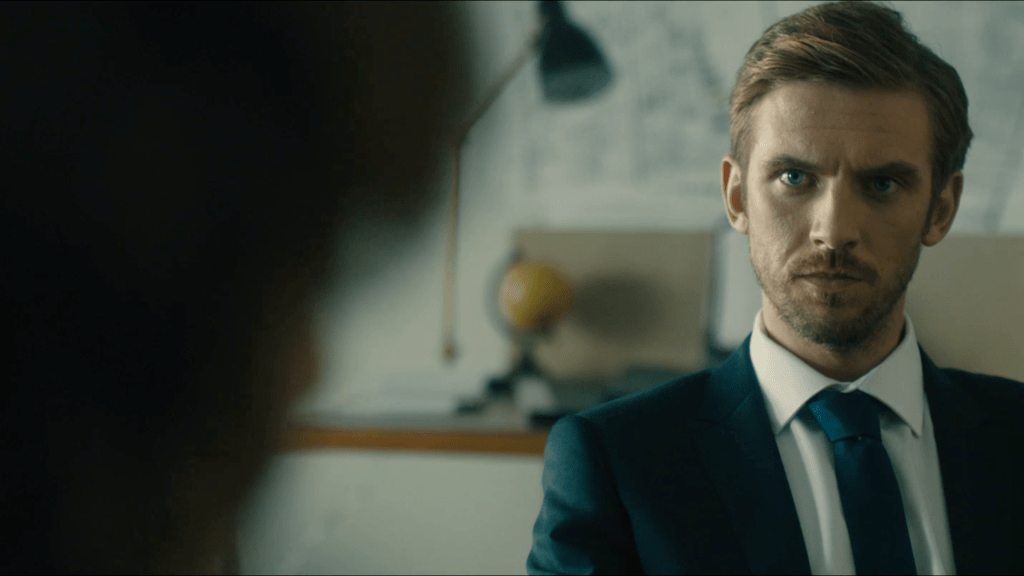
The one area of moral ambiguity lies in James’ relationship with Sam. She insists her decisions were made to protect him from life’s harsher realities, yet in doing so, she may have diminished his sense of contribution. The film raises an uncomfortable question about when protection becomes a form of control if it denies someone full participation in their own life.

Stevens plays James with controlled conviction, allowing the character’s decline to feel measured rather than melodramatic. The Ticket will not appeal to everyone, particularly those resistant to slow pacing or explicit moral lessons. Still, it offers a traditional yet uncommon form of storytelling in modern cinema, one that asks viewers to consider the cost of desire, comparison and ambition.
★★★ (3/5)
 Rhiann’s Reels