

In one sentence: Jay Kelly is a star-studded character study that examines fame and the tension between public success and personal fulfilment.
Netflix’s latest release, Jay Kelly is brimming with household names, but raises a familiar question: is star power alone enough to create a compelling film? Noah Baumbach’s latest effort suggests not.
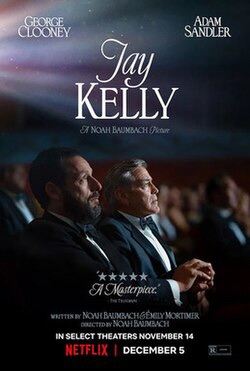
George Clooney plays the titular Jay Kelly, an actor in his sixties who remains in high demand yet feels the weight of time lost with his two daughters from different failed marriages. One of them is on the brink of leaving for a backpacking trip across Europe, a reminder that life continues whether he is present or not. As Jay finishes one film and prepares to move straight onto another, he learns that his favourite director, Peter Schneider (Jim Broadbent), has died. Attending the funeral, Jay reconnects with an old acting school friend (Billy Crudup) and begins to question the trajectory of his life. Instead of starting his next project, he impulsively heads to Paris in search of his daughter, bringing his extended entourage along with him, including his long-suffering manager Ron (Adam Sandler), Liz (Laura Dern) and Candy (Emily Mortimer). Jay is a man who is constantly surrounded by people, yet profoundly lonely.
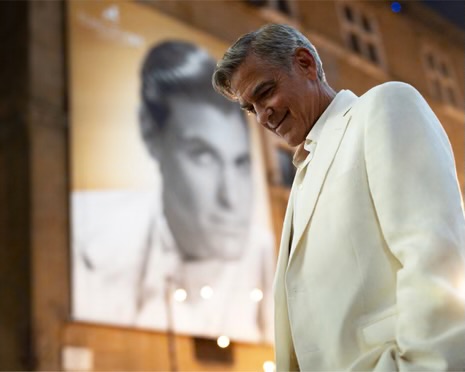
The tone of the film feels distinctly tailored to Clooney. It is difficult to imagine anyone else in the role and at times it feels as though the character has been written specifically for him. Clooney delivers a solid performance, but Jay’s struggle does not always feel relatable. While the film hints towards the universal conflict of choosing career over family; the wealth, privilege and emotional neediness of the character slightly distort this connection. Despite the use of flashbacks, we learn surprisingly little about Jay beyond the man he is in his sixties. It feels like a missed opportunity. Interestingly, this is one film where de-ageing technology might have served the story well. The film uses archival footage of Clooney during an in-movie tribute to Jay Kelly, which makes the decision to cast Charlie Rowe as the younger Jay in flashback scenes feel oddly redundant. Seeing Clooney himself rather than a dramatised version of his younger self creates a strange disconnect.
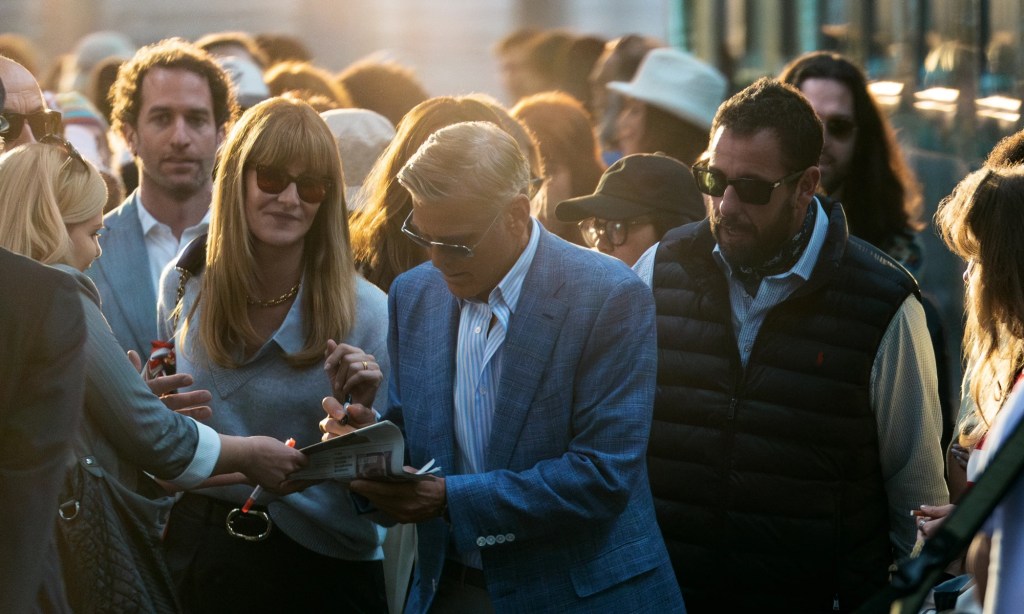
Visually, the film is undeniably attractive. Budget was clearly not an issue. From the sun-drenched Italian backdrops to the quiet, atmospheric woodland scene where Jay shares a rare moment of honesty with his daughter, Jessica (Riley Keough), the film is a pleasure to look at. However, its pacing often drags and several scenes linger without offering enough emotional or narrative payoff to justify their length.
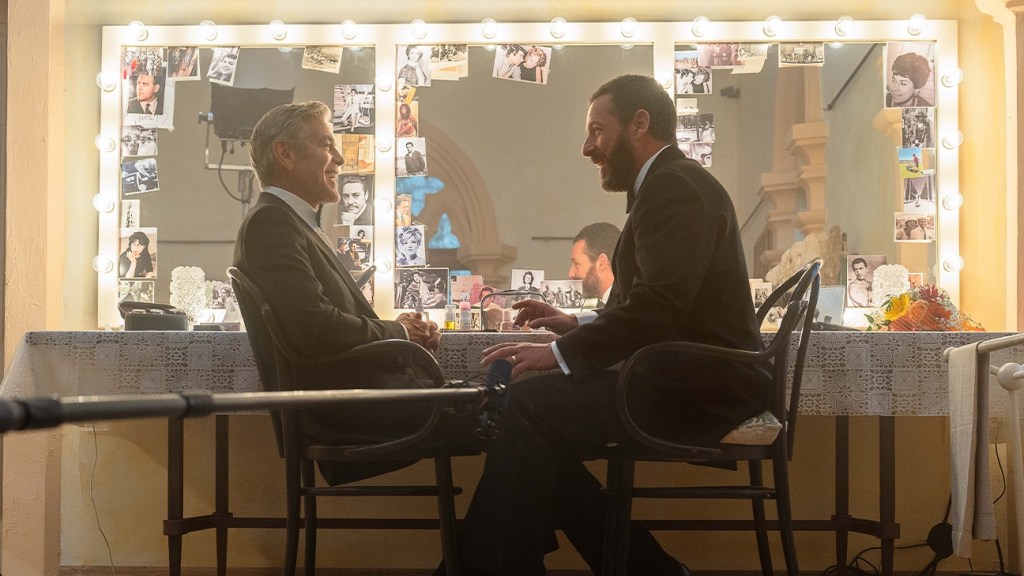
One of the more compelling elements is Jay’s relationship with Ron. It exposes Jay’s emotional dependency and the way it bleeds into Ron’s family life and responsibilities to other clients, while also highlighting the uncomfortable truth that Ron’s financial stability depends on Jay’s continued success. The film raises an interesting question here: can a genuine friendship exist when one person signs the other’s pay cheque?
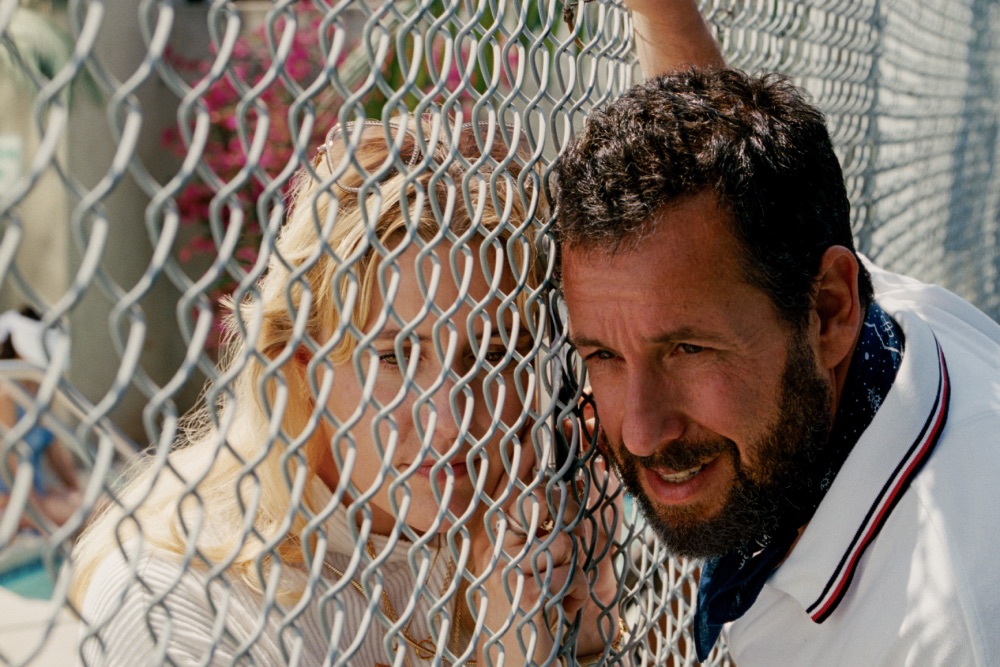
Despite these strengths, the film feels strangely familiar, as though it is treading ground that has already been well explored. Even Clooney’s frequent running scenes evoke memories of The Descendants. The film’s occasional attempts to break the fourth wall do little to inject freshness and it never feels like a defining project for anyone involved.
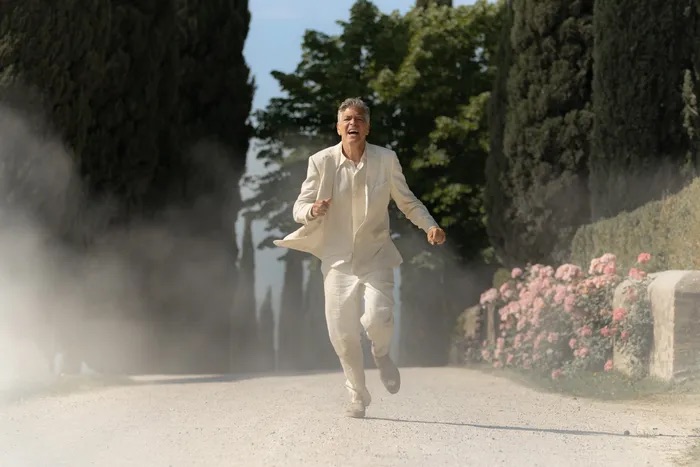
Ultimately, Jay Kelly is polished, star-studded and visually appealing, yet it feels out of touch. Its slow pace and sense of déjà vu prevent it from reaching the emotional depth or originality its cast suggests. For all its talent, the film never quite lives up to the dizzying heights of its stars.
★★★ (3/5)
 Rhiann’s Reels