
In one sentence: Krampus is a Christmas horror that spins Alpine folklore into a dark tale about family tension and festive belief.
Christmas films do not always have to be light, romantic or comforting. There is now a rich niche of festive horror and Krampus is one of its strongest. Drawing on Alpine folklore, the film centres on the horned creature who punishes naughty children, a dark counterpart to Saint Nicholas. It leans fully into this mythology and exaggerates to deliver both seasonal scares and a pointed message.

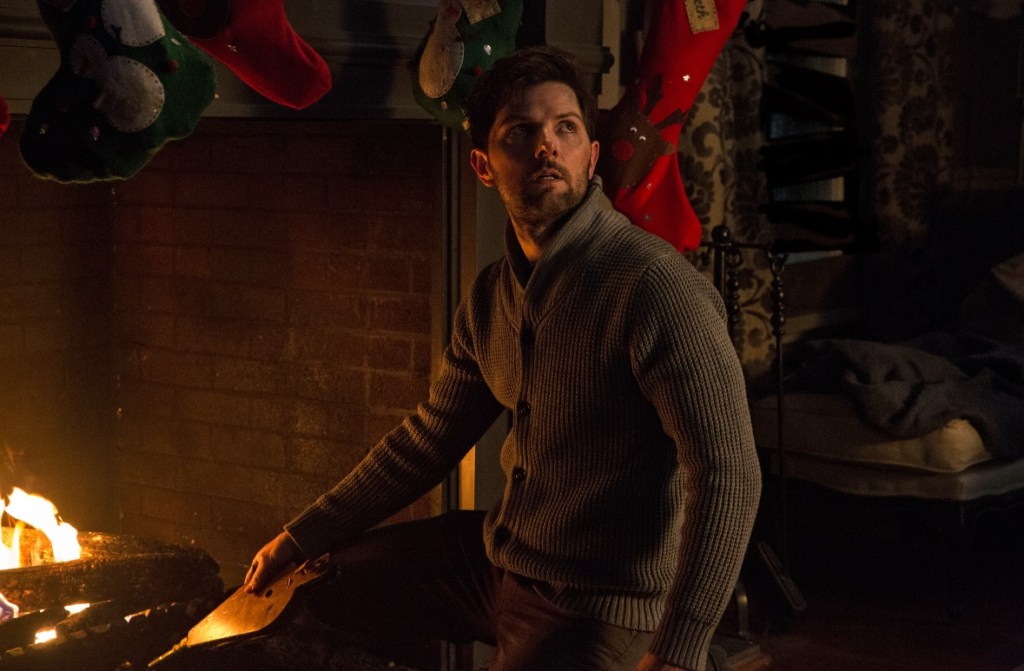
The film stars Adam Scott and Toni Collette as Tom and Sarah Engel, a married couple hosting Christmas for their extended family. It opens with a chaotic shopping centre sequence shot in slow motion, complete with fights and frantic rushing, immediately criticising the commercial madness of modern Christmas. Their young son, Max (Emjay Anthony), still believes in Father Christmas and loves Christmastime, sharing a tender bond with his German grandmother, Omi (Krista Stadler). Their teenage daughter, Beth (Stefania LaVie Owen), is far more cynical and more interested in spending time with her boyfriend than embracing festive traditions.

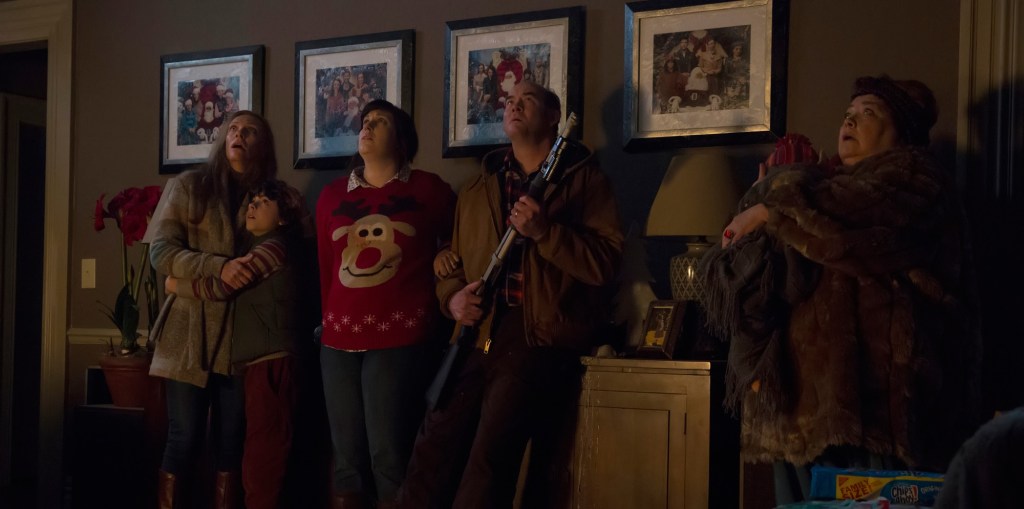
The extended family arrive and bring with them plenty of noise, bad manners and bratty children, who mock Max for writing a letter to Santa. Upset and humiliated, he tears it up and throws it out of the window, the scraps carried away by the wind. This emotionally charged moment sets everything in motion. Krampus has been summoned and the family are about to face the consequences of their broken Christmas spirit.

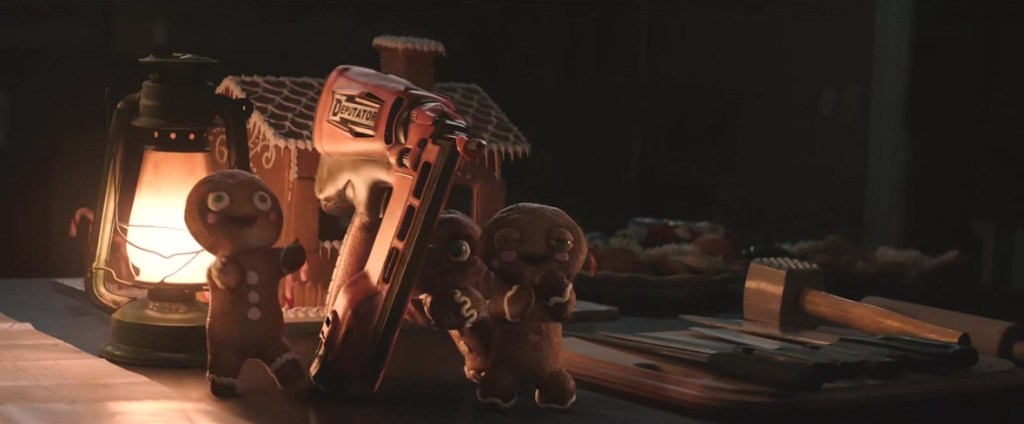
Without its ending, Krampus would be a solid horror film, mixing festive imagery with effective genre tropes such as possessed toys, monstrous elves and killer gingerbread men. What elevates it is one of the strongest twist endings in recent times. The final moments deliver a chilling message about punishment and morality, reinforcing the idea that Christmas has strayed far from its original meaning.
For viewers wary of horror, this film remains accessible. Humour is woven throughout, largely thanks to David Koechner’s performance as brother-in-law, Howard, and Conchata Ferrell’s blunt delivery as Aunt Dorothy. While there are dark moments and an ever-present sense of dread, the film prioritises tension over outright terror. Krampus himself is a genuinely unsettling figure with both cruel actions and a terrifying appearance that comes later in the film. The movie deserves credit for introducing European folklore into mainstream cinema, offering audiences a glimpse into darker festive traditions rarely explored on screen.

Visually, the film is appropriately dark, using low lighting to build atmosphere and suspense. This is not a movie designed to fill you with Christmas cheer, but it may encourage reflection on how the season is celebrated. Beneath the horror lies a moral core that emphasises family, kindness and generosity over consumerism. In that sense, it may be one of the more honest Christmas films around.
This is certainly not one for children, but adults may find enjoyment on both a surface level and a deeper thematic one.
★★★½ (3.5/5)
 Rhiann’s Reels