

In one sentence: Frankenstein is a reinterpretation of the classic tale that emphasises humanity and monstrosity over simple horror.
Guillermo del Toro’s much-anticipated Frankenstein arrived on Netflix yesterday. I initially wondered whether releasing it after Halloween was a missed opportunity, however, this is not really a horror film but a story about humanity. It also stands out as one of the few Netflix originals to receive a theatrical run before streaming, which naturally raised expectations.
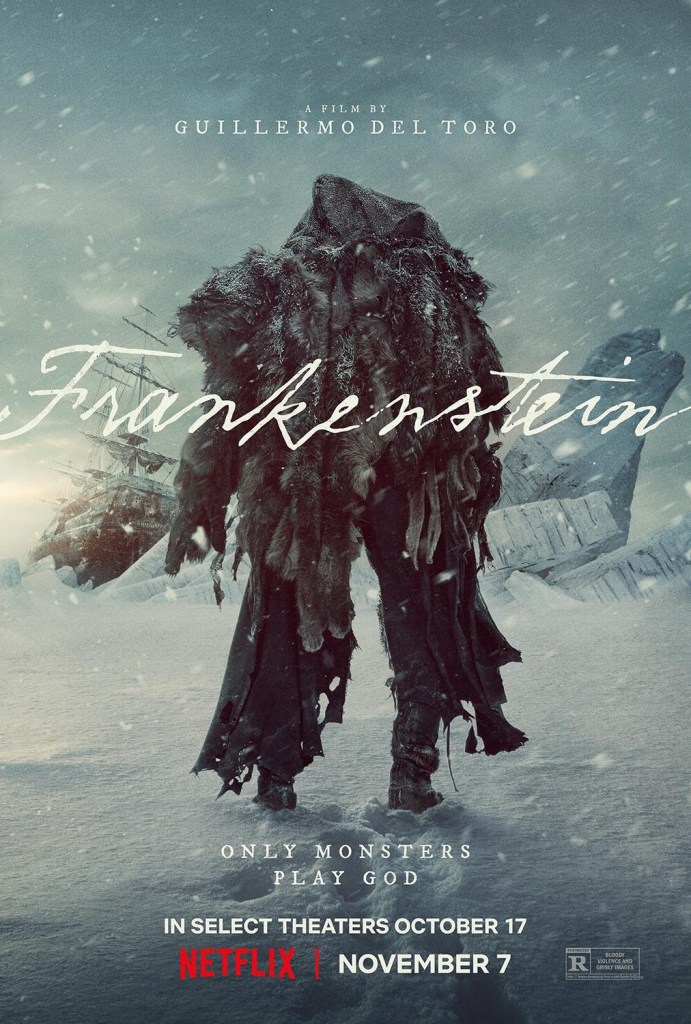
The film follows Mary Shelley’s story and begins with a Danish expedition crew discovering a gravely injured Baron Victor Frankenstein (Oscar Isaac) and the creature (Jacob Elordi) who has been on a violent rampage. Whilst on board the Danish crew’s ship, Victor recounts how his upbringing under his stern doctor father (Charles Dance) and the traumatic death of his mother (Mia Goth) while giving birth to his younger brother, shaped his obsession with conquering death. With funding from Hans Harlander (Christoph Waltz), Victor attempts to create life from death. He constructs a body from select parts of the recently deceased, and his unrequited longing for Harlander’s niece, also played by Mia Goth, reveals the delusion and perversion that underpin his motives.

The story shifts to the creature’s perspective. Elordi’s creature is not the lumbering Boris Karloff interpretation many of us picture. Here he is thoughtful, articulate and painfully human. We come to understand his loneliness, his grief and the rage born from rejection. Elordi’s performance is exceptional. Stepping into the role only nine weeks before filming, his physicality and emotional nuance are masterful. The creature’s design is a far cry from what we know but makes sense within the film. It conveys the discomfort of something crafted rather than grown. It is hard to believe that the same actor who began in The Kissing Booth trilogy has grown into a performer of such skill and subtlety.
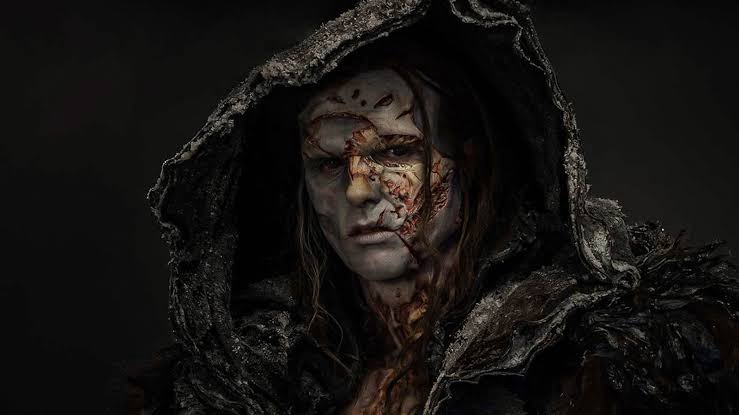
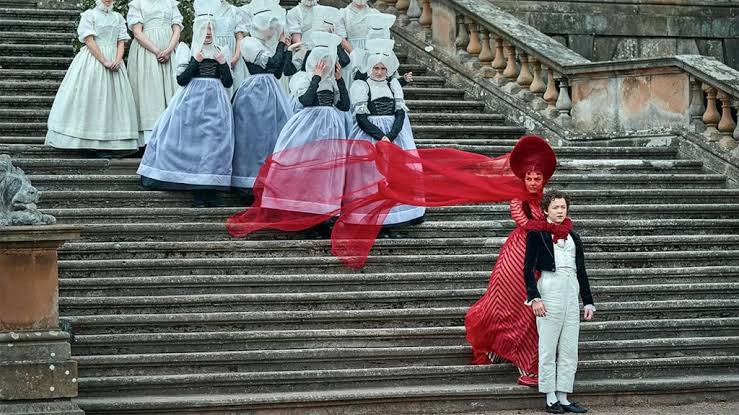
Unsurprisingly, the film is visually striking. Del Toro’s preference for practical effects and physical sets gives the world weight and texture, grounding the fantastical elements in something that feels tangible. The costuming is also exquisite, especially Mia Goth’s vivid veils that inject a dramatic gothic flourish.
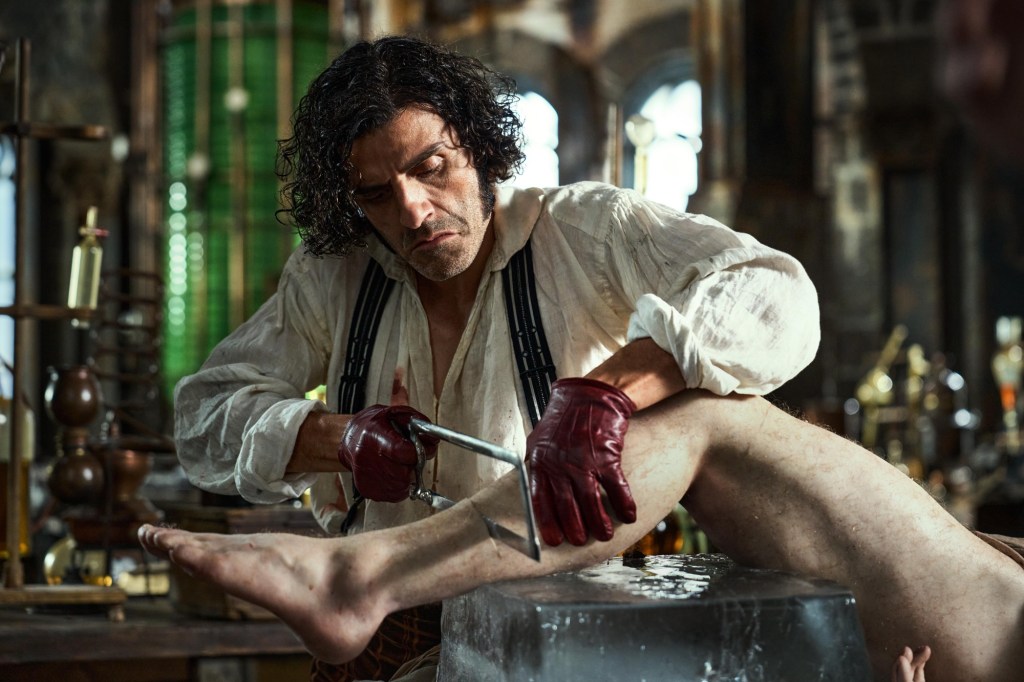
While the film is not conventionally frightening, it features several grisly moments. The creature’s strength is immense and he can easily scalp a wolf, rip off someone’s jaw or throw them like a ragdoll. The scenes surrounding creation are graphic, involving hangings, dissection and the harvesting of limbs. Victor’s approach to sourcing body parts, including inspecting the condemned before execution highlights his emotional detachment. Isaac’s performance is so controlled and detached that the cruelty lands with real force.
Del Toro has said this film is deeply personal and something he has wanted to make for over two decades. It is clearly a passion project and a successful one. In a cinema landscape crowded with remakes, Frankenstein feels purposeful rather than opportunistic. It avoids the familiar lines and images we might expect and instead questions what it is to be human.

As a gothic classic, its pacing is sometimes on the slower side and its tone is sombre, which may not appeal to every viewer, but its themes of ambition, grief and compassion feel as relevant now as ever. It leaves the audience with something to consider.
★★★½ (3.5/5)
 Rhiann’s Reels