

In one sentence: Dear Frankie follows a mother who writes letters to her son, pretending to be his absent father and the fragile situation that unfolds when she asks a stranger to play the role.
Romantic dramas can sometimes feel predictable, but Dear Frankie has a softness and sincerity that makes it stand out. It is a small film with a deep emotional pull.
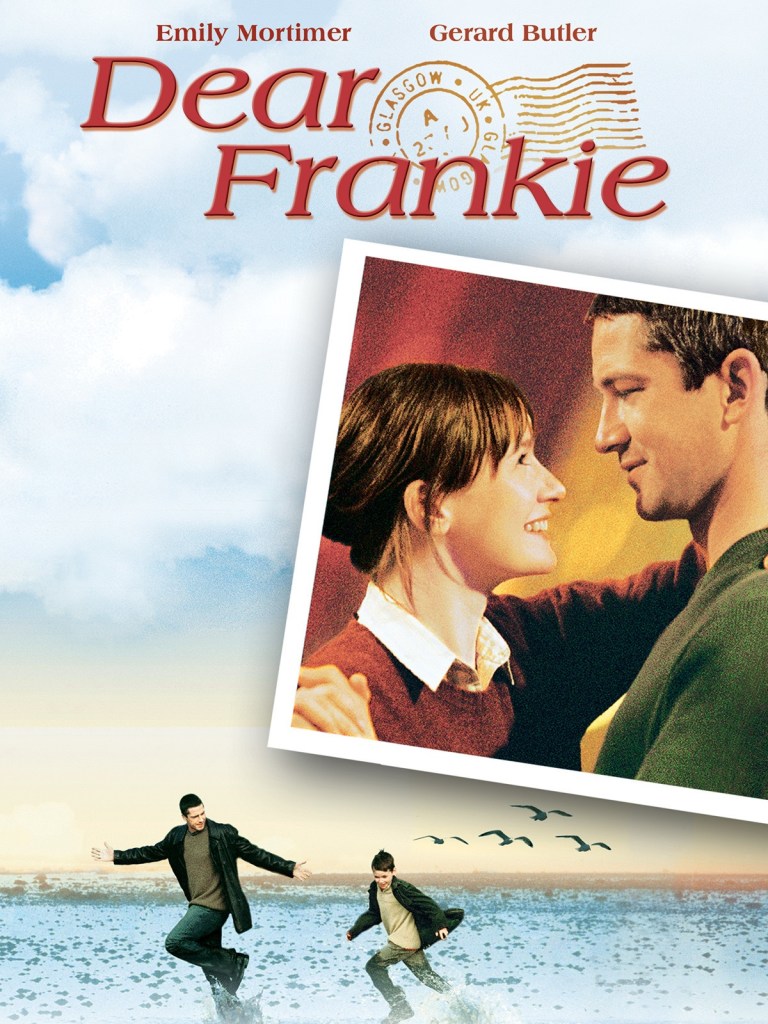
Released in 2004 and starring Emily Mortimer, Gerard Butler and Jack McElhone, this Scottish film captured my heart when I first saw it in the cinema and I remain very fond of it today.
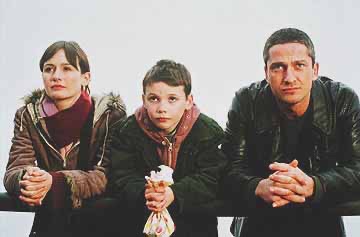
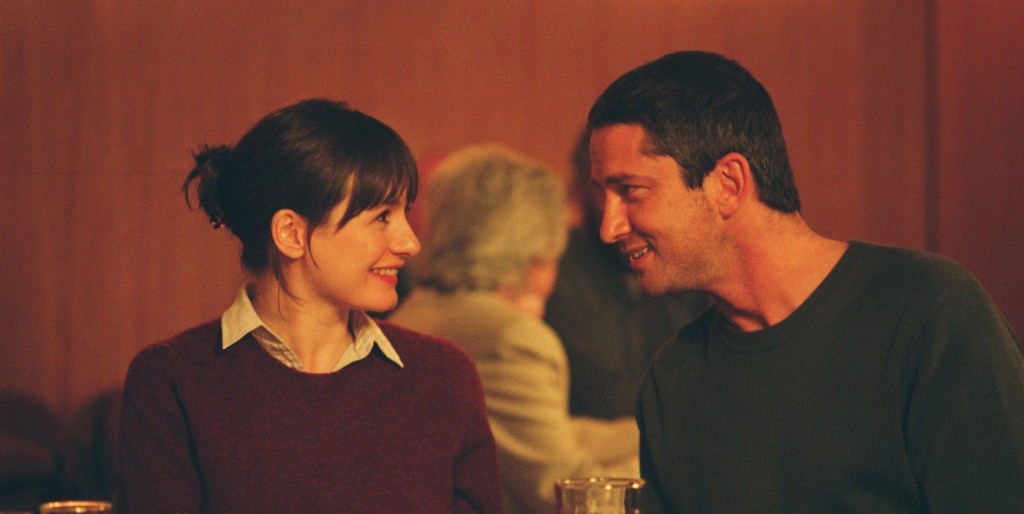
The story follows Lizzie (Emily Mortimer) and her deaf son, Frankie (Jack McElhone), who are constantly on the move, fleeing Lizzie’s abusive husband. Frankie is unaware of the real reason they relocate so often. He believes his father is away serving in the Navy. Lizzie maintains this illusion by writing letters to Frankie as his father. When Frankie is told by a classmate that the ship his dad supposedly works on is due to dock nearby, he makes a bet to bring him to their football trials. Realising that the lie is now dangerously close to reality, Lizzie hires a stranger to play the role of Frankie’s father.
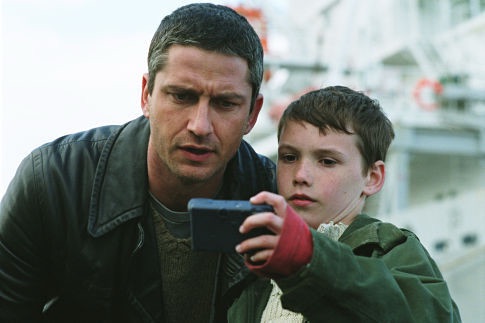
Enter Gerard Butler in one of his most understated and poignant performances. Long before the action-heavy roles that have come to define his career, he brings depth and mystery that makes the film feel grounded. He was my teenage crush because of this film (and The Phantom of the Opera), and returning to Dear Frankie now, I can see exactly why.
This was Shona Auerbach’s directorial debut, premiering at Cannes to a fifteen-minute standing ovation. The film could so easily have been saccharine, but Auerbach avoids sentimentality by creating a very real depiction of the world. She allows silence to speak, most memorably in a long, wordless exchange between Mortimer and Butler, the kind of scene that trusts the audience completely.

Though the film touches on domestic abuse, it does so with sensitivity and restraint. We are given just enough to understand the danger Lizzie and Frankie are escaping, without being shown the violence itself. I have always questioned Lizzie’s decision to write as Frankie’s father. Protecting his innocence may have been her intention, but the lie also creates distance between them, a wound made of love and fear.
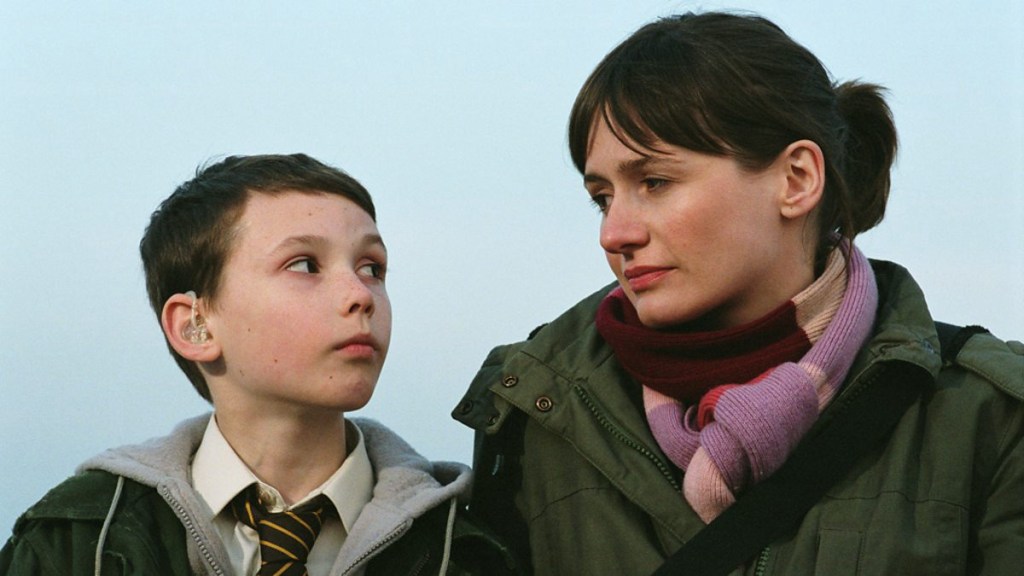
Jack McElhone gives a remarkable performance as Frankie. He does not speak or sign, but through expression, gestures and the voiceovers of his letters, he conveys everything we need to know. He is not deaf in real life, but it is clear the film worked carefully to portray Frankie’s world with authenticity and respect.

Dear Frankie is not glamorous, nor does it offer the neat closure of Hollywood romances. Its ending is quieter, gentler and more European in style. Yet, I think it is a film that could be universally appreciated. With strong performances, moral complexity and a beautifully grounded aesthetic, it is a romantic drama that subverts expectations.
It seems to have slipped under the radar as I rarely meet anyone who has seen it. What a shame. It is the kind of film that stays with you, not for its spectacle, but for its sincerity.
★★★★½ (4.5/5)
 Rhiann’s Reels