
In one sentence: Touch follows Kristófer, an elderly widower who, after difficult medical news as the Covid pandemic begins, travels to London to search for his long-lost love, Miko.
In a cinematic landscape crowded with sequels, prequels and remakes, it is easy to feel disheartened by the lack of originality. Then, every so often, a film comes along that restores your faith in storytelling. Touch is one of those rare gems, a gentle yet sweeping love story that bridges cultures and generations.
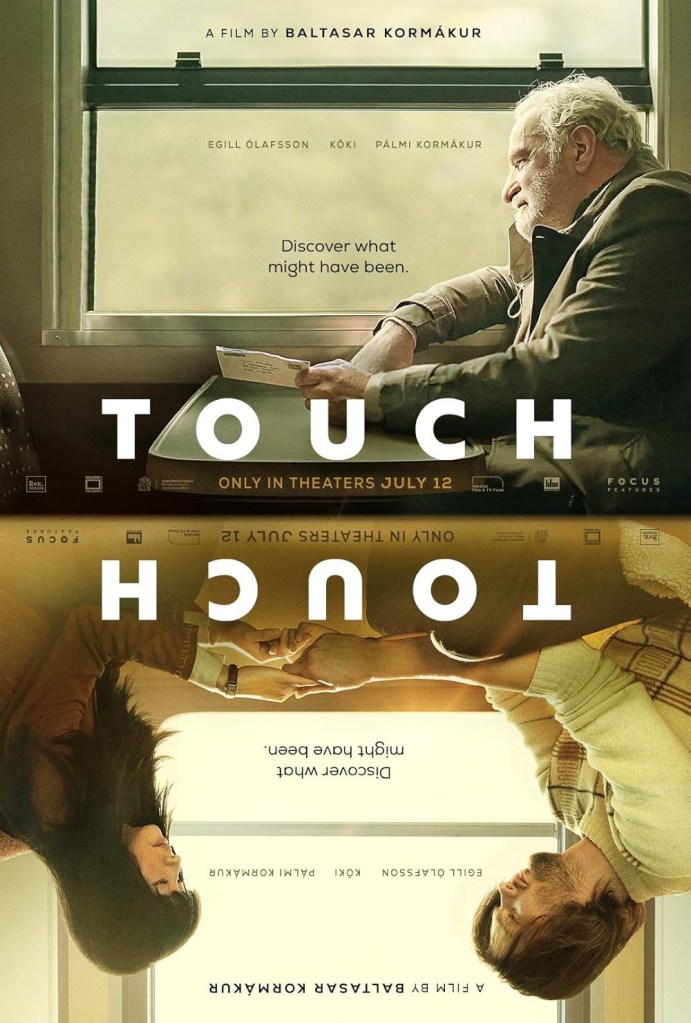
Based on the novel by Ólafur Jóhann Ólafsson, the Icelandic writer and businessman who, rather astonishingly, helped lead the creation of the PlayStation console, Touch showcases the range of his creative mind. The adaptation is directed by fellow Icelander Baltasar Kormákur, best known for 2 Guns and Idris Elba lion flick, Beast. This marks a striking change in tone for Kormákur, a more intimate, emotional piece. He reportedly secured the rights to the book soon after receiving it as a Christmas gift from his daughter, and it is clear the story resonated deeply.

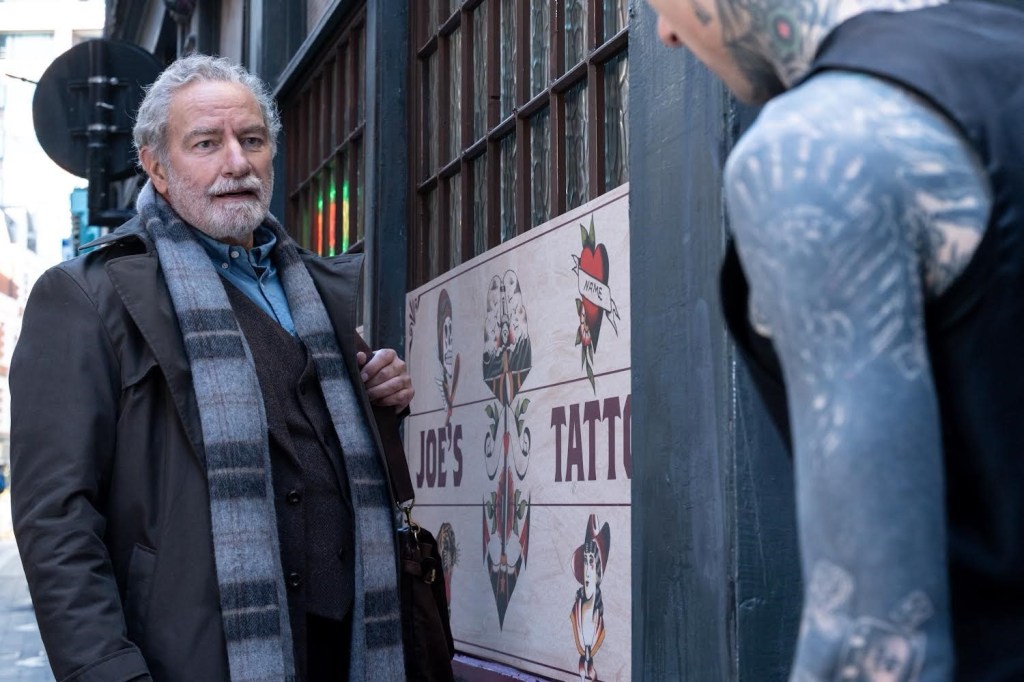
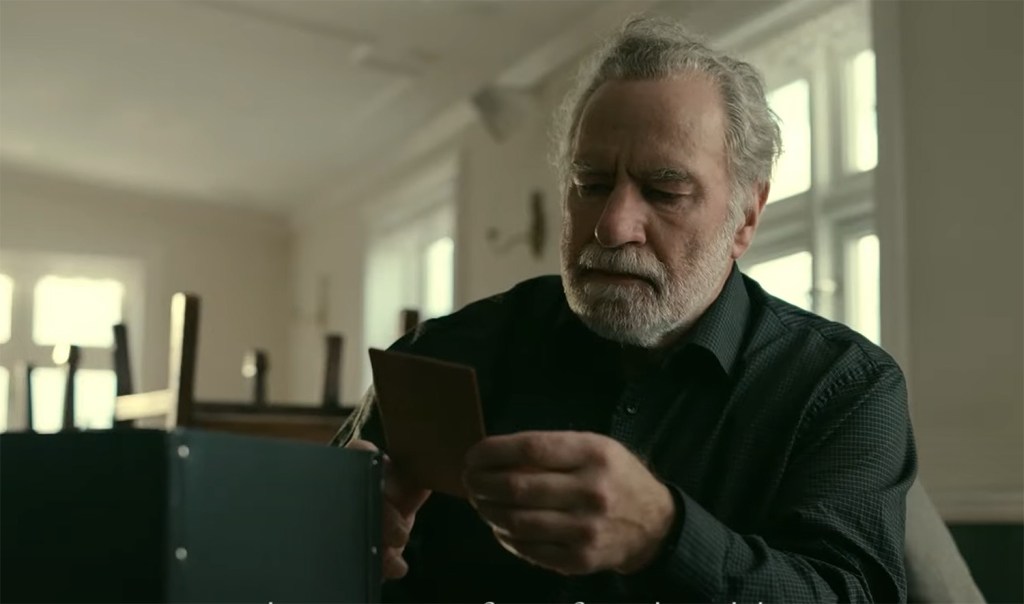
The film opens in Iceland, captured in cool tones and breathtaking landscapes. Kristófer (played with stoic dignity by singer-songwriter Egill Ólafsson) is an elderly widower who receives difficult medical news and is urged to settle his affairs. Knowing exactly what unfinished business remains, he sets out for London as the world begins to shut down; it is the start of the Covid pandemic. With little to lose, Kristófer decides to search for his long-lost love.
From there, Touch moves fluidly between present and past, transporting us to 1960s London bathed in warm, nostalgic light. We meet the younger Kristófer, played beautifully by Palmi Kormákur, the director’s son. While the family connection might raise eyebrows, Palmi reportedly auditioned without his father’s knowledge, and any doubts vanish once you see his performance. He brings a gentle stillness and sincerity to the role that endears the audience to his character.
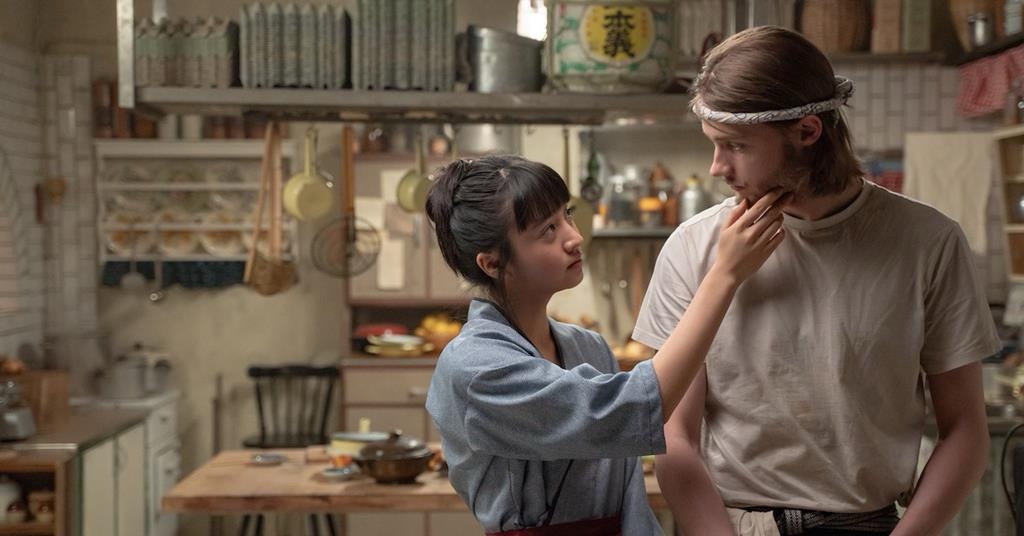
Young Kristófer, a politically engaged student, stumbles into a Japanese restaurant seeking work and meets Miko, the owner’s daughter. What follows is an instant and life-altering connection, the kind of love that transforms everything. The chemistry between the two is understated but deeply felt, and the film’s non-linear structure allows their story to unfold with tenderness and inevitability.

It might feel early for a film to weave Covid into its narrative, but here it serves a meaningful purpose. With the pandemic still fresh in our collective memory, Kristófer’s willingness to risk everything for connection feels particularly poignant.
Though Touch is, at its heart, a love story, it is layered with history, cultural nuance and profound sadness. As the story unfolds, we learn that Miko is from Hiroshima, a revelation that deepens the film’s emotional weight. Themes of war and its long lasting trauma give the romance a haunting undercurrent.
The film asks whether we ever truly move on from our first love, though it also raises a concern with the audience for Kristófer of whether first love can sometimes be more about memory and nostalgia than reality. We see the story primarily through Kristófer’s eyes, and while more of Miko’s perspective could have added depth, her mystery gives the film its lingering sense of yearning.
Food plays a significant symbolic role throughout, serving as a bridge between cultures and a quiet expression of intimacy. One of the film’s most moving scenes shows Kristófer preparing a Japanese breakfast for Miko, a simple, delicate act that says more than words ever could.
The title Touch is perfect, carrying multiple layers of meaning. During the pandemic, we were reminded of how vital physical touch is, yet here it also represents emotional contact, the reaching out across time, culture and distance. The film itself also touches its audience. It is a story about connection, memory, and the courage to reach for what was once lost.
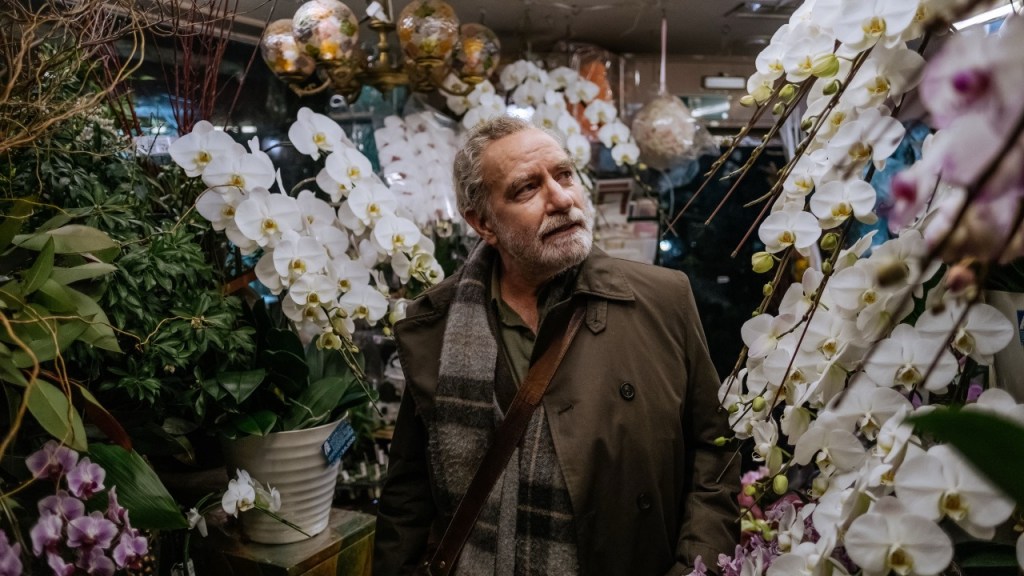
Touch is tender, evocative and quietly profound. Beautifully acted and steeped in cultural richness, it is a story that touches not only the heart but something deeper; our longing to connect.
★★★★★ (5/5)
 Rhiann’s Reels